
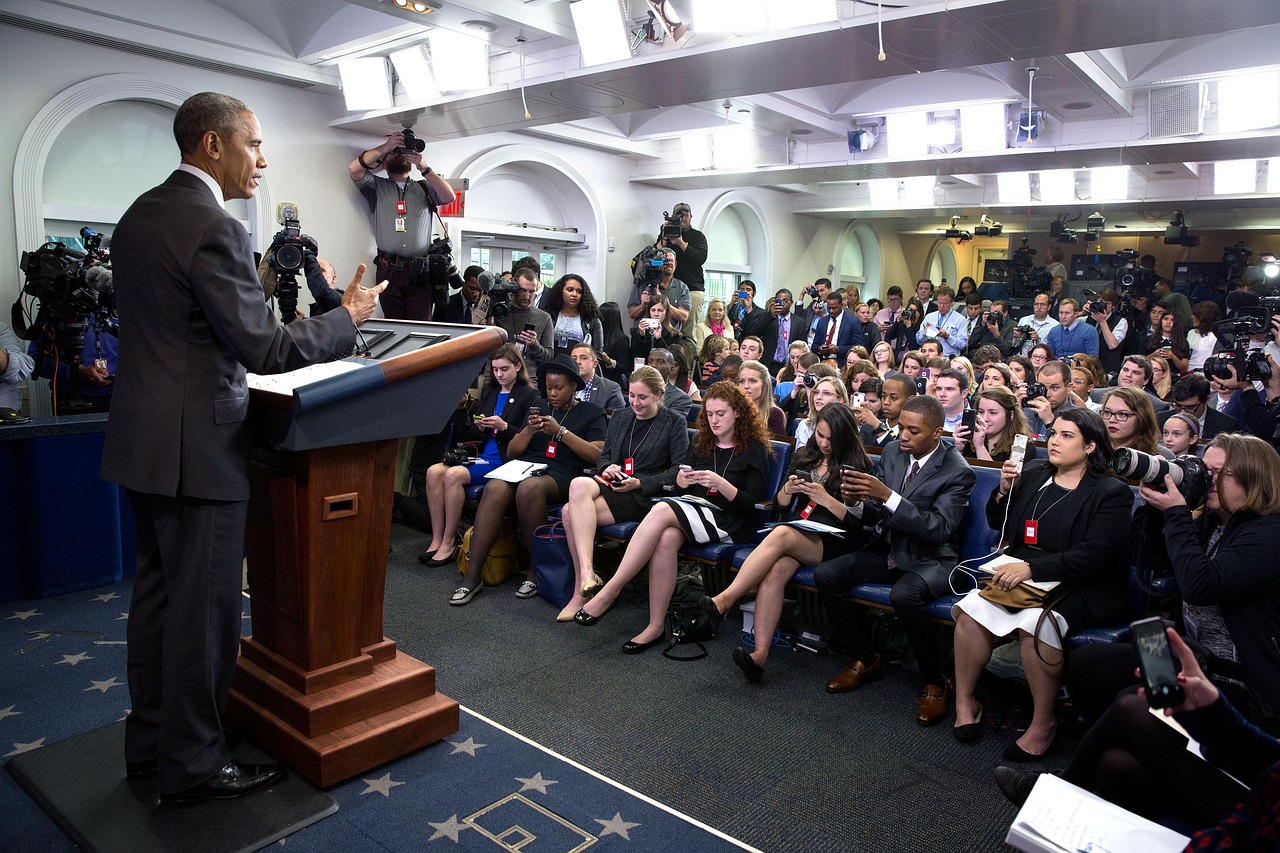
FIFA President Gianni Infantino addressed international media on Tuesday, defending the governing body’s decision to permit high ticket prices and secondary market markups for the 2026 World Cup. Speaking from a briefing, Infantino argued that football’s global governing body is strategically and legally obligated to operate within the existing regulatory frameworks of the United States, where resale laws allow tickets to be sold for thousands of dollars above their original face value. The move comes as FIFA prepares for its most lucrative tournament cycle to date, spanning the United States, Canada, and Mexico.
Navigating the North American Market
The 2026 World Cup represents a significant shift in how FIFA manages its commercial operations, primarily due to the unique legal landscape of the host nations. Unlike previous host countries such as Qatar or Russia, where the government and FIFA could exert tighter control over secondary sales through strict legislation, the United States offers a more laissez-faire environment for ticket reselling. Infantino emphasized that FIFA must “take advantage” of these laws rather than fight against a tide of established market practices that define the American sporting experience.
In many European jurisdictions, the resale of football tickets for profit is a criminal offense or strictly regulated to protect local supporters. However, in the U.S., the secondary market is a multibillion-dollar industry protected by a patchwork of state laws and federal guidelines like the BOTS Act, which focuses on automated software rather than price caps. By aligning with these standards, FIFA signals a pivot toward a more commercialized model that mirrors the pricing structures of the NFL or the NBA.
Financial Targets and Revenue Obligations
Underpinning this defense of high ticket prices is FIFA’s ambitious financial roadmap. The organization has set a revenue target of $11 billion for the 2023-2026 cycle, a nearly 50% increase from the $7.5 billion generated during the Qatar 2022 period. Infantino noted that maximizing revenue is not merely a choice but an obligation to FIFA’s 211 member associations, which rely on these funds for football development programs worldwide.
Ticketing and hospitality are expected to be the primary drivers of this growth. With the tournament expanding to 48 teams and 104 matches, the sheer volume of inventory is unprecedented. However, the decision to allow the secondary market to dictate final prices suggests that the “get-in” price for matches in major cities like New York, Los Angeles, and Miami could reach levels never before seen in the history of the sport.
The Secondary Market Controversy
The secondary market has long been a point of contention for football purists who argue that the World Cup should remain accessible to the global working class. Critics of Infantino’s latest stance argue that by embracing U.S. resale markups, FIFA is effectively pricing out the very fans who provide the tournament with its unique atmosphere. In previous tournaments, FIFA operated its own official resale platform, attempting to cap markups at 10% to ensure fairness.
Infantino’s defense suggests a resignation to the reality that in a high-demand environment like the U.S., a black market or gray market is inevitable. By acknowledging and utilizing the legal resale infrastructure, FIFA may be attempting to ensure that the revenue generated from these markups remains within the regulated financial ecosystem rather than being lost to untraceable street-side scalping, even if it means higher costs for the end consumer.
Expert Analysis and Economic Impact
Sports economists suggest that the 2026 World Cup will likely be the most expensive sporting event in history for traveling fans. Data from previous major U.S.-based events, such as the Super Bowl or the Formula 1 Las Vegas Grand Prix, show that secondary market prices can fluctuate by over 400% in the weeks leading up to the event. Analysts predict that for a World Cup final at MetLife Stadium, resale prices could easily exceed $10,000 per seat.
Consumer advocacy groups have expressed concern that this approach prioritizes corporate hospitality and high-net-worth individuals over the traditional fan base. There is a growing fear that the “gentrification” of the stands will lead to a sterilized atmosphere, a critique that was also leveled at the tournament in Qatar, though for different socio-economic reasons. FIFA, however, maintains that the revenue generated will ultimately benefit the sport’s global growth.
Strategic Shift in Global Sports
This policy shift reflects a broader trend in global sports where organizations are increasingly looking to the U.S. market for monetization strategies. From the expansion of the Club World Cup to the pursuit of American media rights, FIFA is leaning into the high-spending capacity of the North American consumer. Infantino’s comments indicate that the governing body sees the U.S. legal framework not as a hurdle, but as a blueprint for future commercial success.
For the industry, this means that the 2026 World Cup will serve as a massive experiment in dynamic and secondary-market pricing for a global event. If successful from a revenue standpoint, it could encourage other international federations to adopt similar stances when hosting events in regions with relaxed resale regulations. The traditional model of fixed-price, lottery-based ticket distribution may be slowly giving way to a more fluid, market-responsive system.
As the ticket sales windows approach, fans and regulators will be watching to see if FIFA introduces any internal safeguards to mitigate the most extreme examples of price gouging. The governing body has yet to release the full details of its official 2026 ticketing platform, but the precedent set by Infantino’s defense suggests a hands-off approach to the secondary market. The coming months will reveal whether the global football community accepts this new economic reality or if the backlash from fans will force a recalibration of FIFA’s commercial strategy before the first whistle blows in June 2026.


