
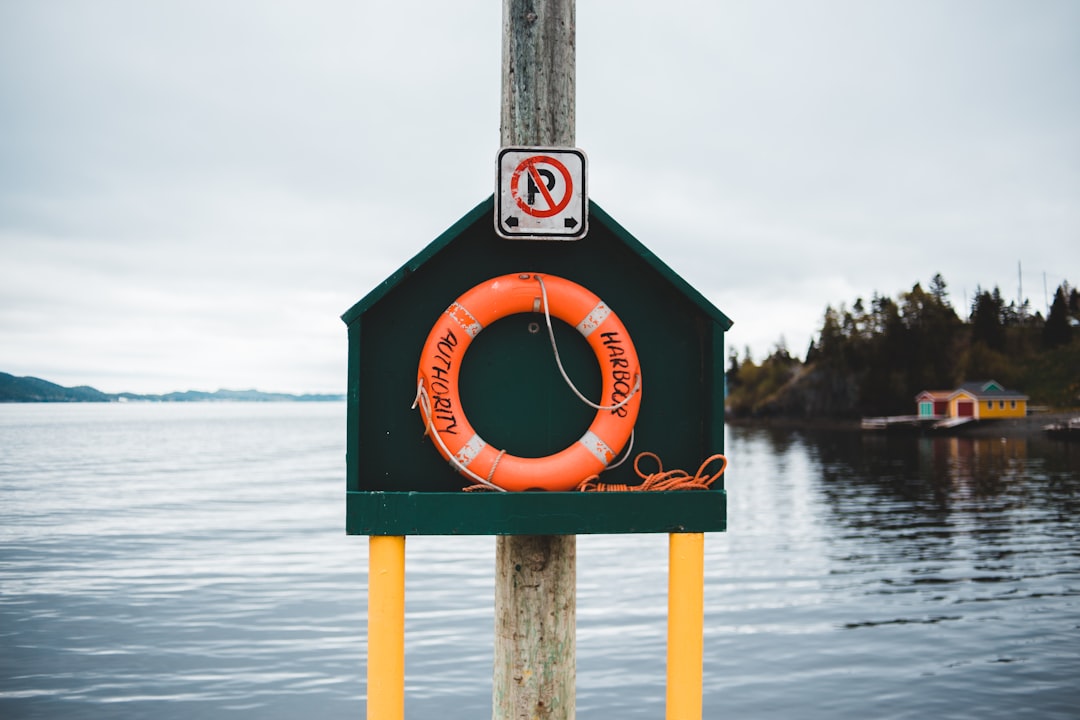
Calgary emergency services responded to a fatal drowning involving a 12-year-old boy at Lake Mahogany this week, marking the latest in a series of water-related tragedies in the region. The victim, who had recently immigrated to Canada with his family, was recovered from the private community lake following an extensive search-and-rescue operation. This incident has reignited intense public debate regarding safety protocols, lifeguard presence, and the unique risks faced by newcomers at Calgary’s man-made residential lakes.
Context of Private Lake Management
Lake Mahogany is one of several man-made, resident-only lakes in Calgary managed by private Homeowners Associations (HOAs). These bodies of water serve as the centerpieces of their respective communities, offering swimming, boating, and fishing opportunities to residents who pay annual fees. Unlike public municipal pools or provincial park beaches, these private lakes often operate under a “swim at your own risk” policy, which places the onus of safety primarily on the individuals and families using the facilities.
While many of these lakes have gated access and security personnel to check memberships, the presence of certified lifeguards is not a universal requirement. This regulatory gap has become a focal point for safety advocates who argue that the scale and depth of these man-made lakes require the same level of professional oversight as public aquatic centers. The Mahogany incident is the second major drowning in a Calgary community lake this season, fueling concerns that current self-regulation models are insufficient.
Details of the Mahogany Incident
Witnesses reported that the youth was enjoying the water with peers before disappearing beneath the surface on a busy afternoon. Emergency crews, including the Calgary Fire Department’s specialized aquatic rescue team and EMS, arrived shortly after the call was placed. Divers were deployed into the murky depths of the lake, eventually locating the boy and bringing him to shore where paramedics attempted life-saving measures.
Despite the rapid response, the boy was declared deceased, leaving the community in a state of shock. The family’s status as recent immigrants has added a layer of tragedy to the event, as they had moved to the city seeking a better life and a safe environment for their children. Local community groups have since mobilized to support the family, while simultaneously demanding answers from the HOA regarding the lack of active supervision on the beach.
Vulnerability of Newcomers to Water Risks
Data from the Lifesaving Society of Canada indicates that new immigrants are often at a disproportionately higher risk of drowning compared to Canadian-born residents. Many newcomers arrive from regions where recreational swimming is not a common pastime or where formal water safety education is largely unavailable. This lack of exposure can lead to a misunderstanding of how quickly a situation can turn fatal in open water.
According to the Society’s research, people who have lived in Canada for less than five years are four times more likely to be unable to swim than those born in Canada. Furthermore, the cold temperatures of Alberta’s lakes, even in mid-summer, can trigger cold-water shock. This physiological response can cause gasping and incapacitation within seconds, making it nearly impossible for an inexperienced swimmer to stay afloat or call for help.
The Push for Enhanced Safety Measures
In the wake of the Lake Mahogany drowning, safety advocates and local residents are calling for mandatory safety enhancements across all private community lakes. Proposed measures include the installation of more visible emergency signage in multiple languages and the mandatory provision of lifejackets for all minors entering the water. Some residents have even suggested that HOAs should be legally required to staff beaches with lifeguards during peak summer hours, regardless of the associated costs.
Critics of the current system argue that the “private” designation of these lakes allows developers and associations to bypass the rigorous safety standards applied to public beaches. While HOAs often cite insurance costs and liability concerns as hurdles to hiring professional rescue staff, the recent string of fatalities is shifting the conversation toward the moral and social obligations of community developers. There is a growing sentiment that if a community is marketed based on its lake access, that access must be fundamentally safe.
Expert Perspectives and Technical Challenges
Water safety experts point out that man-made lakes present unique challenges for rescue operations. Unlike swimming pools, these lakes often have poor visibility due to silt and algae, making it difficult for bystanders or even trained rescuers to spot a submerged person. The depth can also drop off sharply just a few meters from the shore, catching unsuspecting swimmers off guard.
“Active supervision is the only true defense against drowning, but in a crowded lake environment, that is a massive challenge for parents alone,” says one regional safety consultant. They emphasize that secondary layers of protection—such as perimeter fencing, loaner lifejacket stations, and emergency call boxes—are essential components of a modern water safety strategy. The Lifesaving Society continues to advocate for the “Swim to Survive” standard, which teaches the minimum skills needed to survive an unexpected fall into deep water.
Implications and Future Outlook
Moving forward, the City of Calgary and provincial authorities may face increased pressure to review the regulations governing private recreational waters. Stakeholders are watching to see if the provincial government will introduce legislation that mandates specific safety equipment or lifeguard staffing for any body of water used for public or semi-public recreation. Insurance providers may also play a role, potentially raising premiums for HOAs that do not meet new, more stringent safety benchmarks.
The Mahogany Homeowners Association is expected to conduct an internal review of the incident, which could set a precedent for how other communities like Auburn Bay and Lake Chaparral manage their waterfronts. In the coming months, expect a renewed focus on community-led water safety workshops, particularly those tailored for immigrant populations. The success of these programs will be measured by their ability to reach vulnerable families before the next summer season begins.


