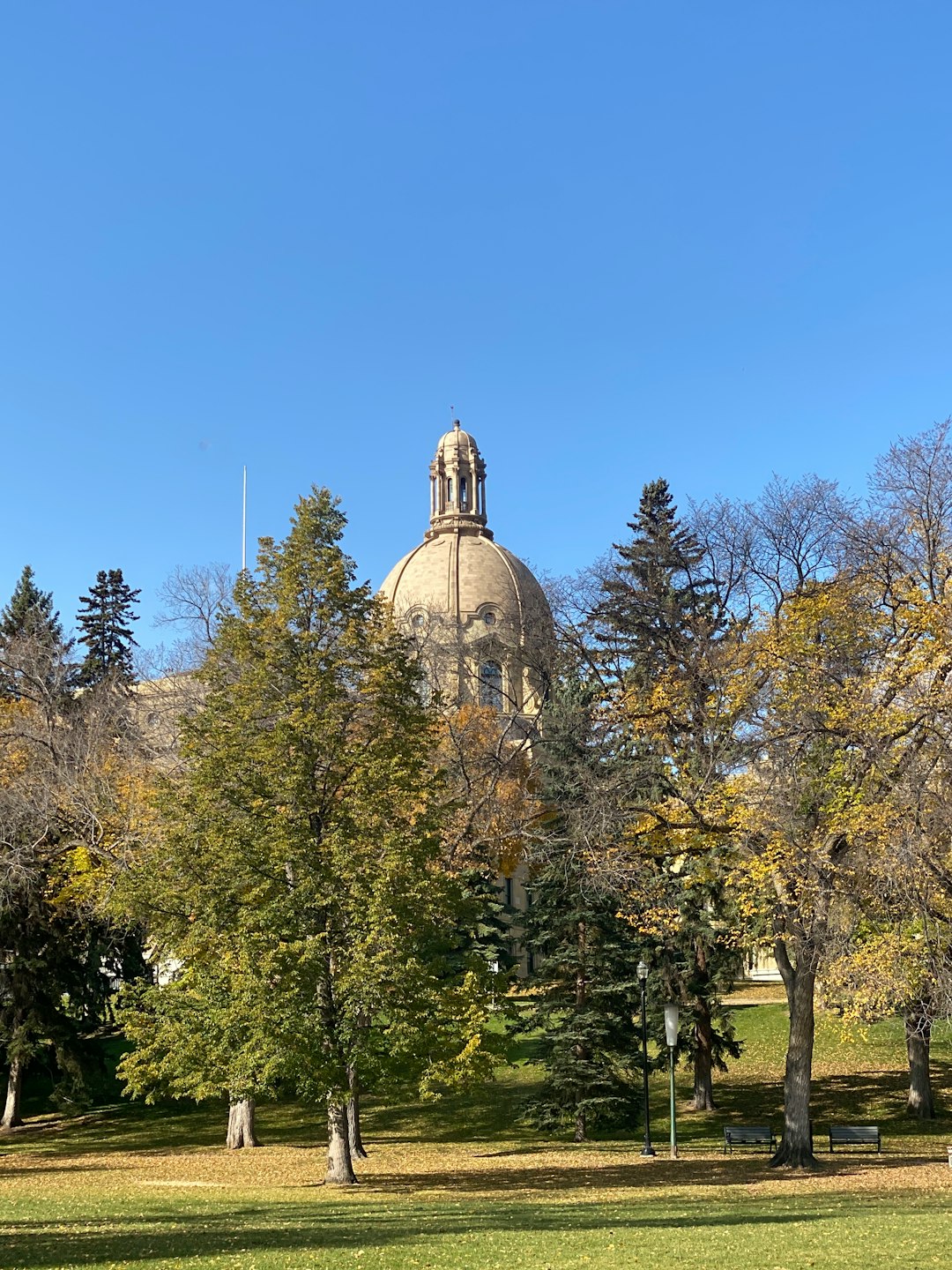
Premier Danielle Smith criticized the Alberta NDP this week for failing to immediately notify the provincial government of a significant privacy leak involving the provincial voter list, while the Opposition defended their silence by citing concerns over potential interference with a police investigation. The clash, which unfolded in the Alberta Legislature in Edmonton, centers on allegations that sensitive data was compromised and potentially accessed by third-party groups, including the separatist-leaning Centurion Project. Smith argues that the delay in communication hindered the government’s ability to secure the data, while the NDP claims they withheld information to prevent the United Conservative Party (UCP) from tipping off individuals under investigation.
The Mechanics of the Alberta Voter List
The provincial voter list is a restricted database maintained by Elections Alberta, containing the names, residential addresses, and mailing addresses of millions of eligible voters. Under the Election Act, this data is shared with registered political parties for the sole purpose of campaigning and voter outreach, subject to strict privacy protocols. Any unauthorized access or distribution of this data constitutes a major breach of provincial law and triggers mandatory reporting requirements to the Office of the Information and Privacy Commissioner (OIPC).
The current controversy stems from a leak where this data allegedly moved beyond the internal systems of the political parties into the hands of outside actors. For Albertans, the breach raises questions about how their personal information is shielded from partisan exploitation or extremist groups. Security experts note that voter lists are high-value targets for groups looking to build targeted influence campaigns or conduct detailed demographic mapping without legal oversight.
Partisan Tensions and Allegations of Interference
The NDP’s decision to bypass the Premier’s office when the leak was first identified has become the focal point of the political fallout. Opposition leaders stated they feared the UCP government was “embedded with the separatists,” specifically referencing The Centurion Project. They argued that informing the government would have risked a “tip-off” that could have compromised an ongoing police investigation into the group’s activities and their acquisition of the data. This high-stakes accusation suggests a profound lack of trust between the two primary political factions in the province.
Premier Smith countered this narrative by emphasizing that the government has a duty to protect all Albertans’ data, regardless of political affiliation. She argued that the NDP’s silence allowed the security vulnerability to persist longer than necessary. “If there is a breach of Albertans’ private information, the government needs to know so we can take action to protect the public,” Smith stated during a press conference. The UCP has dismissed the NDP’s claims of being embedded with separatists as a “conspiratorial” distraction from the NDP’s own handling of the data.
Expert Perspectives on Privacy and Law Enforcement
Legal and privacy experts are divided on the appropriate protocol for such a breach. While the OIPC requires organizations to report breaches that pose a “real risk of significant harm,” the timeline for informing political rivals is not explicitly codified. “The primary obligation is to the regulator and the affected individuals,” says Marcus Thorne, a digital privacy consultant. “However, in a government setting, the failure to communicate a systemic vulnerability to the sitting administration can be viewed as a lapse in institutional responsibility, even if the motives are related to an active investigation.”
Data from the OIPC suggests that privacy breaches in the public sector have risen by 15% over the last three years, with unauthorized access being the leading cause. The Alberta voter list incident highlights a growing trend where political data becomes a weapon in broader ideological conflicts. Security analysts suggest that the decentralized way parties handle this data—often using third-party software and volunteer access—creates multiple points of failure that are difficult to monitor in real-time.
Legislative and Institutional Implications
This incident is likely to trigger a review of how the Election Act governs the sharing of data with political parties. There are growing calls for more stringent auditing of how parties store and use voter information. If parties cannot guarantee the security of the data provided by Elections Alberta, they may face restricted access in future cycles. This would fundamentally change how political campaigns are run in the province, forcing a shift away from data-driven micro-targeting toward more traditional, broad-based outreach.
Furthermore, the rhetoric surrounding “separatists” and “embedded” officials signals a deepening polarization that could impact legislative cooperation. When the security of public data becomes a tool for partisan maneuvering, the underlying trust in democratic institutions is eroded. Observers note that the focus has shifted from the technical failure that allowed the leak to the political motivations of those who discovered it, potentially leaving the original security flaw unaddressed in the public discourse.
Looking Ahead: Accountability and Oversight
The immediate next step involves a formal investigation by the Information and Privacy Commissioner to determine the scope of the leak and whether the NDP or UCP violated any provincial statutes. The results of this inquiry will likely dictate whether any administrative penalties are issued or if the matter will transition fully into a criminal investigation. Albertans are waiting to see if the police will confirm the NDP’s concerns regarding the Centurion Project or if the investigation will reveal a different source for the breach.
As the province moves toward future elections, the security of the voter list will remain a high-priority issue. Watch for potential legislative amendments that could mandate immediate cross-party notification of data breaches, regardless of ongoing investigations. The outcome of this dispute will set a precedent for how privacy, police integrity, and political transparency are balanced in the digital age, with the security of personal information hanging in the balance.