Iranian leadership began formal deliberations on Wednesday regarding a new United States proposal designed to reopen the Strait of Hormuz and conclude a volatile military standoff. The diplomatic overture comes as President Donald Trump seeks an immediate resolution to a conflict that has significantly inflated global energy prices and created a challenging political environment ahead of domestic milestones. The proposal aims to establish a secure maritime corridor through the world’s most critical oil chokepoint, potentially ending weeks of naval skirmishes and tanker seizures.
Geopolitical and Economic Context
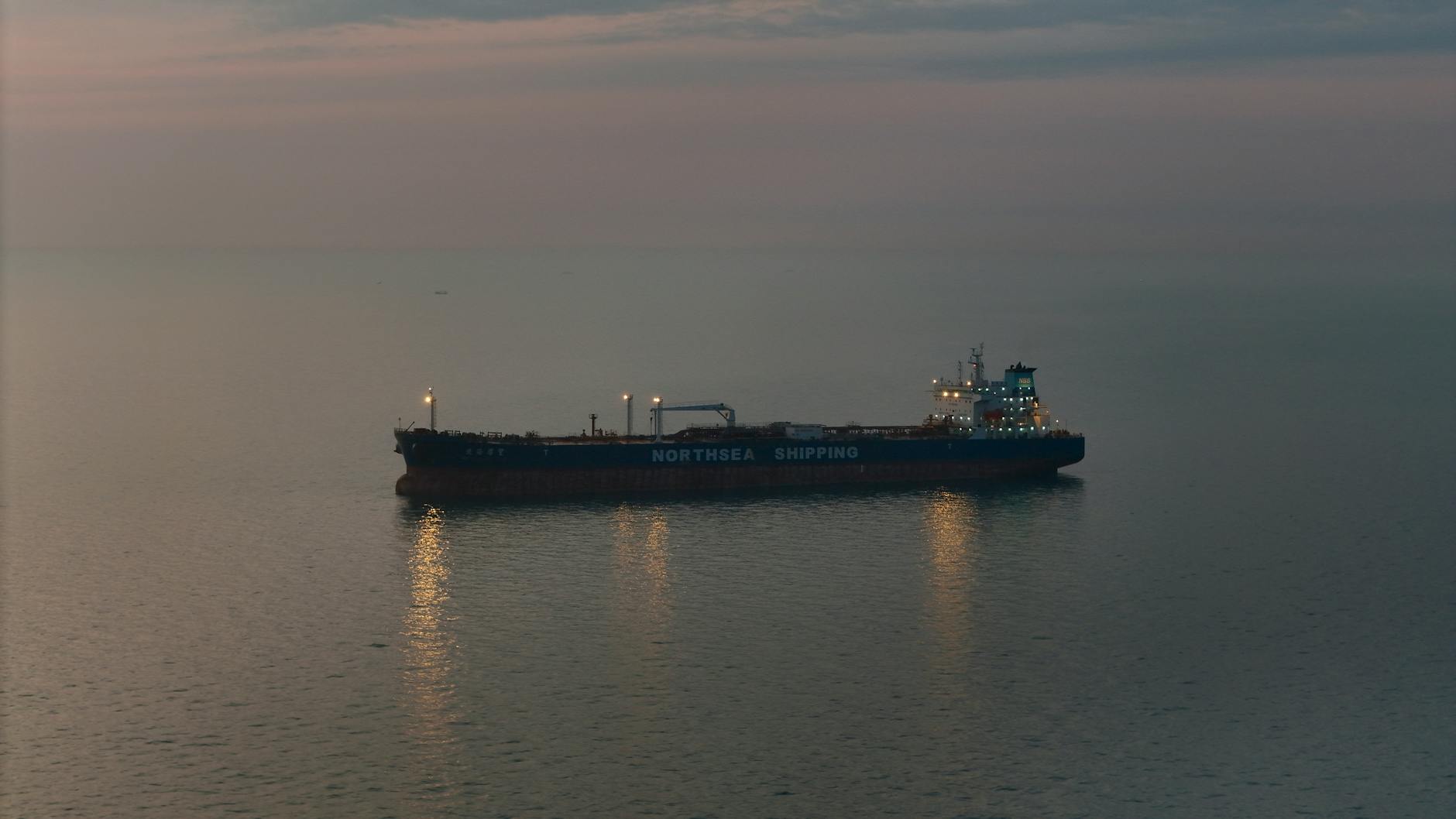
The Strait of Hormuz serves as the world’s most vital energy artery, with nearly 21 million barrels of oil passing through the narrow waterway daily, according to the U.S. Energy Information Administration (EIA). This volume represents approximately 21% of global petroleum liquids consumption, making the passage essential for the stability of international markets. Recent hostilities have led to a partial blockade and a sharp increase in maritime insurance premiums, causing a ripple effect across international shipping lanes.
Historically, the Strait has been a flashpoint for regional tension, but the current escalation has reached levels not seen in decades. The closure of the waterway, even partially, forces tankers to take longer, more expensive routes around the Cape of Good Hope, adding weeks to delivery times and millions of dollars in operational costs. This logistical strain has directly contributed to a 15% spike in Brent crude prices over the last quarter.
Details of the De-escalation Proposal
The latest proposal from Washington suggests a phased withdrawal of naval assets and a mutual commitment to non-interference with commercial vessels. Sources close to the negotiations indicate that the U.S. is offering specific, limited sanctions relief in exchange for a guaranteed cessation of hostilities in the Persian Gulf. The plan involves the establishment of a joint monitoring task force, potentially involving neutral third parties like Oman or Switzerland, to oversee the safety of the passage.
Tehran’s response remains cautious as the Supreme National Security Council reviews the technicalities of the American offer. Iranian officials have previously demanded the full lifting of oil export sanctions as a prerequisite for any permanent maritime agreement. However, the current proposal suggests a middle ground that would allow for humanitarian trade and limited energy exports to specific Asian markets in exchange for regional stability.
Domestic Pressures and Energy Markets
President Trump’s push for an exit from the conflict is largely driven by domestic economic indicators. Average U.S. gasoline prices have climbed toward $4.50 per gallon in several states, a threshold that historically correlates with declining consumer confidence and lower presidential approval ratings. With a heavy legislative calendar and upcoming political cycles, the administration is prioritizing the stabilization of the energy sector to prevent a broader economic slowdown.
Active voice from the White House suggests a pivot toward a “maximum diplomacy” approach to prevent further economic strain. Administration officials have spent the week briefing congressional leaders on the necessity of the deal, emphasizing that a prolonged conflict in the Gulf could trigger a global recession. The shift in tone reflects a realization that military solutions in the region carry prohibitive economic costs for American taxpayers.
Expert Perspectives and Market Data
Financial analysts at Goldman Sachs and Morgan Stanley suggest that a successful reopening of the Strait could lead to an immediate $10 to $12 drop in crude oil prices per barrel. This correction would offer significant relief to global manufacturers and transport companies currently struggling with high fuel surcharges. “The market has priced in a ‘conflict premium’ that is currently suffocating the global recovery,” noted one senior energy analyst at the IEA.
Geopolitical experts warn that while the proposal is a positive step, trust remains at a historic low between the two nations. Dr. Elena Rossi, a fellow at the Center for Strategic and International Studies, points out that any agreement must include robust verification mechanisms. Without clear protocols for vessel inspections and naval distancing, the risk of a miscalculation remains high, potentially leading to a renewed outbreak of violence.
Implications for Global Trade
For the shipping industry, a resolution would mean a return to predictable schedules and lower risk ratings from Lloyd’s of London. This would lower the cost of goods ranging from consumer electronics to agricultural products, as the price of maritime transport influences the entire global supply chain. For regional powers like Saudi Arabia and the United Arab Emirates, a stabilized Strait is essential for the execution of their long-term economic diversification plans.
Observers are now monitoring the Iranian Revolutionary Guard’s reaction to the diplomatic track, as internal political divisions in Tehran could still derail the agreement. The coming days will determine if the Strait returns to its status as a neutral zone or remains a flashpoint for global conflict. Market participants should watch for a formal statement from the Iranian Foreign Ministry, as any sign of acceptance will likely trigger a massive sell-off in the energy futures market and a rally in global equities.