
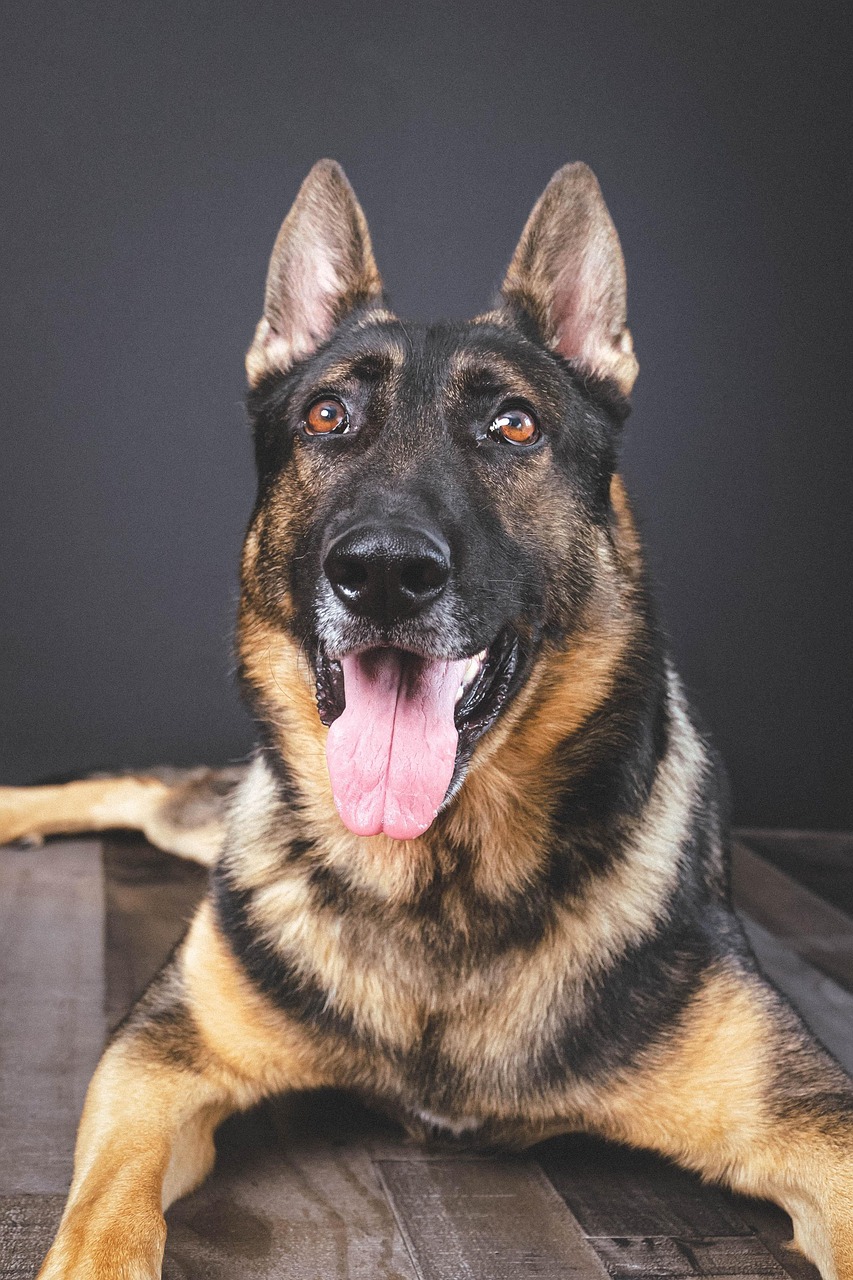
The Alberta Serious Incident Response Team (ASIRT) launched an independent investigation this week following an incident in southwest Calgary where a 16-year-old girl sustained injuries from a police service dog bite. The encounter occurred during a late-night response to a reported break-and-enter at a local educational facility, prompting immediate oversight review to determine the lawfulness of the force used by the Calgary Police Service (CPS) during the apprehension.
The Mandate of ASIRT and Incident Context
ASIRT is the provincial agency tasked with investigating incidents involving Alberta’s police officers that result in serious injury or death, as well as sensitive allegations of police misconduct. Their involvement in this case is mandatory under the Police Act, given the age of the individual involved and the nature of the injuries sustained during the arrest. The incident took place at a school in the city’s southwest quadrant, a location that typically requires a heightened security response during off-hours.
Preliminary reports indicate that Calgary Police Service members were dispatched to the school following an alarm or report of a break-and-enter in progress. Upon arrival, officers deployed a K9 unit to assist in locating suspects within the building or on the grounds. It was during this search that the 16-year-old female was located and subsequently bitten by the police service dog. While the extent of her injuries has not been fully disclosed to the public, any bite from a trained police dog is classified as a significant use of force requiring medical attention and administrative review.
Police Service Dog Protocols and Training
The Calgary Police Service K9 Unit is one of the most active in the country, with dogs trained specifically for tracking, searching, and criminal apprehension. These animals undergo thousands of hours of training to ensure they respond to specific commands, yet the physical nature of a K9 apprehension inherently carries a high risk of injury. CPS policy dictates that a dog may be deployed when there is a risk to public safety or when a suspect is fleeing from a serious crime, such as a commercial or institutional break-and-enter.
In cases involving minors, the deployment of a K9 unit becomes a matter of intense legal and ethical scrutiny. Critics often argue that the use of a biological weapon—as police dogs are sometimes categorized in use-of-force continuums—should be a last resort, particularly when the suspect is a youth. However, from a tactical perspective, police often argue that dogs provide a safer alternative to firearms or physical brawls when searching dark, unfamiliar buildings where suspects may be hiding or armed.
The Legal Threshold for Use of Force
The core of the ASIRT investigation will center on Section 25 of the Criminal Code of Canada, which allows police officers to use as much force as is reasonably necessary to carry out their duties. Investigators will examine whether the handler had control of the dog at all times and whether the dog was given a command to bite or if the bite occurred spontaneously during the chaos of the encounter. They will also look into whether the officers provided sufficient warnings before the dog was released into the area.
Data from previous ASIRT investigations into K9 incidents shows that the agency looks closely at the “totality of the circumstances.” This includes the severity of the alleged crime (break-and-enter), the behavior of the suspect prior to contact, and the level of threat the suspect posed to the officers or the community. In this specific case, the fact that the suspect was a 16-year-old girl will be a significant factor in determining if the force was proportionate to the situation.
Oversight and Public Accountability
This investigation comes at a time of increased public demand for police accountability across Alberta. Oversight bodies like ASIRT are designed to provide a transparent buffer between the police and the public, ensuring that investigations into use-of-force are not conducted by the same department involved in the incident. The Calgary Police Service has stated they are cooperating fully with the provincial investigators and will conduct their own internal administrative review once the ASIRT process is complete.
The impact of such incidents extends beyond the immediate legal ramifications. For the community, especially youth, a violent encounter with police can have long-lasting psychological effects and can strain the relationship between the police service and the neighborhoods they serve. Advocacy groups often point to these incidents as evidence for the need for expanded de-escalation training and the implementation of alternative response models for non-violent property crimes.
Forward-Looking Implications
The findings of this investigation could lead to several outcomes, ranging from a determination that the force was justified to recommendations for criminal charges against the involved officer. Beyond the individual case, ASIRT’s final report often contains recommendations for policy changes. If the investigation identifies systemic issues in how K9 units are deployed at schools or against minors, the Calgary Police Service may be forced to revise its standard operating procedures.
The public can expect a detailed report from ASIRT in the coming months, though the timeline for such investigations often stretches to a year or more depending on the complexity of the forensic evidence and witness availability. Stakeholders will be watching closely to see if this incident prompts a wider discussion on the role of police dogs in modern Canadian policing and whether stricter age-based limitations should be placed on their deployment.


