
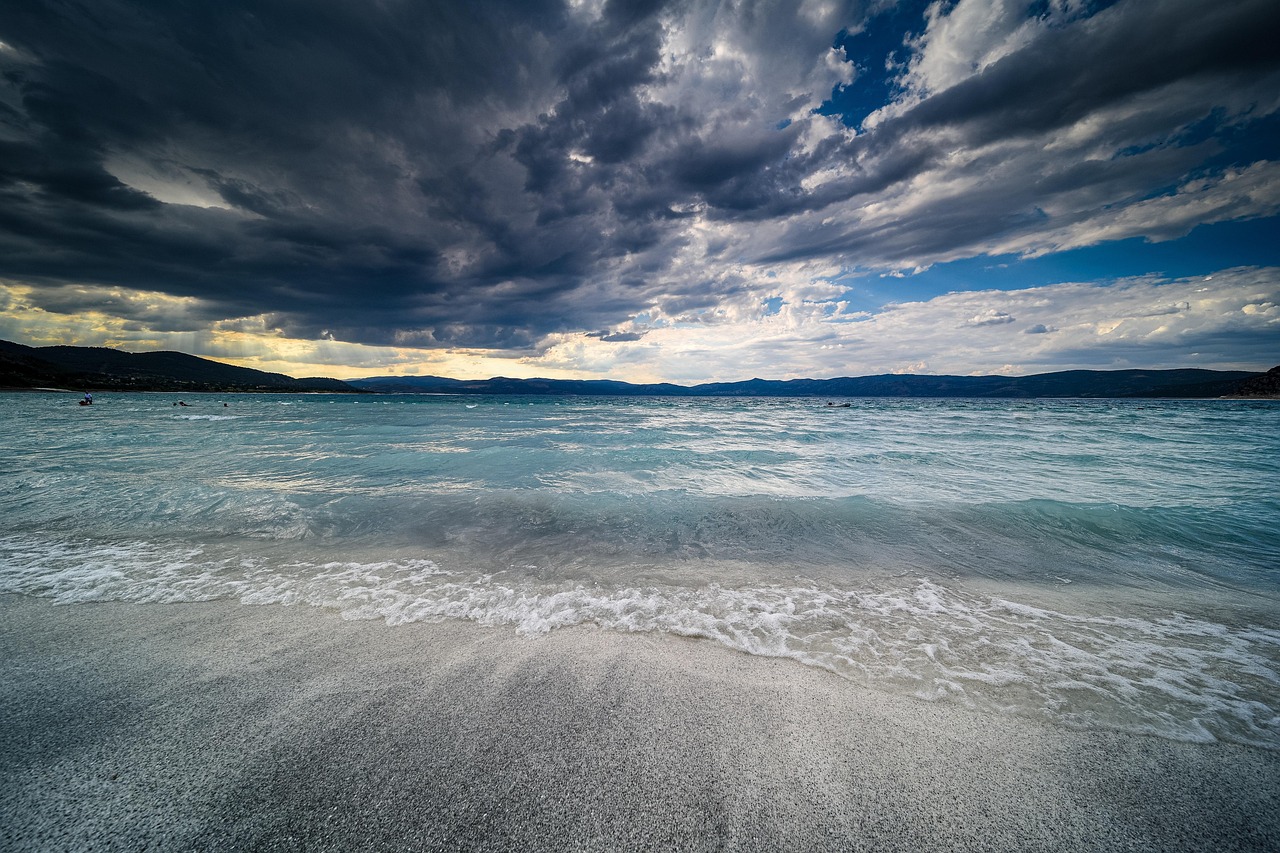
Hundreds of mourners gathered at the Calgary Muslim Cemetery on Tuesday afternoon to lay to rest a 12-year-old boy who tragically drowned in Mahogany Lake over the weekend. The emotional funeral service followed a devastating incident on Sunday, July 21, when the youth disappeared beneath the surface of the man-made lake in southeast Calgary, prompting a massive emergency response that ultimately ended in recovery rather than rescue.
Emergency crews, including the Calgary Fire Department’s aquatic rescue team and Calgary Police Service divers, were dispatched to the private residential lake at approximately 5:30 p.m. following reports of a swimmer in distress. Despite the rapid deployment of specialized equipment and personnel, the boy was located several hours later and pronounced deceased at the scene. The identity of the victim has not been publicly released by authorities out of respect for the family’s privacy during their period of mourning.
Context and Community Impact
Mahogany Lake is the center-piece of Calgary’s Mahogany community, a high-density residential area designed around the city’s largest man-made lake. The facility is managed by the Mahogany Homeowners Association (HOA) and is accessible only to residents and their guests. It features several beach areas, docks, and designated swimming zones that are typically high-traffic areas during the peak of the Alberta summer.
The incident has sent shockwaves through the tight-knit southeast community, which prides itself on its family-oriented atmosphere and recreational amenities. In the hours following the tragedy, the Mahogany HOA closed the lake and beach areas to the public to allow for the investigation and to provide the community space to grieve. This event marks one of the most significant tragedies in the community’s history since the lake opened for residential use.
Water Safety and Regional Trends
The drowning in Mahogany Lake underscores a concerning trend regarding water-related fatalities in Alberta during the summer months. According to data from the Lifesaving Society of Alberta and Northwest Territories, drowning remains one of the leading causes of unintentional injury-related death for children and young adults in the province. The society notes that a significant percentage of these incidents occur in lakes and rivers, often during recreational activities.
Experts point out that drowning is frequently a silent event, contrary to the splashing and shouting often depicted in media. “Drowning can happen in seconds and usually occurs when a swimmer becomes exhausted, suffers a medical episode, or misjudges the depth and temperature of the water,” says a representative from the Lifesaving Society. In many man-made lakes, underwater visibility can be limited due to sediment and organic growth, which complicates rescue efforts once a person disappears below the surface.
Expert Perspectives on Supervision and Prevention
Safety advocates emphasize that even in controlled environments like private community lakes, the risks are ever-present. While many HOA-managed lakes employ safety ambassadors or staff to monitor the grounds, they do not always provide certified lifeguard services at all hours or across all sections of the water. This distinction is critical for parents and guardians to understand when assessing the safety of their children.
Data from the National Drowning Prevention Alliance suggests that 88% of children who drown do so under some form of supervision, highlighting the need for “active supervision”—where the guardian is within arm’s reach and focused solely on the swimmer. In the case of older children and pre-teens, a false sense of security regarding their swimming abilities can sometimes lead to decreased vigilance.
Regulatory Scrutiny and Safety Reviews
In the wake of the Sunday tragedy, there are growing calls for a review of safety protocols at private residential lakes across Calgary. Unlike public pools, which are subject to strict provincial health and safety regulations regarding lifeguard-to-swimmer ratios, private lake communities often operate under different sets of bylaws and insurance requirements. This creates a patchwork of safety standards that varies from one community to the next.
Industry analysts suggest that this incident may prompt the City of Calgary and local HOAs to collaborate on more standardized safety signage, increased availability of life jackets, and perhaps even the implementation of remote monitoring technology. The Calgary Police Service has confirmed that the investigation into the specific circumstances of the boy’s death is ongoing, though it is currently being treated as a non-criminal accidental drowning.
Forward-Looking Implications
As the community of Mahogany begins the long process of healing, the focus will likely shift toward preventative measures to ensure such a tragedy does not recur. The Mahogany Homeowners Association is expected to conduct an internal safety audit of their beach and lake operations in the coming weeks. This could lead to new requirements for youth swimmers or the installation of more emergency call stations around the perimeter of the water.
For the broader Calgary area, this event serves as a somber reminder of the inherent risks associated with open-water recreation. Watch for potential updates to municipal water safety awareness campaigns as the province enters the hottest weeks of August. The outcome of the police investigation will also be closely monitored by other lake-based communities to determine if specific environmental factors contributed to the difficulty of the rescue operation.


