
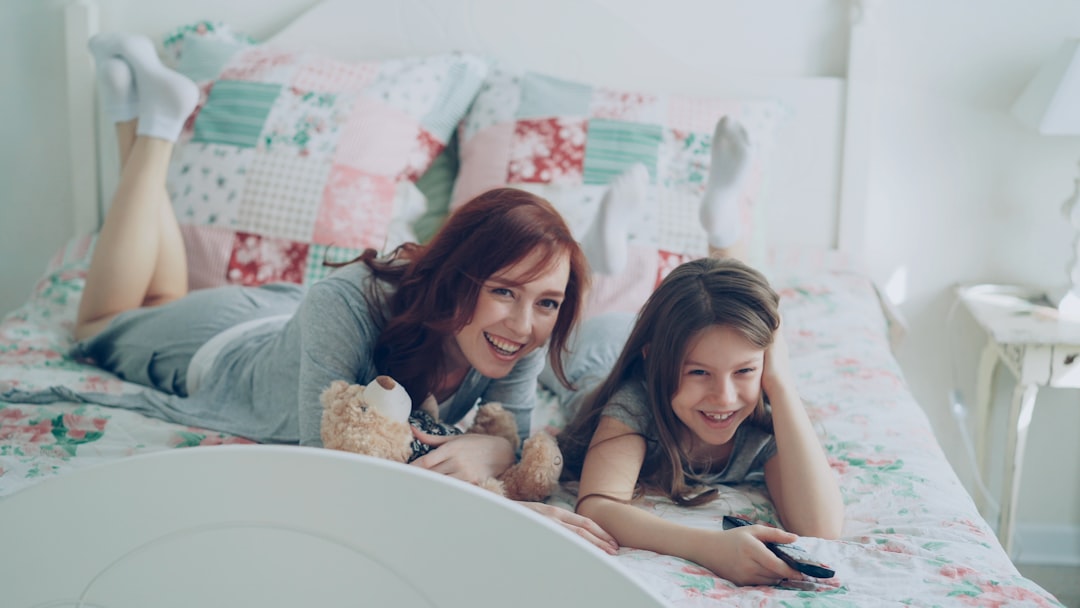
In 2026, Canadian interior designers are shifting the focus of children’s bedroom design from simple aesthetics to emotional regulation and long-term utility. Experts like Cynthia Soda and Jo Alcorn emphasize that these spaces serve as a child’s first environment for independence and self-expression. By prioritizing a “function-first” approach this year, parents can create sanctuaries that evolve alongside their children’s changing needs. This guide explores how to implement child bedroom design trends that balance play, rest, and storage while ensuring the room remains a safe container for imagination.
- Prioritize a neutral, high-quality foundation for furniture to ensure longevity.
- Designate specific zones for rest, play, and creativity to support development.
- Involve children in curated design choices to build their confidence and sense of ownership.
A child’s bedroom is much more than just a place to sleep. It is the first environment they truly call their own. Cynthia Soda, founder of Soda Pop Design Inc. in Stouffville, notes that a thoughtfully designed space supports a sense of identity. In an increasingly overstimulated world, a personal room provides a necessary sense of control and calm.
Why is functional design essential for child development?
Designers now advocate for a “function first, personality second” philosophy. Jo Alcorn, principal designer of Alcorn Home Design | Build, suggests starting with the day-to-day work of the room. This includes sleeping, playing, reading, and storage. Layering in personality comes later through easily updated elements.
A strong foundation consists of a good layout and quality furniture. These pieces make the space flexible over time. Soda suggests considering how the child lives rather than just how the room looks. Parents should ask if their child thrives with stimulation or requires a quiet retreat.
At a minimum, a modern child’s bedroom should support four key pillars:
- Rest: Comfortable and calm sleeping zones.
- Play: Open or flexible floor space for movement.
- Creativity: Dedicated surfaces for drawing, reading, or learning.
- Storage: Accessible and intuitive systems for organizing belongings.
How can you maximize small bedroom spaces?
Maximizing space is crucial because a child’s room plays numerous roles. Alcorn highlights multi-functional design as the primary solution for 2026. Look for beds with built-in storage or desks that double as craft stations. Seating that can be tucked away helps keep the floor open.
Vertical space is often underutilized in smaller Canadian homes. Use shelving and wall hooks to move items off the floor. This creates defined zones within the room, making it feel organized rather than crowded. A well-defined zone helps a child understand the purpose of each area, which aids in focus and relaxation.
“A well-designed kid’s room quietly works very hard behind the scenes,” says Soda.
What are the best strategies for a room that grows with your child?
Ensuring a room stays relevant as a child matures is a common challenge. Soda shares an example of designing her daughter’s room for her tenth birthday. While the child initially chose bold wallcoverings, she eventually yearned for something softer as she entered her teens. To avoid full redesigns, designers suggest thinking of the room in layers.
Keep the largest elements timeless and neutral. This includes the bed, dresser, lighting, and primary wall colour. When selecting these core pieces, ensure they meet Health Canada’s safety guidelines for children’s furniture to guarantee durability and protection. Flexible elements like art, textiles, and accessories can then evolve with the child’s interests.
Alcorn agrees that the room should evolve in layers. Changing a wall colour or swapping out bedding is a minor task compared to replacing furniture. This approach saves money and reduces waste over a decade of growth.
How do you involve children in the design process?
Children can take on more responsibility in the design process than many parents expect. Soda notes that with guidance, children can help choose fabrics or artwork from a curated selection. This teaches them decision-making skills and builds confidence. They can also participate in organizing their belongings before transitioning to a new space.
Alcorn suggests hands-on ways for kids to contribute. They can help create a gallery wall or engage in simple DIY projects like painting small furniture. These activities give them a sense of ownership over their environment. When a child feels their voice matters, they are more likely to respect and maintain the space.
The most successful rooms are not necessarily the most expensive. Instead, they are the most “attuned” to the child’s needs. When a space reflects how a child thinks and feels, it becomes a source of daily support. It is where they build confidence and where their imagination begins to take shape.
Investing time in a thoughtful layout today creates a foundation for adulthood. Children learn early on how their environment impacts their mood and productivity. By creating a space that balances independence with comfort, you provide them with a vital tool for emotional health that lasts well beyond their childhood years.


