
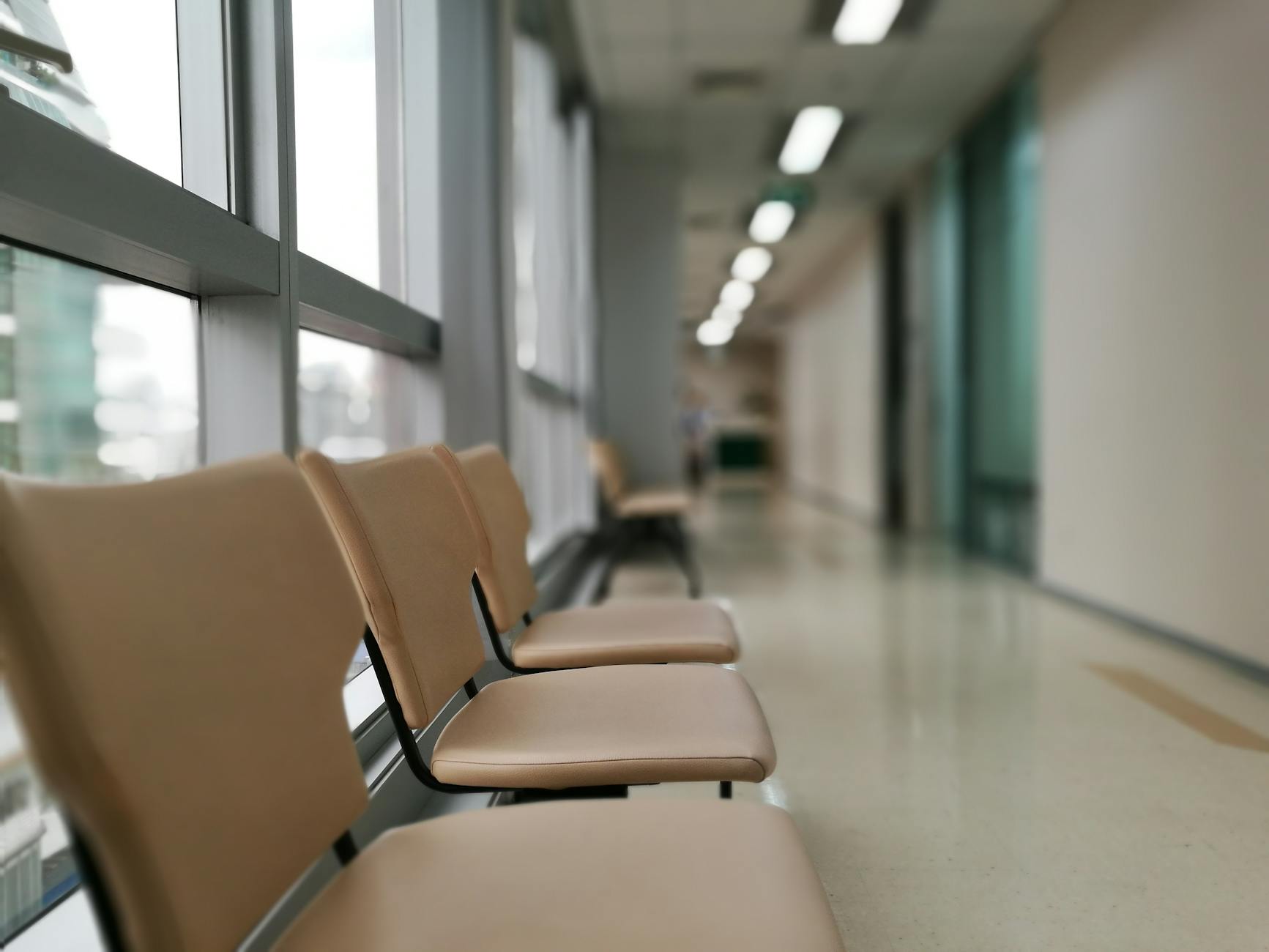
On October 22, 2026, the Alberta Medical Association (AMA) reported the death of a patient waiting for care in Edmonton. This tragedy occurred at a major urban hospital during a period of extreme overcrowding and service delays. Healthcare providers are now sounding the alarm on the deteriorating safety of wait-room environments across the province. This article explores the factors contributing to the Alberta healthcare crisis and the immediate steps required to restore safety. Readers will understand the systemic pressures causing these delays and the potential solutions proposed by medical experts.
Key Takeaways:
- A new patient fatality highlights critical gaps in Alberta’s emergency care delivery.
- Urban hospital wait times currently exceed 12-hour averages for non-life-threatening cases.
- The AMA is urging the provincial government to implement an immediate stabilization fund.
How did the latest ER fatality occur?
The incident involved a middle-aged patient seeking urgent assistance for acute respiratory distress. Despite the severity of the symptoms, the individual remained in the waiting area for over six hours. Triage staff had classified the patient as urgent, yet no beds were available in the treatment zone. Witnesses report that the patient collapsed before a medical assessment could take place.
Staffing levels at the facility were reportedly 20% below the required baseline during the shift. This shortage forced the remaining nurses to manage a volume of patients far beyond safe limits. The AMA states that this event is not an isolated failure of individual staff members. Instead, it represents a systemic collapse of the emergency department flow.
Why are Alberta hospitals facing unprecedented pressure in 2026?
Alberta’s population has grown significantly over the last three years, outpacing healthcare infrastructure expansion. The province has struggled to retain frontline workers due to high burnout rates and competitive offers elsewhere. Aging facilities are also unable to handle the modern technological requirements of 2026 medicine. These factors create a bottleneck where patients cannot move from the ER to inpatient wards.
Furthermore, the lack of primary care access drives more citizens to emergency departments for minor issues. When family clinics are full, the hospital becomes the only option for many Albertans. This influx of low-acuity cases further congests the triage process for those in critical need. The ripple effect causes ambulances to wait for hours to offload patients, reducing community coverage.
“We are no longer practicing medicine in a safe environment; we are managing a crisis every single hour.”
What do the latest health data points reveal?
Recent data indicates that hospital occupancy rates in Calgary and Edmonton frequently exceed 105%. According to the Alberta Health Services performance reports, surgical cancellations have increased by 12% this year. These delays often stem from a lack of post-operative beds occupied by emergency admissions. The cycle of congestion prevents efficient patient throughput across all departments.
The AMA notes that physician burnout has reached a record high of 65% in 2026. Many doctors are reducing their hours or leaving the province entirely to escape the high-stress environment. This exodus leaves remaining staff with even larger patient loads and higher risks of clinical error. The data suggests that without a massive influx of personnel, these outcomes will persist.
How is the medical community responding to these risks?
The AMA has proposed a multi-stage recovery plan to address the current healthcare deficit. This plan includes a new compensation model designed to attract and retain emergency specialists. It also advocates for a decentralized triage system to move stable patients to community clinics. Medical leaders believe that shifting the burden away from hospitals is the only sustainable path forward.
Frontline workers are also calling for increased transparency regarding daily hospital capacity levels. They suggest that real-time public dashboards could help redirect patients to less crowded facilities. However, critics argue that all facilities are currently operating at or near their maximum limits. The medical community remains united in its demand for structural changes rather than temporary fixes.
What does this mean for patient safety in Alberta?
For Albertans, the current state of the ER means that seeking care requires significant patience and caution. Patients with chronic conditions should maintain close contact with their primary care providers to avoid emergency visits. Understanding the triage process can also help families manage expectations during a visit to the hospital. While the system is strained, critical life-saving care remains the priority for all staff.
The provincial government has promised a review of the latest fatality to identify specific procedural gaps. Advocacy groups are monitoring this investigation closely to ensure accountability for the systemic failures identified. Future policy decisions will likely focus on integrated care models that bridge the gap between clinics and hospitals. For now, the focus remains on supporting the exhausted workforce and ensuring every patient receives a timely assessment.
Improving the healthcare landscape requires a collaborative effort between the government, medical professionals, and the public. By prioritizing recruitment and optimizing hospital transitions, Alberta can work toward a more resilient health system. Staying informed about local wait times and utilizing telehealth options can help reduce the immediate pressure on urban emergency departments.


