
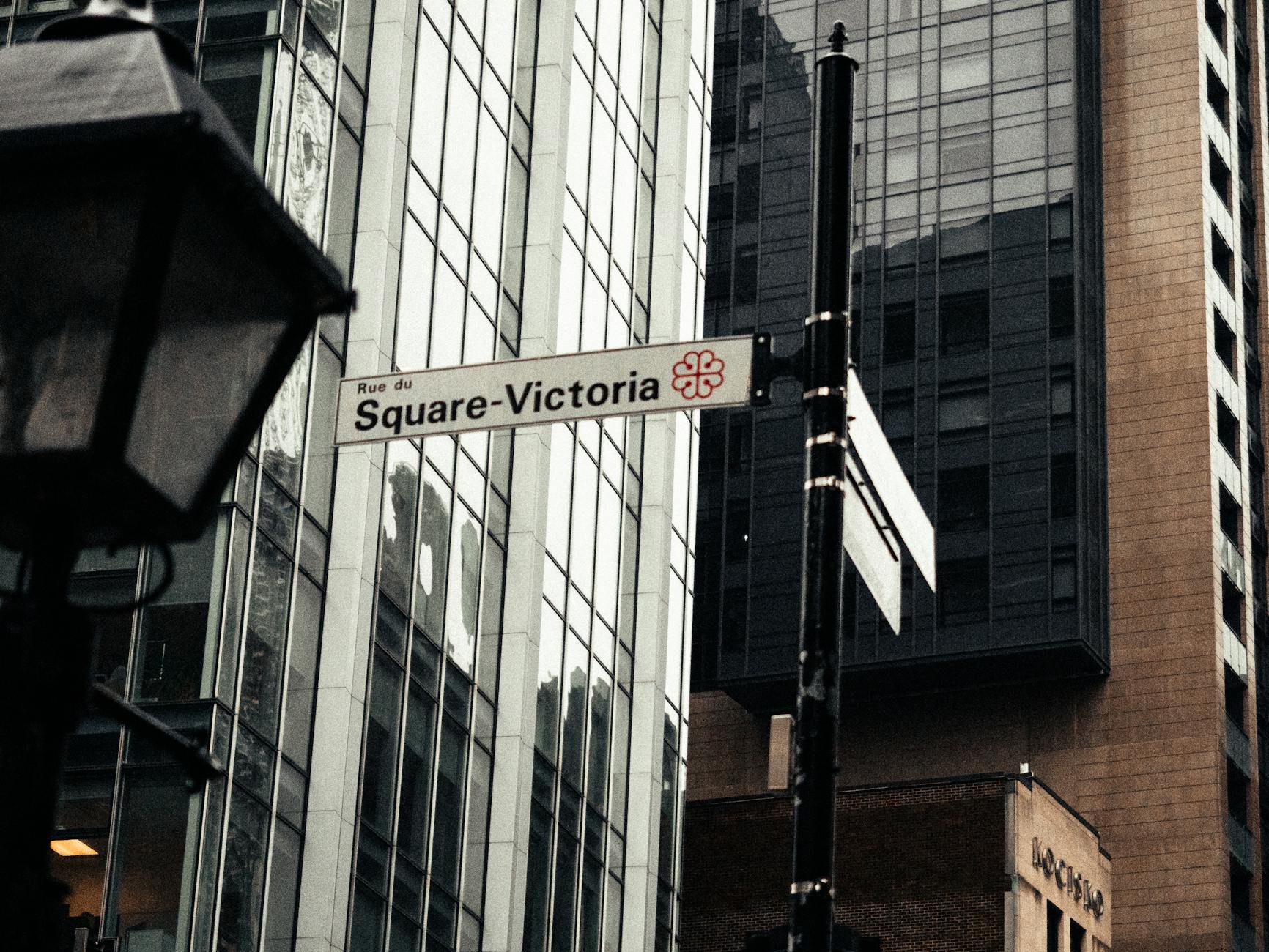
On May 12, 2026, Edmonton City Councillor Michael Janz formally submitted a proposal to rename a prominent section of 99th Avenue to Forever Canadian Avenue. The targeted area sits directly adjacent to the Alberta Legislature Building, making the move a highly symbolic gesture in the heart of the provincial capital. This legislative push serves as a direct response to the rising separatist sentiments and autonomy-focused policies currently being debated within the province. By establishing this landmark, the councillor aims to solidify Edmonton’s identity as a bastion of national unity. Readers will learn about the administrative process behind this change and how the Forever Canadian Avenue Edmonton proposal impacts the broader political landscape of Western Canada.
- The proposal targets the specific stretch of 99th Avenue bordering the Alberta Legislature grounds.
- Councillor Janz frames the renaming as a peaceful counter-narrative to the ‘Free Alberta Strategy.’
- The initiative requires approval from the municipal naming committee after public consultation.
Why is Edmonton renaming a street near the Legislature?
The political climate in Alberta has undergone a significant transformation over the past three years. Increased friction between the provincial and federal governments has led to the introduction of various sovereignty-focused frameworks. These movements often advocate for greater independence or even a total separation from the Canadian federation. Edmonton, however, has historically maintained a strong federalist stance compared to other regions in the province.
Councillor Janz argues that the city must use its administrative powers to reflect the values of its residents. The decision to choose 99th Avenue is not accidental. This thoroughfare serves as the primary gateway for thousands of provincial employees, tourists, and lawmakers every day. Placing a permanent reminder of national identity at the doorstep of provincial power sends a clear message to those visiting the legislature.
The proposal arrives at a time when municipal-provincial relations are at a historic low. Recent provincial legislation has granted the government more oversight over municipal bylaws, leading to a tug-of-war for local autonomy. Janz’s motion uses a purely municipal function—street naming—to assert a political identity that contradicts the current provincial narrative.
The symbolic battle for Alberta’s public spaces
Public spaces in Edmonton have long been sites of political expression. The Alberta Legislature grounds frequently host protests ranging from climate action to healthcare reform. By renaming the adjacent street, the city creates a permanent fixture that defines the space regardless of who is currently in office. The name ‘Forever Canadian Avenue’ is intended to be a non-partisan but firm declaration of national belonging.
“Our streets should reflect our values and our history. Edmontonians are proud of their role within a united Canada, and our infrastructure should mirror that commitment.”
Critics of the proposal argue that the move is an unnecessary use of taxpayer resources. Some provincial representatives have dismissed the gesture as ‘performative politics’ that fails to address real economic concerns. However, supporters believe that symbols are vital in shaping the public consciousness during times of political instability. They argue that the cost of new signage is a small price for a clear statement of unity.
How municipal policy reflects federal unity debates
The process for changing a street name in Edmonton follows a strict administrative path. The City of Edmonton Naming Committee is responsible for reviewing all applications to ensure they meet civic standards. This committee evaluates proposals based on historical significance, community impact, and clarity for emergency services. Janz’s application will undergo a rigorous review process that includes feedback from local property owners and historical societies.
Data from the 2025 Municipal Identity Survey indicated that 68% of Edmontonians felt a ‘strong or very strong’ connection to their Canadian identity. This data supports the councillor’s claim that the renaming aligns with the majority view of his constituents. The survey also revealed that residents in the city core are more likely to support federalist symbols than those in the surrounding rural municipalities. This geographic divide highlights the growing tension between urban centres and the provincial administration.
In addition to the symbolic value, the renaming has practical implications for local businesses. Several cafes and law firms located on 99th Avenue will need to update their official addresses and marketing materials. The city has proposed a small grant program to help these businesses transition if the motion passes later this year.
What are the next steps for the Forever Canadian Avenue proposal?
The naming committee is expected to hold a public hearing in July 2026. This session will allow residents to voice their support or concerns regarding the change. If the committee approves the application, it will then move to a final vote at the City Council level. Given the current composition of the council, many analysts expect the motion to pass with a comfortable majority.
The financial impact of the project is estimated at approximately $18,500. This budget covers the fabrication of high-visibility signage, updates to digital mapping systems, and administrative fees. While some see this as a minor expense, the provincial government could potentially challenge the renaming if they deem it interferes with the ‘dignity’ of the legislature grounds. This could lead to a legal battle over jurisdictional boundaries.
As the debate moves forward, the focus remains on how Edmontonians choose to define themselves in an era of regionalism. The proposed name change serves as a reminder that local governments hold the power to shape the cultural narrative of their streets. Whether this leads to further naming initiatives across the province remains to be seen. For now, the focus is on a single stretch of road and the weight of the words it may soon carry. Residents are encouraged to participate in the upcoming public consultations to ensure their voices are heard in this historic decision.


