
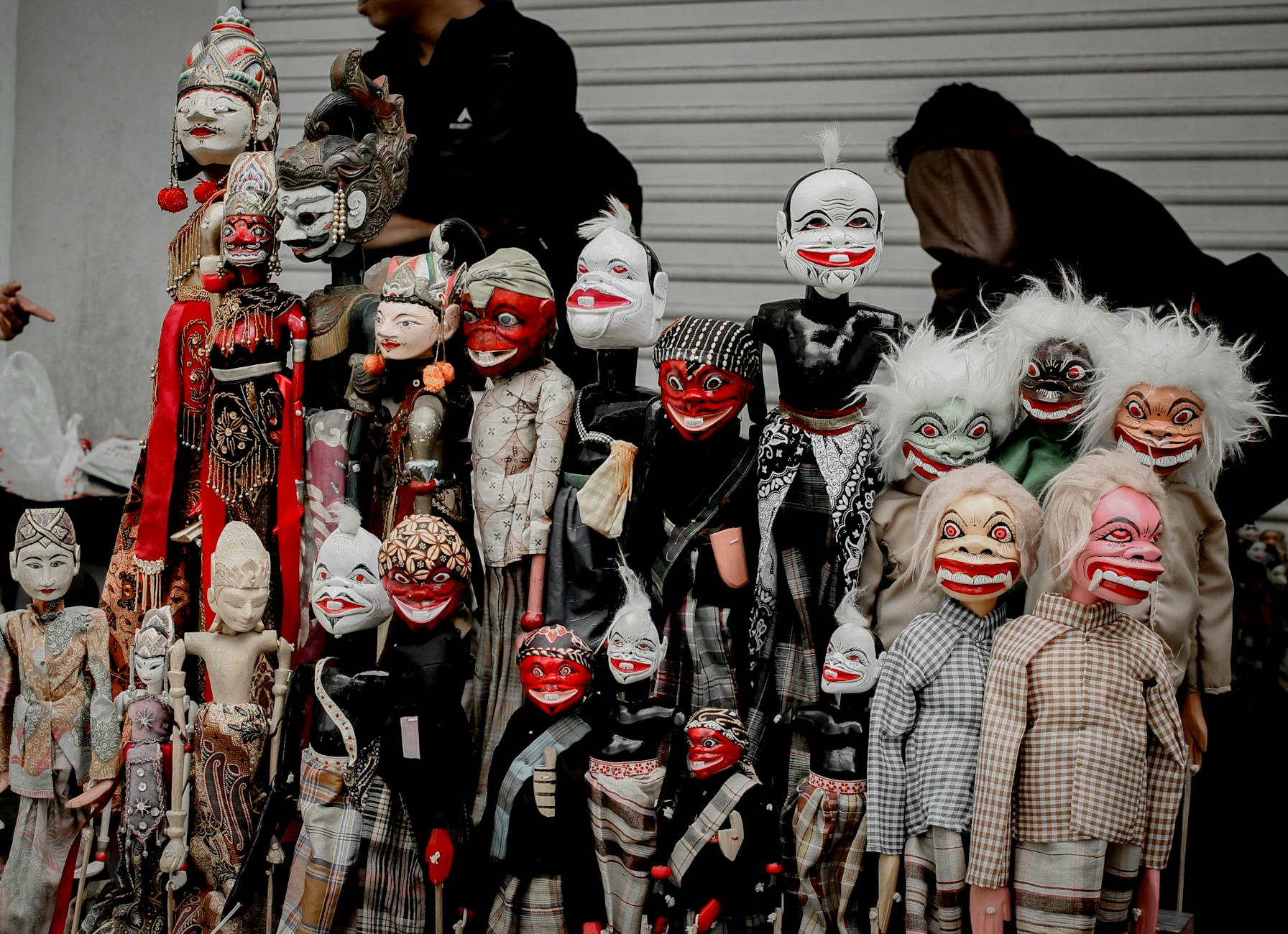
In early 2026, a specialized production team in Saskatoon is launching a groundbreaking puppet series to safeguard the endangered Nakoda language. This initiative targets preschool and primary-aged children to foster fluency within the next generation of Indigenous speakers in Saskatchewan. Producers designed the show to address the critical shortage of immersive Nakoda-language media available for modern families. You will learn how this creative medium serves as a vital tool for cultural survival and linguistic education.
- First-of-its-kind puppet series specifically dedicated to the Nakoda language.
- Integrates traditional storytelling with modern digital broadcasting standards.
- Aims to reverse the decline of fluent speakers among Indigenous youth.
The project arrives at a pivotal moment for Indigenous heritage in Canada. Many Elders, who are the primary knowledge keepers, emphasize the urgency of passing down linguistic traditions. Consequently, this production serves as a digital bridge between generations. The crew utilizes handcrafted puppets to create a relatable and engaging environment for young learners.
How is Saskatoon leading Indigenous language revitalization?
Saskatoon has emerged as a hub for Indigenous media innovation. This new production leverages local talent and linguistic expertise to create high-quality educational content. The show features characters that reflect the geography and culture of the Northern Plains. By centering the production in Saskatchewan, the team ensures authentic dialect representation.
The creators emphasize that nothing of this scale has ever been attempted for the Nakoda language. Previous efforts often relied on static textbooks or basic audio recordings. This show introduces dynamic interaction and emotional connection through character-driven narratives. Furthermore, the production provides employment opportunities for Indigenous artists and voice actors.
Linguistic experts highlight the importance of early childhood exposure. Children acquire languages most effectively through play and visual storytelling. Therefore, puppets provide an ideal medium for teaching complex grammatical structures in a simplified manner. The show focuses on daily conversational Nakoda rather than just isolated vocabulary words.
Why are puppets the chosen medium for Nakoda preservation?
Puppetry offers a unique blend of entertainment and education that resonates with children. The tactile nature of the puppets makes the learning process feel less formal and more inviting. Specifically, the characters act as peers for the young audience members. This peer-to-peer dynamic encourages children to repeat phrases and sing along in Nakoda.
Additionally, the medium allows for imaginative storytelling that transcends cultural barriers. The show incorporates traditional legends while placing them in contemporary settings. This approach demonstrates that the Nakoda language is a living, evolving tool. It is not merely a relic of the past but a functional language for the future.
“Language is the heartbeat of our culture, and seeing it come to life through these characters provides hope for our youth,” says one lead cultural consultant.
The production team worked closely with fluent speakers to ensure phonetic accuracy. Every script undergoes a rigorous review process to maintain cultural integrity. Consequently, the show serves as a reliable resource for educators in provincial school systems. Many schools in Saskatchewan are already planning to integrate the series into their Indigenous studies curricula.
What data supports the urgency of this production?
Current statistics indicate that the Nakoda language faces a significant risk of extinction within the next few decades. According to the Indigenous Languages Act, the preservation of these tongues is essential for the reclamation of Indigenous identity. Data shows that fewer than 1,000 fluent Nakoda speakers remain in certain regions of Canada.
Without intervention, the natural transmission of the language could cease entirely. Multimedia projects like this puppet show offer a scalable solution to this crisis. They can reach thousands of households simultaneously through streaming platforms and television broadcasts. This wide reach is essential for creating a critical mass of new speakers.
Research into language immersion shows that consistent exposure is the key to retention. The show intends to provide a daily touchpoint for families to engage with the language together. Parents who may not be fluent themselves can learn alongside their children. This dual-learning model strengthens the linguistic foundation of the entire household.
How will this impact Indigenous education in 2026?
The launch of the series marks a shift toward more interactive Indigenous education. Educators are moving away from translation-based learning toward total immersion. This puppet show provides the necessary visual cues to help children understand context without needing English subtitles. This method mirrors natural language acquisition.
Moreover, the success of this project could lead to similar initiatives for other Indigenous languages. Cree, Saulteaux, and Dene communities are watching the Saskatoon production closely. A successful rollout would provide a blueprint for future cultural media projects. It proves that traditional knowledge and modern technology can coexist harmoniously.
The production also addresses the psychological aspects of language learning. Many youth feel intimidated by the complexity of their ancestral tongues. Puppets remove this anxiety by making mistakes part of the fun. This supportive environment encourages children to take risks with their speech. Eventually, this leads to greater confidence in using the language outside of the classroom.
As the series prepares for its 2026 debut, the focus remains on community engagement. Local schools and community centres will host screening events to build excitement. These gatherings foster a sense of pride and collective ownership over the language revitalization process. The show is more than just entertainment; it is a movement for cultural sovereignty. By placing the Nakoda language on screen, the production ensures that the voices of the ancestors continue to be heard by the leaders of tomorrow.


