
Ankara, November 14, 2026. Ozgur Ozel, leader of the Republican People’s Party (CHP), has vowed to remain at his party headquarters after a high court ruling ordered his removal from office. This defiance follows a controversial judicial decision that threatens to destabilize Turkiye’s political landscape ahead of the next election cycle. Readers will learn about the legal grounds for this ouster, the opposition’s strategy for resistance, and the potential impact on Turkish democratic institutions during this Turkish political crisis 2026.
- Ozgur Ozel refuses to vacate the CHP headquarters despite a judicial disqualification.
- The court ruling stems from administrative disputes originating during the 2024 party congress.
- International observers express concern over the independence of the Turkish judiciary.
- The standoff has triggered immediate market volatility and nationwide protests.
How did the 2026 judicial ruling against Ozgur Ozel originate?
The current crisis began when the Court of Cassation upheld a petition challenging Ozel’s eligibility. The petition cited procedural errors during the 2024 CHP Extraordinary Congress. This legal challenge sat dormant for nearly two years before reaching a final verdict this week. Critics argue the timing is politically motivated to weaken the opposition. The court claims the leadership transition violated internal party bylaws and national association laws.
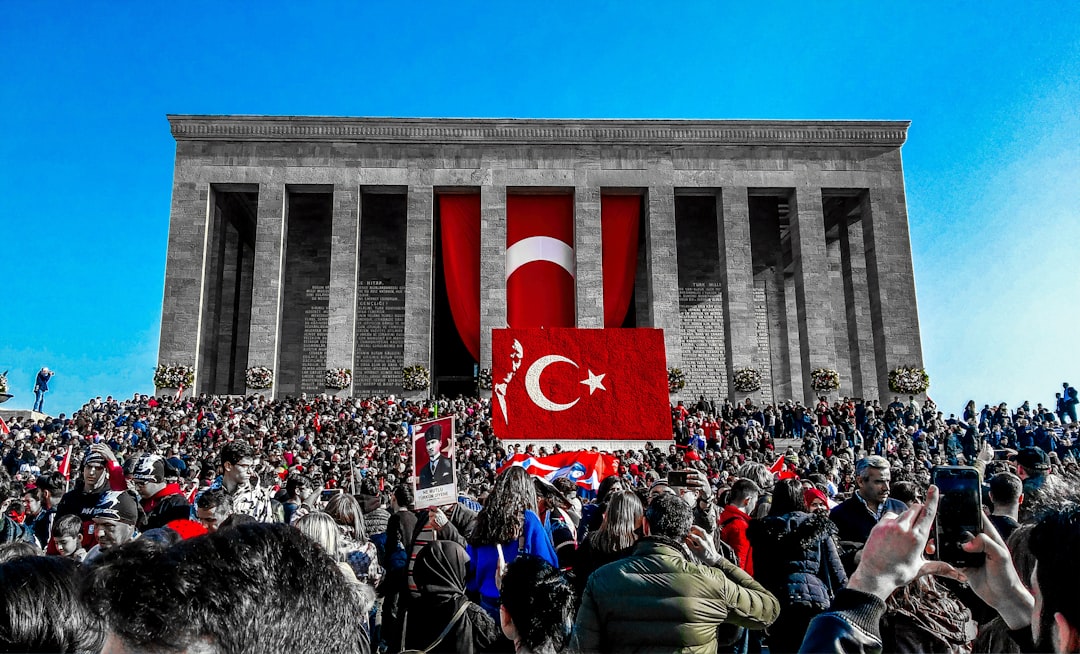
Ozel addressed a crowd of thousands from the balcony of the CHP building in Ankara. He characterized the ruling as a judicial coup against the will of the people. He stated that only party members, not judges, have the power to remove him. Supporters have established a 24-hour vigil around the party’s central office. They have blocked entrances to prevent security forces from enforcing the court order.
What are the legal and political arguments for Ozel’s defiance?
The CHP legal team argues that the court exceeded its jurisdiction by interfering in internal party matters. They claim the statute of limitations for challenging the 2024 congress has long passed. Furthermore, the party asserts that the ruling contradicts previous precedents set by the Constitutional Court. This creates a direct conflict between two of Turkiye’s highest judicial bodies.
The ruling Justice and Development Party (AKP) has called for the immediate implementation of the law. Government spokespeople emphasize that no individual or party is above the judicial system. They urge the CHP to appoint an interim leader to ensure political continuity. However, other opposition parties have rallied behind Ozel. They fear this ruling sets a dangerous precedent for all political organizations.
How does this impact the independence of Turkish democratic institutions?
The international community is monitoring the situation with increasing concern. Organizations like the European Commission for Democracy through Law have previously warned about judicial overreach in political spheres. Many analysts believe this event marks a new phase in the judicialization of Turkish politics. They suggest the courts are being used as tools for political engineering.
Data from recent polls suggests that public trust in the judiciary has reached an all-time low. Approximately 68 percent of respondents in a November 2026 survey expressed doubt regarding court impartiality. This lack of trust fuels the current unrest in major cities like Istanbul and Izmir. Demonstrators claim that the judicial system no longer protects the rights of voters.
What are the economic and social implications of the standoff?
Financial markets reacted sharply to the news of the standoff. The Turkish Lira fell by 3.4 percent against the US dollar within hours of Ozel’s announcement. Investors worry that prolonged political instability will derail recent economic recovery efforts. Business leaders have called for a swift and peaceful resolution to the crisis. They fear that civil unrest could damage the vital tourism sector.
Social media platforms have become a primary battleground for information. The government has restricted access to certain apps in specific regions citing national security. Despite these measures, videos of protests continue to circulate widely. These clips show a diverse group of citizens joining the resistance. The movement includes labour unions, student groups, and professional associations.
What can the Turkish opposition do to resolve the crisis?
The CHP is currently exploring several avenues to resolve the deadlock. First, they have filed an emergency appeal with the Constitutional Court. This move seeks to stay the execution of the lower court’s order. Second, the party is considering calling for an early national congress. This would allow delegates to reaffirm Ozel’s leadership through a fresh vote.
Legal experts suggest that a legislative solution might also be possible. Parliament could amend the Law on Political Parties to limit judicial intervention. However, such a move would require support from the ruling coalition. Given the current polarization, a legislative compromise seems unlikely in the short term. The situation remains fluid as both sides refuse to back down.
The coming days will determine the resilience of Turkiye’s political framework. If Ozel successfully maintains his position, it could signal a shift in the balance of power. If security forces intervene, the country may face a period of significant domestic turmoil. Citizens and international observers alike remain focused on Ankara as this historic confrontation unfolds. The outcome will likely define the path of Turkish democracy for the remainder of the decade.


