
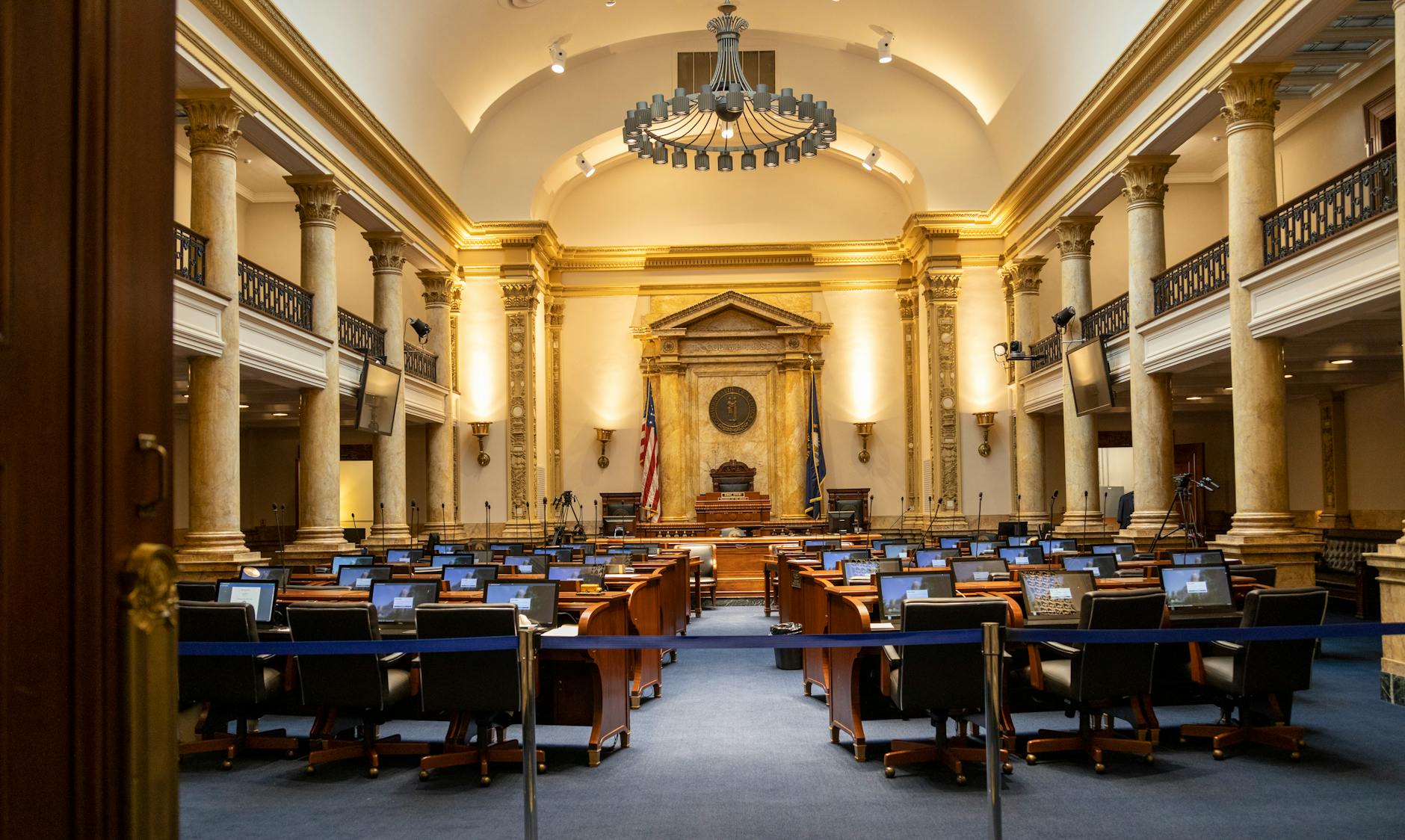
The United States Senate stalled a pivotal vote on May 21, 2026, regarding a proposed $1.8 billion “anti-weaponisation” fund intended to reshape federal immigration enforcement. This unexpected legislative hurdle emerged in Washington, D.C., just hours before the scheduled Memorial Day recess, signaling a rare fracture within the majority party. Lawmakers chose to delay the allocation of these funds as questions regarding executive oversight and the specific mandate of the new programme remain unanswered. In this article, you will learn why the US Senate anti-weaponisation fund has become a flashpoint for constitutional debate and what this delay means for the future of border security operations.
Key Takeaways:
- The Senate delayed a $1.8 billion funding package aimed at restructuring immigration enforcement.
- Legislators expressed concerns over the “anti-weaponisation” label and its potential impact on federal agency independence.
- The vote is now postponed until after the Memorial Day recess, creating a temporary vacuum in border policy funding.
Why is the Senate delaying the $1.8 billion fund?
The delay stems from a growing divide over the intended use of the $1.8 billion capital injection. While the administration framed the fund as a necessary tool to prevent the “weaponisation” of federal agencies against political targets, several senators demanded more transparency. They argue that the language within the bill remains too vague to ensure proper fiscal accountability. This dissent highlights a significant shift in the legislative landscape as the summer session approaches.
Constitutional experts suggest that the term “anti-weaponisation” lacks a precise legal definition in the context of budgetary allocations. Consequently, the Senate Appropriations Committee has requested a detailed breakdown of how these funds would be distributed across various departments. Without this data, moderate members of the chamber feel uncomfortable authorizing such a large expenditure. This caution reflects a desire to maintain the traditional checks and balances that govern the relationship between the White House and the Capitol.
What does this mean for immigration enforcement?
The primary objective of the fund is to overhaul how the Department of Homeland Security (DHS) manages border processing and internal investigations. Proponents of the bill suggest that the current system requires a total reset to eliminate perceived biases within the civil service. However, the postponement means that existing programmes must continue without the anticipated resources. This creates a logistical challenge for agencies already operating under strained budgets.
Furthermore, the delay impacts the recruitment of new enforcement officers and the modernization of surveillance technology at the southern border. If the fund remains stalled through June, the DHS may have to reallocate existing resources from other critical areas. This internal shuffling could lead to gaps in security or delays in processing legal immigration applications. The uncertainty is already being felt across various federal labour unions representing border personnel.
How does the legislative process handle this dissent?
The Senate utilizes a complex series of procedural moves to manage such high-stakes disagreements. By pushing the vote past the Memorial Day recess, leadership allows for a period of “cooling off” and behind-the-scenes negotiations. This tactic is often employed when a bill lacks the necessary votes to pass but is too important to fail entirely. During the break, staff members will likely draft amendments to satisfy the concerns of the dissenting senators.
According to the official records of the U.S. Senate Committee on Appropriations, the funding request remains under active review despite the public delay. This formal status indicates that the bill is not dead but is undergoing significant revision. The committee must balance the administration’s policy goals with the legislative branch’s duty to oversee the public purse. This tension is a hallmark of the 2026 political climate in Washington.
Expert perspectives on the “anti-weaponisation” mandate
Legal analysts have noted that the framing of this fund is unprecedented in American history. Traditionally, enforcement funds are tied to specific metrics like officer headcount or technology upgrades. The 2026 proposal, however, links the funding to a broader ideological goal of reforming agency culture. This shift has prompted warnings from former justice officials who fear that the fund itself could be used to politicize the departments it claims to protect.
Data from recent budget cycles shows that immigration enforcement spending has increased by 15% annually over the last three years. The proposed $1.8 billion would represent the largest single-year increase for a specialized enforcement programme. Critics argue that such a rapid expansion requires more oversight than the current bill provides. Meanwhile, supporters maintain that the urgency of the border situation justifies the scale and the speed of the request.
What are the long-term implications for the industry?
The private sector, particularly companies specializing in border technology and security infrastructure, is watching these developments closely. A delay in federal funding often leads to a ripple effect in the contracting world. Many firms had already begun bidding on projects tied to the anti-weaponisation fund. Now, those companies must wait for legislative clarity before proceeding with their development plans.
Moreover, the debate over this fund could set a new precedent for how future administrations request funding for sensitive federal agencies. If the Senate successfully forces a more detailed accounting, it could signal a return to more rigorous fiscal oversight. Conversely, if the fund passes without significant changes, it may encourage more ideological branding of federal budgets. This outcome will determine the operational framework for the DHS for the remainder of the decade.
The coming weeks will be critical as senators return to their districts to gauge public sentiment on the matter. The Memorial Day recess provides a window for constituents to voice their opinions on the $1.8 billion price tag. When the chamber reconvenes, the pressure to reach a compromise will be immense. Stakeholders from both sides of the aisle expect a revised version of the bill to surface by early June. This ongoing legislative struggle underscores the complexities of modern governance in an era of deep political division.


