
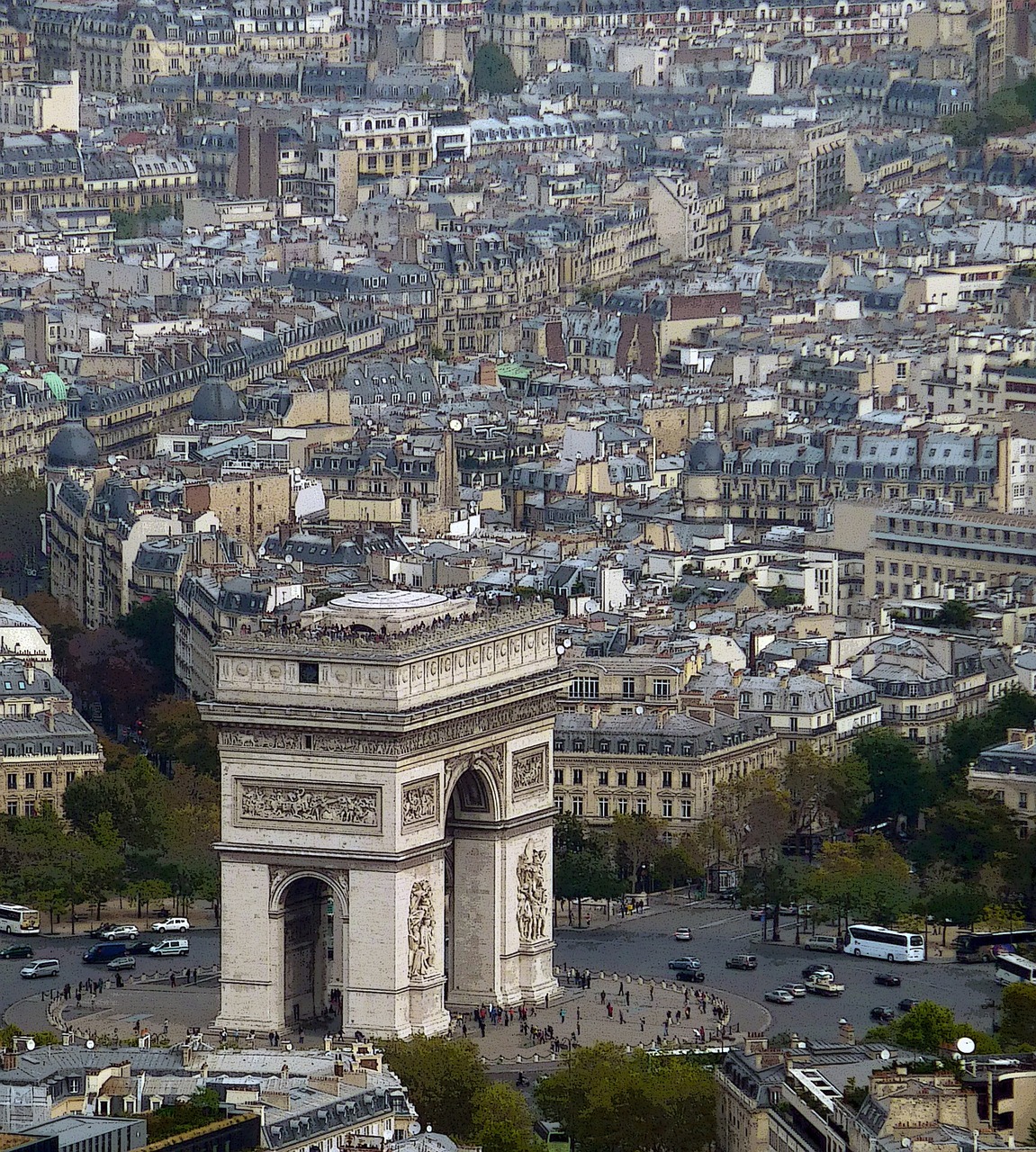
On Thursday, October 15, 2026, a federal arts commission in Washington, D.C., approved final designs for President Donald Trump’s proposed triumphal arch. This decision comes despite multiple active lawsuits aimed at halting the massive construction project. The commission, now largely composed of presidential allies, voted to move forward with the monument to commemorate American heritage. Readers will learn about the design specifics, the board’s controversial composition, and the legal hurdles facing the Trump triumphal arch project in the coming months.
- The federal arts commission approved the monument’s final design in a five-to-two vote.
- The arch is planned to stand 150 feet tall near the National Mall.
- Three separate lawsuits from preservation groups remain active in federal court.
How did the commission reach this decision?
The approval process reached its climax during a heated session on Thursday afternoon. The board reviewed updated blueprints that include intricate bronze reliefs and neoclassical columns. These designs had faced previous delays due to environmental concerns and zoning disputes. However, the current board members fast-tracked the review to meet year-end construction goals.
The project represents a significant shift in the capital’s architectural direction. Proponents argue the arch serves as a bold symbol of national strength and unity. They believe the structure will become a major tourist attraction for the city. Opponents, however, claim the design disrupts the historic vista of the federal district.
The commission’s vote is the final administrative hurdle before breaking ground. This approval allows the General Services Administration to begin soliciting bids for granite and marble. Construction crews could arrive at the site as early as next spring. The timeline remains aggressive despite the complexity of the engineering required for such a height.
What is the historical context of this monument?
Triumphal arches have historically celebrated military victories or significant national milestones. This project draws inspiration from the Arc de Triomphe in Paris and the Arch of Constantine in Rome. President Trump first proposed the idea during his second term as a way to honour American history. He envisioned a monument that would rival the great structures of Europe.
The location of the arch has been a point of intense debate for years. It is slated for a site near the intersection of Pennsylvania Avenue and Constitution Avenue. This placement puts it in direct dialogue with the Washington Monument and the U.S. Capitol. Architectural critics argue this placement challenges the established hierarchy of the city’s landmarks.
The U.S. Commission of Fine Arts maintains authority over the design of all federal buildings in the capital. Over the last two years, the White House replaced several long-standing members of this commission. The new appointees have consistently favoured neoclassical styles over modern or minimalist approaches. This shift in personnel was critical for the project’s recent success.
What are the specific design features of the arch?
The approved plans describe a structure made of Vermont white marble. It will stand approximately 150 feet high and 130 feet wide. The central opening will accommodate large parade vehicles and marching bands. Intricate carvings will depict scenes from the American Revolution and the industrial age.
Engineers have included modern sustainability features within the traditional design. The arch will use geothermal heating to prevent ice buildup on its exterior surfaces. LED lighting systems will illuminate the structure at night using solar power. These additions were necessary to meet modern federal building standards in 2026.
The interior will house a small museum and an observation deck. Visitors will be able to take an elevator to the top for views of the Potomac River. This functional aspect of the monument aims to increase its utility beyond a purely symbolic role. The museum will focus on the history of the American presidency and constitutional law.
Who is challenging the project in court?
Legal challenges remain the primary obstacle to the arch’s completion. Three separate coalitions of preservationists and local residents have filed suits. They argue the commission bypassed mandatory public comment periods required by federal law. These groups also claim the project violates the Height of Buildings Act of 1910.
One lawsuit focuses on the environmental impact of the massive marble structure. Plaintiffs argue that the weight of the arch could affect the local water table. They cite concerns about potential sinking or damage to nearby historic foundations. Federal lawyers have dismissed these claims as speculative and without scientific merit.
Another legal angle involves the funding of the monument. While the project is federally approved, much of the capital comes from private donations. Critics demand more transparency regarding the identities of these donors. They argue that large-scale public monuments should not be funded by anonymous interests.
What does this mean for the future of Washington?
The approval of the arch signals a new era in federal urban planning. It suggests a move toward more decorative and monumental public works. This trend could influence future projects across the United States. Other cities may look to Washington as a model for traditional civic architecture.
The project also highlights the power of presidential appointments in shaping the national landscape. By selecting board members who share his aesthetic vision, the President ensured the project’s survival. This strategy demonstrates how executive influence extends into the realm of public art and design. Future administrations will likely deal with the physical legacy of these decisions for decades.
Construction is expected to take at least three years if legal stays are not granted. The project will create hundreds of jobs for stonemasons and specialized artisans. It will also require a massive logistical operation to transport materials into the heart of the city. For now, the arch remains a point of intense national conversation and legal scrutiny.
As the legal battles continue, the federal government is moving forward with site preparation. Surveyors have already begun marking the perimeter of the foundation. The coming months will determine if the courts will allow the project to proceed on schedule. Stakeholders on both sides are preparing for a long and complex battle over the future of the American skyline.


