
On June 15, 2026, Israeli military forces conducted targeted strikes on the Nuseirat and Bureij refugee camps in central Gaza, resulting in dozens of injuries despite a standing ceasefire agreement. These operations occurred during a period intended for humanitarian relief, raising immediate concerns regarding the total collapse of recent diplomatic efforts. In this report, you will learn about the current humanitarian situation on the ground, the strategic reasons cited for the escalation, and the potential for a renewed regional conflict following this Gaza ceasefire violation impact. The strikes targeted densely populated areas, complicating emergency response efforts for local medical teams.
- Israeli airstrikes hit Nuseirat and Bureij refugee camps on June 15, 2026.
- Dozens of civilians sustained injuries, with local hospitals reaching maximum capacity.
- The incident marks a major breach of the ceasefire brokered by international mediators in late May.
- International aid organizations warn of an immediate threat to the humanitarian corridor.
What led to the escalation in central Gaza?
The ceasefire, established three weeks ago, aimed to facilitate the delivery of essential supplies and provide a reprieve for displaced populations. However, military officials in Israel reported that intelligence indicated the presence of active insurgent infrastructure within the camps. These claims served as the primary justification for the sudden kinetic action in the central sector.
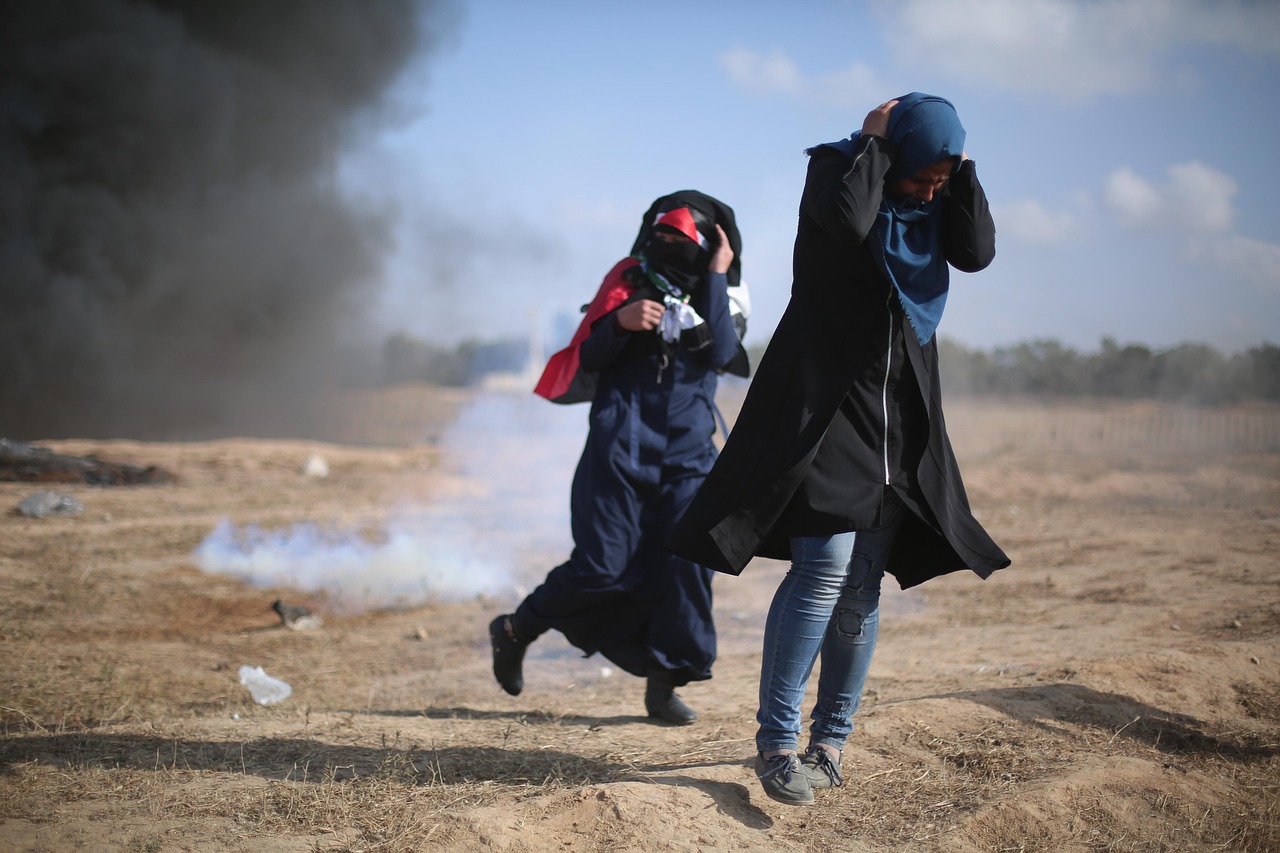
Local witnesses described a series of rapid explosions that caught residents by surprise during the morning hours. Video footage from the scene shows plumes of grey smoke rising above the concrete structures of Nuseirat. Emergency crews struggled to navigate the narrow alleyways of the camps to reach those trapped under debris.
The timing of the strike is particularly sensitive given the ongoing negotiations in Cairo. Mediators had hoped to transition the temporary pause into a more permanent cessation of hostilities. This latest development threatens to derail those high-stakes discussions entirely.
How does this breach affect the humanitarian corridor?
The Nuseirat and Bureij camps house thousands of families who have already faced multiple displacements over the last year. These latest strikes have damaged critical civilian infrastructure, including water sanitation systems and temporary housing units. Humanitarian agencies report that the influx of wounded individuals is overwhelming the limited medical facilities remaining in central Gaza.
Medical staff at nearby hospitals reported receiving over 40 casualties in the first hour following the strikes. Many of the injured are women and children who were in residential areas at the time of the impact. The lack of surgical supplies continues to hamper the ability of doctors to provide life-saving care.
According to data tracked by the United Nations Office for the Coordination of Humanitarian Affairs, access to central Gaza remains severely restricted for international aid convoys. This restriction prevents the replenishment of fuel and medicine needed to keep emergency rooms operational. The insecurity caused by the latest strikes has forced several NGOs to pause their operations temporarily.
“The fragility of this ceasefire was well-known, but the scale of today’s strikes in residential zones creates a new level of humanitarian risk,” stated a senior regional analyst.
What are the strategic implications for regional stability?
The international community has reacted with swift concern to the reports of renewed fighting. Diplomatic sources suggest that the breach could trigger a wider response from other regional actors. This volatility makes the prospect of a long-term peace deal increasingly remote in the near term.
Military analysts suggest that the strikes may be part of a broader strategy to maintain pressure during diplomatic talks. However, the high civilian cost often leads to increased domestic and international pressure on the involved parties. The shift from a defensive posture to active strikes indicates a change in the operational landscape.
Neighbouring countries have called for an immediate return to the terms of the May agreement. They emphasize that the safety of non-combatants must remain a priority regardless of military objectives. The coming 48 hours will be critical in determining whether the ceasefire can be salvaged or if a full-scale return to conflict is inevitable.
How are international mediators responding?
Mediators from Qatar, Egypt, and the United States are reportedly holding emergency sessions to address the violation. Their primary goal is to prevent a sequence of retaliatory strikes that could engulf the entire territory. They are currently seeking clarifications from military leadership regarding the specific targets of the Nuseirat operation.
The challenge remains the lack of a robust monitoring mechanism to verify claims of ceasefire violations on the ground. Without independent observers, both sides often present conflicting narratives of the events. This ambiguity complicates the task of holding parties accountable for breaches of the agreement.
Efforts are also underway to secure a localized pause in the central camps to allow for the evacuation of the critically injured. This humanitarian window is essential for preventing the death toll from rising further in the aftermath of the strikes. The success of these talks depends on the willingness of both sides to prioritize civilian life over tactical gains.
The situation in Nuseirat and Bureij remains fluid as local residents search for survivors amidst the ruins. The international community continues to monitor the region closely, fearing that this incident marks the end of the brief period of relative calm. Maintaining the integrity of humanitarian zones is now the most urgent priority for those seeking to prevent a deeper catastrophe. As diplomatic pressure mounts, the focus shifts to whether the ceasefire framework can withstand such a significant breach of trust.


