
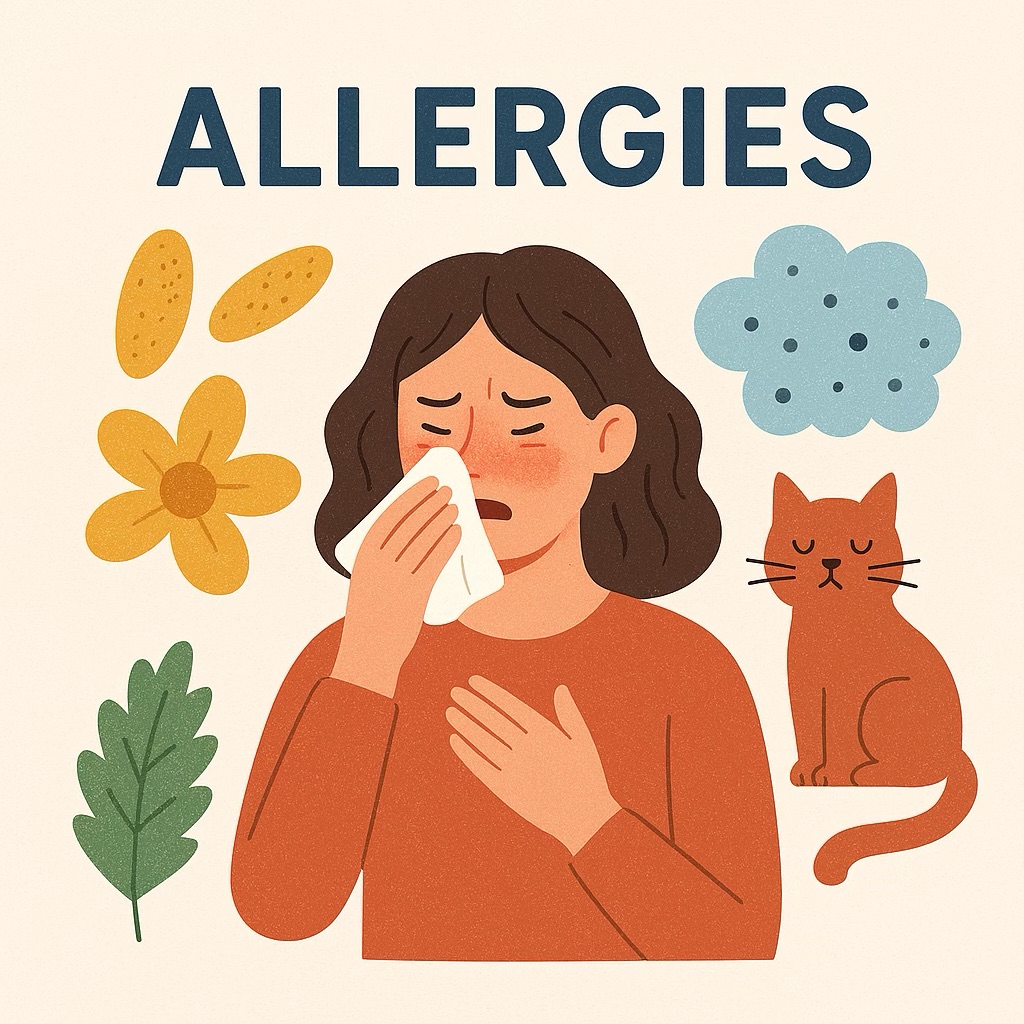
For many people, summer means sunshine, road trips, backyard gatherings, and spending more time outdoors. But for others, the season arrives with itchy eyes, runny noses, constant sneezing, and endless tissues. If you find yourself feeling congested every time summer rolls around, you are not alone. Summer allergies affect millions of people each year and can quickly turn a favorite season into a frustrating one.
So, what exactly are summer allergies?
Allergies happen when the body’s immune system reacts to something that is normally harmless. Instead of ignoring substances like pollen or mold spores, the body treats them as threats and releases chemicals such as histamine. This reaction causes symptoms that can range from mild irritation to more severe discomfort.
While spring often gets most of the attention for allergy season, summer brings its own set of triggers. One of the biggest culprits is grass pollen. As lawns, fields, and plants continue growing during warm weather, pollen levels can rise significantly. People who are sensitive to grass pollen may experience sneezing, itchy throats, watery eyes, congestion, and fatigue.
Weeds can also begin causing trouble during the summer months. Plants such as ragweed may start releasing pollen later in the season, and their effects can continue well into fall. Mold is another hidden trigger. Warm temperatures and humidity create ideal conditions for mold growth outdoors and indoors. Damp basements, gardens, piles of leaves, and even air conditioning systems can contribute to exposure.
Summer activities can also make allergies worse. Camping, gardening, hiking, cutting grass, or spending long periods outside can increase contact with allergens. Even smoke from wildfires or poor air quality can irritate the respiratory system and make allergy symptoms feel more severe.
The good news is that there are ways to reduce exposure. Checking local pollen forecasts before spending time outdoors can help. Keeping windows closed during high-pollen days, showering after outdoor activities, washing bedding regularly, and changing air filters can make a noticeable difference.
It is also important to know the difference between allergies and a cold. Allergies often come with itchy eyes and repeated sneezing but usually do not cause fever. If symptoms persist for weeks and appear around the same time every year, allergies may be the reason.
Summer should be a season to enjoy. Understanding what triggers allergies and taking simple precautions can help people spend less time sneezing and more time making the most of the warmer days ahead.


