
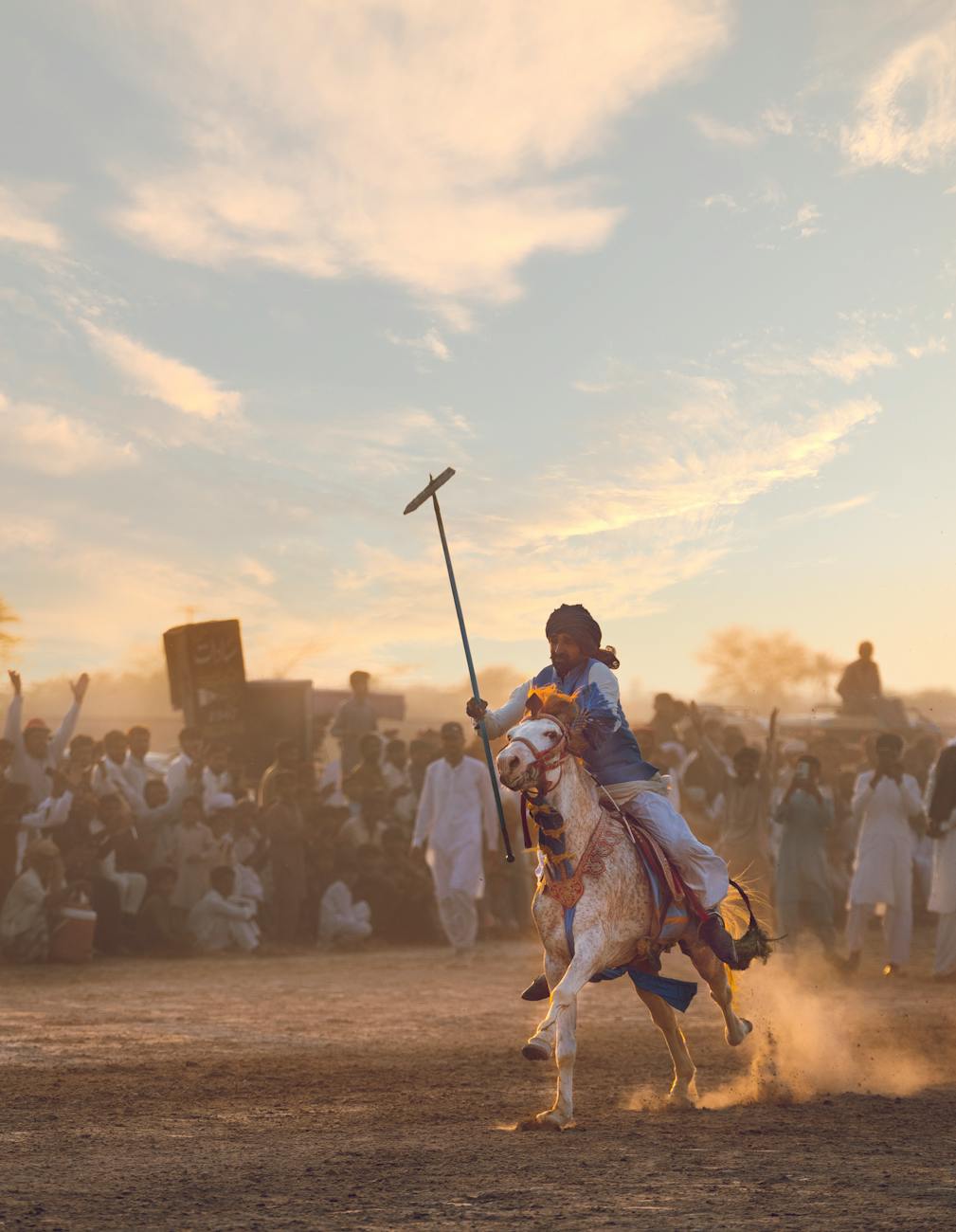
In early 2026, female equestrians across Pakistan are transforming the ancient sport of tent pegging into a symbol of gender equality. Traditionally known as neza baazi, this cavalry sport is witnessing a historic surge in female participation across Punjab and Khyber Pakhtunkhwa. These athletes are competing in regional circuits to demand equal respect, resources, and recognition in a formerly male-dominated arena. This shift marks a significant cultural milestone for women in South Asian sports.
- Female participation in competitive tent pegging has increased by 45% over the last two years.
- New equestrian academies in Lahore and Islamabad now offer specialized training for young girls.
- The 2026 national circuit includes dedicated categories for women to ensure fair competition and visibility.
What is the significance of female tent pegging in 2026?
Tent pegging is a traditional martial sport where a rider gallops a horse at high speeds. The rider must use a lance or sword to pierce a small wooden peg on the ground. For centuries, this sport served as a display of tribal manliness and military prowess in rural Pakistan. Today, women are reclaiming this heritage to demonstrate their physical strength and equestrian skill.
The movement gained momentum as grassroots clubs began welcoming girls into their training programmes. These young riders often train alongside men, shattering long-standing social stigmas regarding female public performance. This trend reflects a broader desire for inclusivity within the Pakistani sporting landscape.
How are women challenging traditional gender roles through neza baazi?
Historically, neza baazi festivals were exclusive gatherings for men in rural villages. Women were often relegated to the role of spectators or were absent from the grounds entirely. By entering the field, female riders are asserting their right to participate in national cultural traditions. They are proving that precision and courage are not gender-specific traits.
Many female riders emphasize that the sport provides a unique sense of empowerment. Controlling a powerful horse at full gallop requires intense focus and physical discipline. These athletes are now becoming role models for a new generation of girls in rural areas. Their presence on the field challenges the notion that certain sports are unsuitable for women.
“The lance does not know the gender of the hand that holds it; it only knows the accuracy of the strike.”
What resources are supporting the growth of female equestrianism?
The growth of female tent pegging is supported by a rise in private investment and local club initiatives. Several equestrian centres have introduced scholarship programmes for talented girls from low-income backgrounds. These programmes provide access to high-quality horses and professional coaching that was previously unavailable. Modern safety gear and standardized training protocols have also made the sport more accessible to newcomers.
Furthermore, the International Tent Pegging Federation has played a crucial role by promoting global standards for the sport. Their recognition of diverse participation encourages local chapters to support female athletes. This international framework provides a pathway for Pakistani women to compete on the world stage. As a result, the technical proficiency of female riders has reached unprecedented levels in 2026.
What are the technical challenges for female riders in this sport?
Mastering tent pegging requires years of rigorous training and a deep bond with the horse. Riders must maintain perfect balance while leaning over the side of a galloping animal. The lance must strike the target with exact timing to successfully remove the peg. For many women, the primary challenge remains consistent access to competitive-grade horses.
Maintaining these horses is expensive and requires significant land and resources. Some female riders have formed cooperatives to share the costs of horse care and transportation. These alliances foster a strong sense of community among athletes. They also ensure that financial barriers do not prevent talented riders from competing.
How is the industry responding to this demographic shift?
The sports equipment industry in Pakistan is adapting to the increasing number of female participants. Manufacturers are now producing lighter lances and ergonomic saddles designed for diverse body types. This shift in the market indicates a long-term commitment to the growth of women’s equestrianism. Sponsors are also beginning to recognize the marketing potential of these trailblazing athletes.
Media coverage of tent pegging events has expanded to include profiles of prominent female riders. This visibility helps attract more fans and financial support to the sport. National broadcasters are now televising women’s matches during prime-time slots. This increased exposure is vital for the sustainability of the movement.
The rise of female tent pegging in 2026 represents a broader evolution of Pakistani society. By mastering the lance and the gallop, these women are securing their place in history. Their success ensures that the future of neza baazi will be defined by talent rather than tradition. Aspiring riders now see a clear path toward national honour and international competition.


