
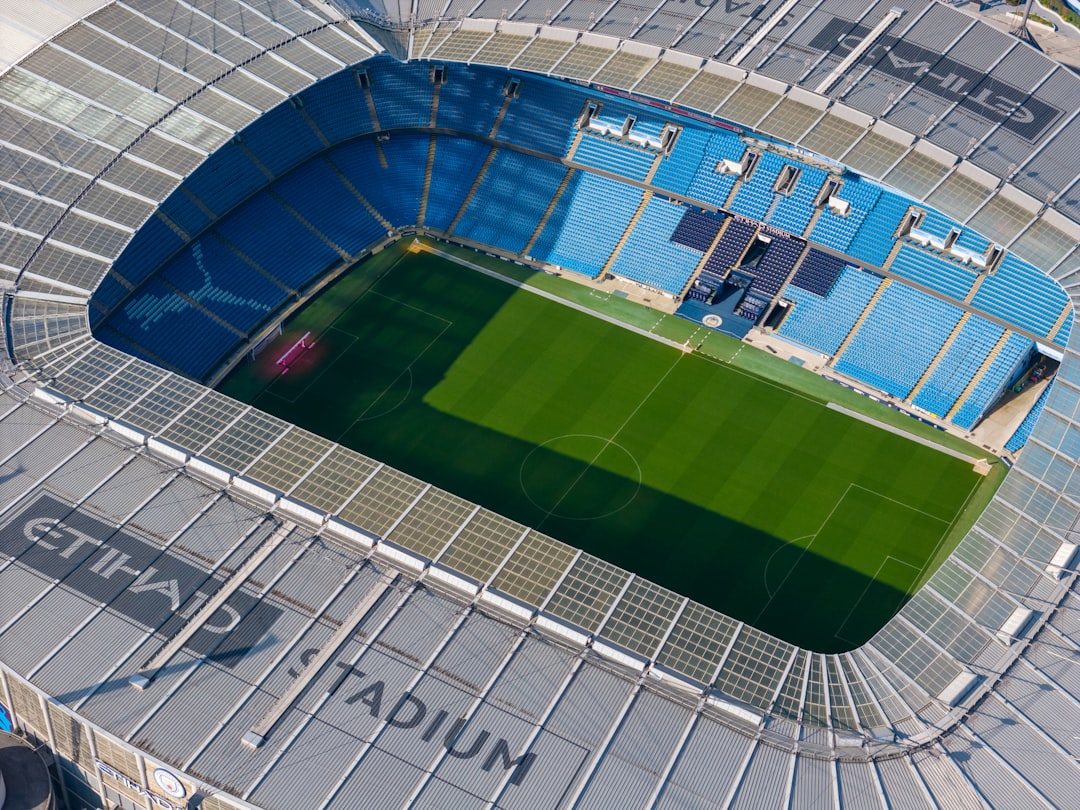
Pep Guardiola officially confirmed his departure from Manchester City today after a decade of unprecedented success at the club. The legendary manager addressed a capacity crowd at the Etihad Stadium following the final match of the 2025-2026 season. He cited the completion of his long-term project as the primary reason for his emotional exit this summer. This announcement marks the conclusion of the most dominant era in the history of English top-flight football. Readers will learn about Guardiola’s tactical legacy and the immediate implications for the Pep Guardiola Manchester City legacy moving forward.
- Guardiola leaves after ten seasons and a record-breaking trophy haul.
- The club has initiated a global search for a successor to maintain tactical continuity.
- Manchester City’s market valuation remains at an all-time high despite the leadership transition.
Why did Pep Guardiola choose to leave in 2026?
Guardiola arrived in Manchester in 2016 with a specific vision for total football. He has now completed ten full seasons, exceeding all initial contract expectations. The manager explained that the club needs a fresh voice to maintain its competitive edge. He noted that his personal energy levels required a period of rest and reflection. The board reportedly offered a rolling extension, but Guardiola declined the proposal last week. He leaves the club with a win percentage that defies historical norms in England.
Sources close to the Spaniard suggest he may take a sabbatical before exploring international management. His departure coincides with the expiration of several key player contracts, signaling a natural transition point. The timing allows the club to rebuild under a new philosophy during the upcoming transfer window. Fans expressed their gratitude with a coordinated mosaic display during the final whistle celebrations today.
How did the Guardiola era transform English football?
Guardiola redefined the tactical expectations of the Premier League during his decade-long tenure. He introduced the concept of inverted full-backs to control the midfield more effectively. His insistence on goalkeepers acting as playmakers changed scouting priorities across the entire division. Many rivals eventually adopted his high-pressing schemes to remain competitive in the title race. This influence extends from the grassroots level to the national team’s tactical approach.
Statistics from the official Premier League statistical database highlight his overwhelming dominance since 2016. He secured multiple titles while breaking the record for total points in a single season. His teams consistently led the league in possession, pass accuracy, and goals scored per game. This consistency allowed Manchester City to become a global sporting powerhouse with a massive commercial reach. The manager’s ability to innovate kept his squad ahead of evolving defensive trends for ten years.
“Pep did more than win trophies; he changed the way we perceive the possibilities of the game.”
What is the immediate impact on Manchester City’s future?
The club now faces the monumental task of replacing a generational coaching talent. Chief Executive Officer Ferran Soriano confirmed that a shortlist of candidates already exists for the role. Names like Xabi Alonso and Ruben Amorim are frequently mentioned by industry analysts and insiders. The new manager must inherit a squad built specifically for Guardiola’s intricate positional play. Maintaining the current culture of excellence will be the primary objective for the board of directors.
Investors are watching the transition closely to see if the club’s commercial growth continues. Manchester City has become one of the most valuable sports franchises in the world under Pep. The academy system also reflects his philosophy, ensuring a pipeline of talent for the next decade. However, the loss of his charismatic leadership could affect the club’s ability to attract top-tier global stars. The summer transfer window will provide the first real test of the post-Guardiola recruitment strategy.
What do experts say about the legacy of this decade?
Football analysts suggest that Guardiola’s greatest achievement was the sustained intensity of his players. He managed to keep a world-class squad motivated after winning every possible domestic and European honour. His tenure saw the development of local talents into international superstars, most notably Phil Foden. The tactical flexibility shown during the 2026 campaign proved he was still innovating until his final day. Experts believe his departure creates a power vacuum that rivals like Arsenal and Liverpool will exploit.
Data points from the last ten years show a significant gap between City and the chasing pack. The club averaged over 90 points per season during his most successful periods at the Etihad. This level of performance forced other clubs to increase their spending and tactical sophistication significantly. The “Pep Effect” has arguably made the Premier League the most technically proficient league in the world. His departure marks the end of a specific style of play that defined an era.
The transition period will likely involve a shift in how the team approaches defensive transitions. While the core principles may remain, a new coach will inevitably bring different tactical preferences. Supporters are encouraged to view this change as an opportunity for evolution rather than a decline. The foundations laid over the last ten years provide a robust platform for continued success. Manchester City remains a destination for the best footballing talent globally, ensuring a bright future ahead.


