
On June 1, 2026, the City of Winnipeg will officially commence the physical decommissioning of the 114-year-old Arlington Bridge. This massive infrastructure project marks the final chapter for the historic steel span that once served as a vital artery between the city’s North End and the central core. Readers will learn about the specific demolition timelines, the technical complexities of working over active rail lines, and the long-term impact of the Arlington Bridge decommissioning on local transit and neighbourhood connectivity.
- Demolition is scheduled to start June 1, 2026, and will last several months.
- The project requires precise coordination with CPKC Rail to ensure safety over active tracks.
- City planners are currently evaluating long-term transit alternatives for the North End corridor.
Why is the decommissioning starting in June 2026?
The decision to dismantle the bridge follows a period of accelerated structural decay that forced its permanent closure in late 2023. City engineers determined that the cost of temporary repairs no longer provided a viable return on investment. The June start date was chosen to take advantage of favourable weather conditions and to align with specific rail traffic windows provided by Canadian Pacific Kansas City (CPKC).
For over a century, the Arlington Bridge stood as a landmark of Winnipeg’s industrial growth. Originally built in 1912, the bridge was never intended to last this long under the weight of modern vehicular traffic. Years of exposure to road salt and extreme Manitoba winters led to significant corrosion of the steel trusses and concrete piers.
How will engineers dismantle a bridge over active rail lines?
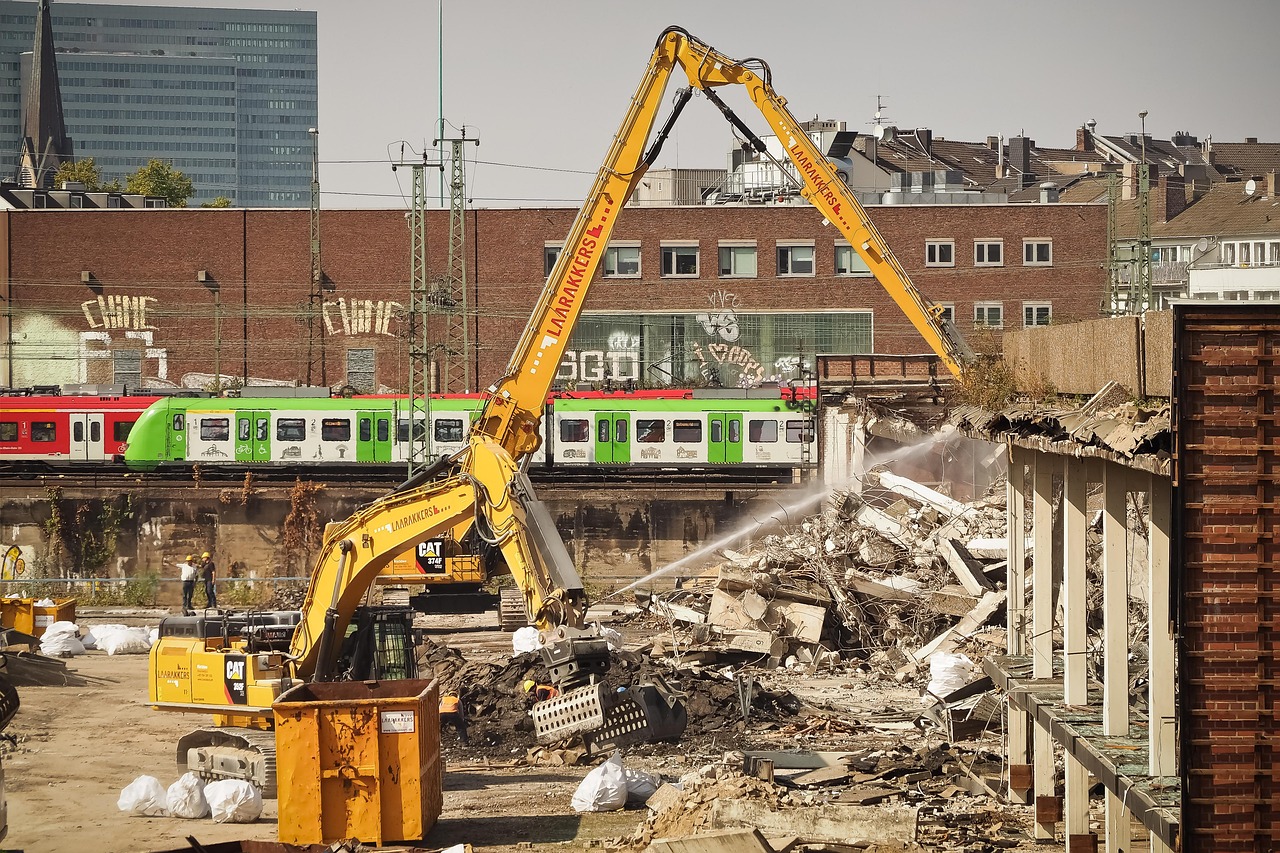
Decommissioning a bridge of this scale is a complex engineering feat, particularly because it spans one of the busiest rail yards in Western Canada. Crews will use a “reverse launch” or piece-by-piece disassembly method. This involves using massive heavy-lift cranes to stabilize sections of the steel lattice while they are cut and lowered to the ground.
Safety protocols are the primary concern for the Public Works department during this phase. According to the City of Winnipeg Public Works department, all demolition activities must be synchronized with rail schedules to prevent debris from falling onto active tracks or interfering with national supply chains. The project will likely require temporary night-time closures of the rail yard to facilitate the removal of the largest central spans.
“The technical challenge lies not just in the height of the structure, but in the unstable nature of century-old steel under tension. Every cut must be calculated to prevent structural shifts during the lifting process.”
Managing environmental and heritage concerns
The decommissioning process also involves significant environmental mitigation. Since the bridge was coated with lead-based paint for decades, specialized containment systems will be used to prevent lead dust from entering the surrounding soil and air. Contractors will employ vacuum-shrouded tools and protective sheeting throughout the demolition zone.
From a heritage perspective, the city has committed to documenting the bridge’s history before it disappears from the skyline. Photogrammetry and 3D scanning have been utilized to create a digital twin of the structure. Some non-structural ornamental elements may be salvaged for future commemorative displays in local parks.
How much will the decommissioning project cost taxpayers?
While the final budget is subject to market fluctuations in scrap steel prices and labour costs, current estimates place the decommissioning project between $15 million and $25 million. This figure includes the cost of site remediation and the removal of the massive concrete abutments that have anchored the bridge for over a century. The city expects to offset a small portion of these costs by recycling the thousands of tonnes of scrap metal salvaged from the site.
Funding for the project is drawn from the city’s multi-year capital budget. Officials have noted that while the cost is high, the risk of an unmanaged structural failure posed a far greater financial and safety liability to the municipality. The removal of the bridge also eliminates ongoing maintenance and inspection costs that had been draining the city’s infrastructure fund.
What are the long-term implications for North End residents?
The permanent removal of the Arlington Bridge significantly alters the traffic landscape of the city. For decades, the bridge carried approximately 13,000 vehicles per day. Its absence has already increased pressure on the McPhillips Street and Salter Street crossings. Residents in the North End must now adjust to a new reality where the direct link to the Health Sciences Centre and the West End is gone.
However, the decommissioning opens the door for a reimagined corridor. Urban planners are investigating the feasibility of a new, modern crossing that could prioritize active transportation and rapid transit. Public consultations are expected to resume in late 2026 to determine if a replacement bridge is financially feasible or if investments should be redirected toward improving existing alternative routes.
As the first cranes arrive on Arlington Street this June, the city moves closer to resolving a long-standing infrastructure crisis. The removal of the bridge is a necessary step in modernizing Winnipeg’s transportation network, ensuring that the land beneath it can safely serve the needs of the 21st-century rail industry. Residents are encouraged to monitor local traffic advisories as the demolition progress will necessitate periodic road closures on the approach ramps throughout the summer months.


