
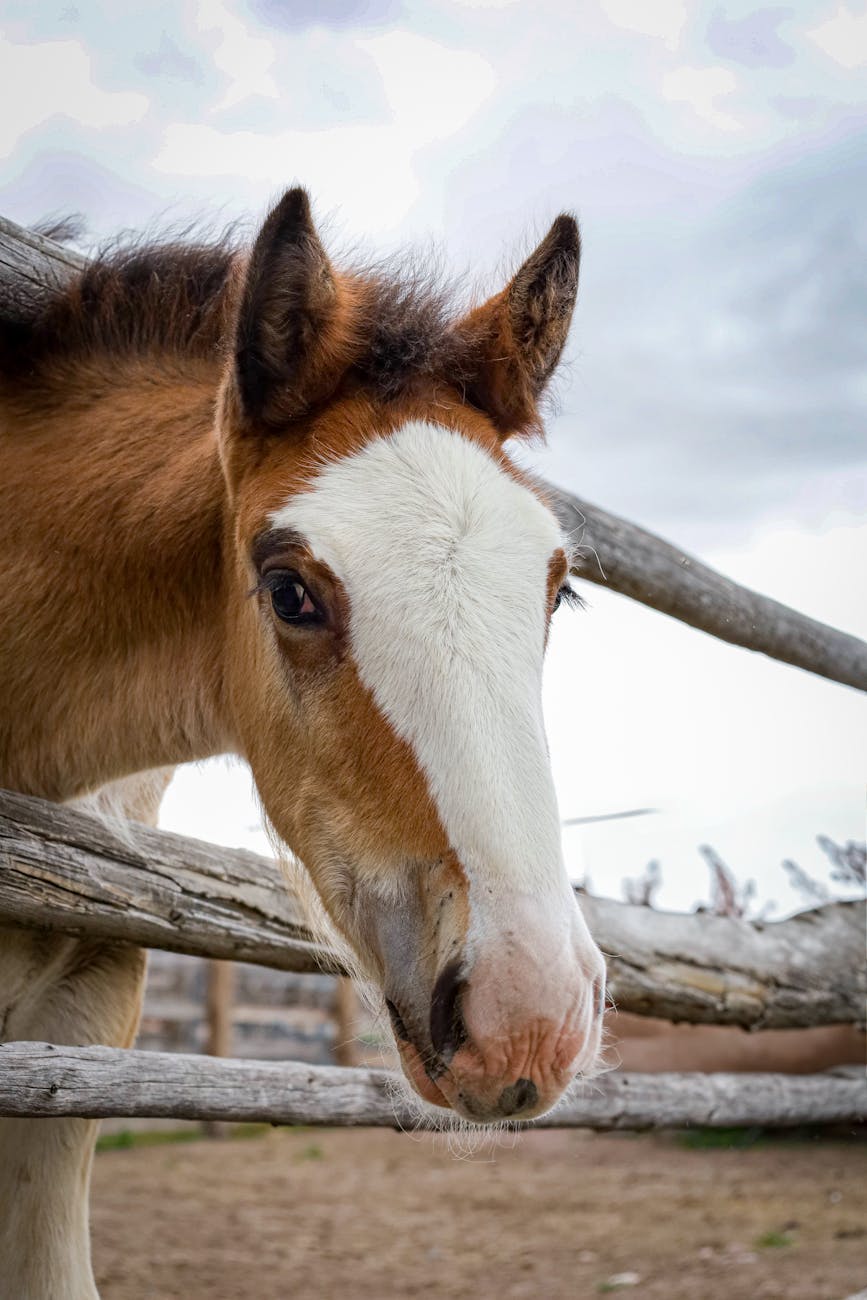
Sagehill Stables in Manitoba celebrated a monumental victory for biodiversity this week with the birth of two rare Ojibwe spirit horses. The arrival of a healthy colt and filly marks a critical step in the ongoing recovery of this endangered breed. These births represent more than just biological success; they serve as a living symbol of Indigenous resilience and reconciliation across the Canadian Prairies. In this article, you will learn about the conservation efforts at Sagehill Stables and the historical significance of the Ojibwe spirit horses Manitoba population.
- Two foals, a colt and a filly, were born at Sagehill Stables to support breed recovery.
- The Ojibwe spirit horse is the only horse breed developed by Indigenous people in North America.
- Conservation efforts have increased the global population from just four mares in the 1970s to nearly 180 today.
The Ojibwe spirit horse, also known as the Lac La Croix Indigenous Pony, holds deep spiritual value for the Anishinaabe people. These animals once lived freely in the forests of Ontario and Minnesota, serving as companions and working partners. However, their numbers plummeted during the mid-20th century due to habitat loss and government-mandated culls. By 1977, the breed faced total extinction with only four mares remaining in the wild.
A daring rescue by four men from the Lac La Croix First Nation saved those final mares. They transported the horses across the frozen border into Minnesota to escape a planned cull. This act of defiance preserved the genetic lineage that allows us to witness these new births today. Modern conservationists now view the survival of these horses as a direct parallel to the survival of Indigenous cultures.
Why is the birth of these foals significant for Manitoba?
The birth of two foals in a single week is an uncommon and hopeful event for Sagehill Stables. Breeding programs for endangered species often face challenges regarding genetic diversity and foal mortality. Having both a male and a female foal ensures future breeding possibilities within the local herd. This balance is vital for maintaining a healthy population without excessive inbreeding.
Staff at the stables report that both foals are nursing well and showing strong vitality. The filly arrived first, followed shortly by the colt a few days later. These young horses possess the characteristic features of the breed, including small, hairy ears and a sturdy build. Their presence in Manitoba provides a unique opportunity for residents to connect with a rare piece of Canadian heritage.
According to data from Rare Breeds Canada, the Ojibwe spirit horse remains one of the most endangered horse breeds in the world. Every successful birth contributes to a larger database of genetic information used by scientists to track the breed’s health. The Manitoba herd plays a pivotal role in this national network of conservationists and Indigenous caretakers.
“The arrival of these foals is a testament to the strength of the breed and the dedication of those who protect them.”
How do these horses support the process of reconciliation?
The return of the spirit horses to Indigenous care is a central theme of reconciliation efforts in Canada. For many years, these horses were separated from the communities that cherished them. Today, programs at Sagehill Stables and other facilities focus on reconnecting Indigenous youth with these animals. This interaction fosters a sense of pride and cultural continuity.
The horses serve as powerful educational tools for all Canadians. They offer a tangible entry point into discussions about history, colonial impact, and environmental stewardship. By visiting the stables, the public can witness the results of collaborative conservation work. This shared experience helps bridge gaps between different communities through a common love for nature.
Furthermore, the horses are often used in therapeutic settings. Their calm temperament and small stature make them ideal for animal-assisted learning. Indigenous Elders frequently emphasize that the horses carry the spirits of the ancestors. Their presence on the land is seen as a healing force for both the people and the environment.
What are the long-term goals for the Manitoba herd?
The long-term vision for the horses at Sagehill Stables involves more than just increasing numbers. Caretakers aim to create a sustainable environment where the horses can thrive in a semi-wild state. This approach helps the animals maintain their natural instincts and hardiness. It also allows researchers to study their unique adaptations to the harsh Canadian winters.
Future plans include expanding educational outreach programs to local schools. These initiatives will focus on the intersection of biology, history, and Indigenous knowledge. By educating the next generation, conservationists hope to ensure the breed never faces the threat of extinction again. The community support in Manitoba remains a driving force behind these ambitious goals.
The birth of the colt and filly this week provides a renewed sense of purpose for everyone involved. As these young horses grow, they will become ambassadors for their breed and their history. Their journey from the brink of extinction to the paddocks of Manitoba is a story of hope that resonates across the country. Supporters are encouraged to follow the progress of the foals as they begin their lives in the heart of the prairies.


