
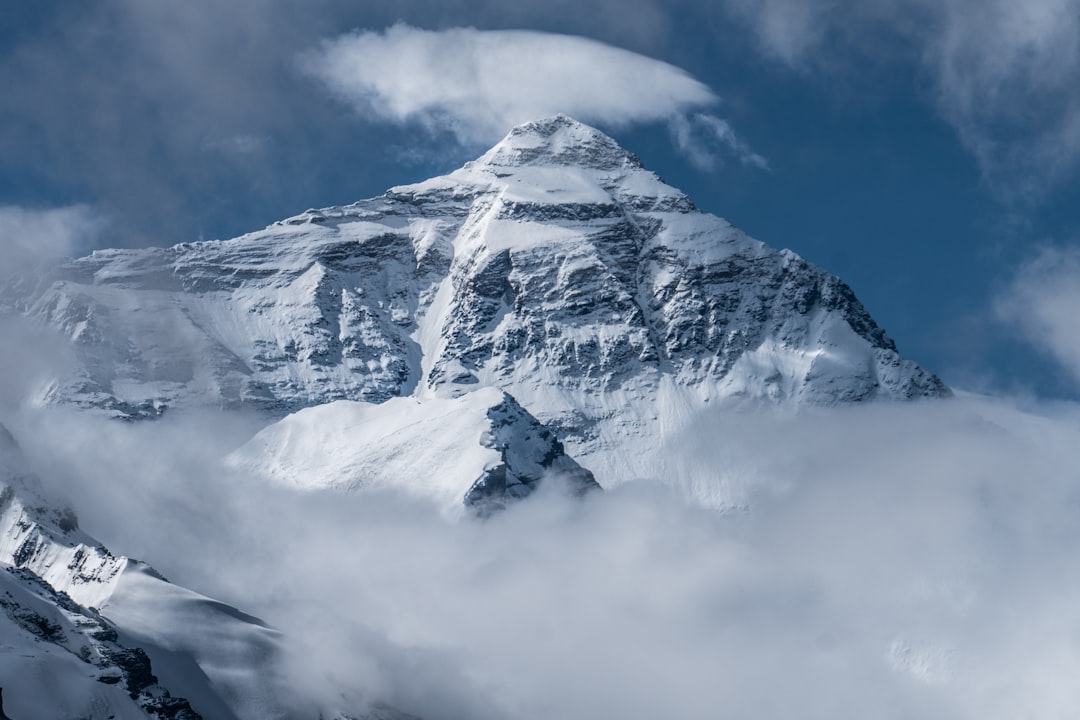
On May 22, 2026, Canadian mountaineer Shaunna Burke reached the 8,848-metre summit of Mount Everest, becoming the first person to do so while living with Stage 4 terminal cancer. This historic ascent from the South Col route in Nepal was not merely a personal milestone but a targeted mission to fund research into the link between oxygen levels and cancer progression. In this article, you will learn about the medical significance of this climb and how Burke’s physiological data is helping oncologists understand tumour behaviour in low-oxygen environments.
- Shaunna Burke is the first climber with terminal cancer to summit the world’s highest peak.
- The expedition raised over $500,000 for research into hypoxia and cancer cell resilience.
- Medical teams monitored Burke’s vitals to study how extreme altitudes affect tumour growth markers.
Burke was diagnosed with terminal cancer in late 2023, a reality that typically ends a professional climbing career. Instead of retreating, she leveraged her experience as a high-altitude athlete to bridge the gap between mountaineering and oncology. Her 2026 expedition focused on the concept of hypoxia, a state where the body is deprived of adequate oxygen supply at the tissue level.
How does high-altitude hypoxia affect cancer research?
The primary scientific driver of this expedition was the study of how cancer cells adapt to low-oxygen environments. In a clinical setting, tumours often create hypoxic zones that are resistant to traditional radiation and chemotherapy. By climbing into the “Death Zone” above 8,000 metres, Burke provided a unique living laboratory for researchers to observe extreme physiological stress.
Research published by the National Cancer Institute indicates that understanding how cells respond to varying oxygen levels is crucial for developing new treatment protocols. Burke wore advanced wearable sensors that transmitted real-time data to a medical team in Calgary. These sensors tracked her blood oxygen saturation, heart rate variability, and metabolic markers as she ascended into thinner air.
Dr. Aris Thorne, a lead researcher on the project, noted that the data collected is unprecedented. Most studies on hypoxia occur in controlled laboratory settings or pressurized chambers. Burke’s climb offered a look at how a body fighting Stage 4 cancer manages the extreme atmospheric demands of the Himalayas.
What were the logistical challenges of this 2026 ascent?
Climbing Everest requires peak physical conditioning, which is difficult to maintain while undergoing palliative treatments. Burke and her team spent eighteen months preparing, using a specialized training regimen that balanced high-intensity intervals with recovery cycles. Her medical team adjusted her treatment schedule to ensure her immune system was robust enough for the journey.
The team utilized a high-flow supplemental oxygen system designed to maintain her vitals within a safe margin. However, the physical toll remained immense. Burke reported that the final push from Camp IV to the summit took nearly twelve hours of continuous labour. Every step required a conscious effort to manage her breathing and energy reserves.
“The goal was never just the summit; it was about showing that a diagnosis does not define the limits of human capability,” Burke stated via satellite phone shortly after her descent to Base Camp.
How will this expedition impact future oncology research?
The funds raised through this climb will go directly toward clinical trials investigating oxygen-mimetic drugs. These medications aim to trick cancer cells into behaving as though they are in an oxygen-rich environment, potentially making them more susceptible to treatment. This approach could revolutionize care for patients with solid tumours that are currently difficult to treat.
Furthermore, the psychological impact on the global cancer community is significant. Burke’s achievement challenges the traditional narrative of terminal illness as a period of total physical decline. Patient advocacy groups are already using her story to push for more inclusive clinical trials that focus on quality of life and physical activity.
By documenting her journey, Burke has provided a roadmap for other patients seeking to maintain an active lifestyle. Her team plans to release a full medical report later this year, detailing the correlations between her altitude exposure and her tumour markers. This data will be shared with international research bodies to foster a better understanding of cellular adaptation.
What does this mean for the future of extreme sports and medicine?
The intersection of extreme sports and medical science is a growing field. Burke’s climb demonstrates that with the right medical support and technological integration, individuals with chronic or terminal conditions can participate in high-stakes activities. This shift encourages a more personalized approach to medicine where the patient’s goals drive the treatment plan.
As technology in wearable health monitors continues to advance, we can expect more athletes to contribute to scientific datasets. Burke has set a high bar for what is possible, turning a personal tragedy into a source of global inspiration and scientific advancement. Her journey serves as a reminder that the boundaries of medicine and human endurance are constantly expanding.
The data from the 2026 Everest expedition will continue to be analyzed throughout the coming months. For patients and researchers alike, the legacy of this climb lies in the new questions it asks about the resilience of the human body. Burke’s successful return to Base Camp marks the beginning of a new chapter in how we perceive the possibilities of living with cancer.


