
In 2026, the international community is facing a significant reckoning regarding the global arms trade and export transparency. Recent investigations have confirmed that 51 countries and territories provided military-related goods to Israel throughout the Gaza conflict, challenging the narrative that supply chains were limited to a few major powers. This widespread involvement has prompted a wave of legal challenges and policy reviews across North America, Europe, and Asia. Readers will learn about the complex web of international defence exports, the legal frameworks governing these transfers, and how 2026 marks a turning point for global arms trade accountability.
- Investigations identify 51 nations as active contributors to military-related supply chains.
- Legal scrutiny is shifting from final assembly manufacturers to component and software providers.
- New 2026 transparency mandates are closing loopholes for “dual-use” technology exports.
The revelation of a 51-nation supply network has shifted the focus of international monitors. Previously, public attention centred almost exclusively on the United States and its direct military aid packages. However, the data shows a much more fragmented and globalized production model for modern weaponry. This context is essential for understanding why current legal actions are targeting diverse jurisdictions, from small tech hubs in Europe to resource-rich nations in the Global South.
How did 51 nations sustain the regional defence supply chain?
The supply chain involved more than just finished tanks or missiles. It included a vast array of components, including sensors, circuit boards, and specialized software. Many of these items fall under the category of “dual-use” goods, which can be used for both civilian and military purposes. This classification allowed many countries to maintain exports while avoiding the strict oversight usually applied to lethal weaponry.
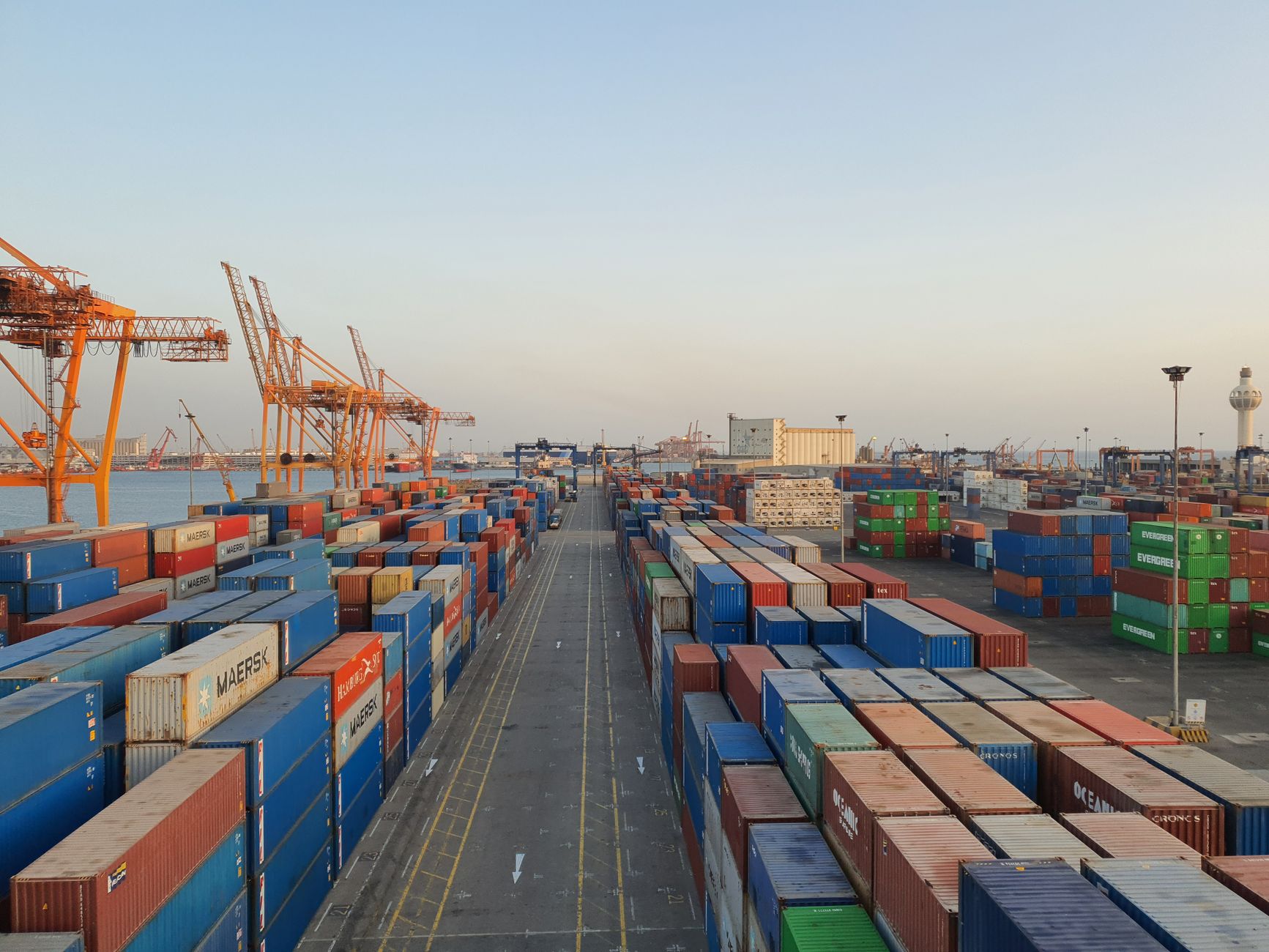
Logistical data suggests that these goods moved through a series of intermediary hubs. This obscured the final destination of the products for months. Investigative journalists and non-governmental organizations used satellite tracking and port records to piece together these routes. They discovered that components from as far as East Asia and South America eventually integrated into systems used in the conflict zone.
“The modern weapons system is rarely the product of a single nation; it is a globalized assembly of parts that makes accountability difficult to pin down,” states a 2026 report on international security.
What legal frameworks govern these international arms transfers?
The primary international mechanism for regulating this trade is the Arms Trade Treaty (ATT). This treaty requires member states to assess whether their exports will contribute to human rights violations or breach international humanitarian law. However, the 2026 findings suggest that enforcement remains inconsistent across different signing parties. Many nations argue that their exports were part of pre-existing contracts that could not be easily terminated without severe economic penalties.
International courts are now examining whether these economic justifications hold up under the United Nations Arms Trade Treaty standards. Legal experts suggest that the sheer number of participating countries complicates the process of assigning individual state responsibility. This has led to a push for a more unified international monitoring system that can track components in real-time.
Why is transparency in military exports increasing in 2026?
Public pressure in 2026 has reached a boiling point, forcing governments to be more transparent. Citizens are demanding to know if their local industries are contributing to global instability. In response, several European nations have introduced “end-use” certificates that are more stringent than ever before. These documents require exporters to prove that their technology will not be repurposed for combat operations.
The tech sector is also facing new pressures. Software developers whose code is used in targeting systems are being held to similar standards as traditional arms manufacturers. This shift reflects the changing nature of warfare, where data and algorithms are as critical as physical ammunition. In Canada and the UK, new legislative updates are specifically targeting the export of artificial intelligence tools used in military surveillance.
Data from 2025 and early 2026 indicates that several countries have already suspended export licences to the region. For instance, some Nordic countries have halted all dual-use electronics shipments. These actions serve as a precedent for other nations currently reviewing their trade agreements. The economic impact is significant, as the global defence market is worth billions of dollars annually.
How will these revelations change the future of the defence industry?
The primary implication for the industry is a move toward “onshoring” or “friend-shoring.” Countries are looking to bring their supply chains closer to home or within trusted alliances to avoid legal and ethical complications. This could lead to a more bifurcated global market, where trade blocks operate under different sets of human rights standards. Smaller nations that previously acted as component suppliers may find themselves excluded from larger contracts if they cannot meet new transparency requirements.
Furthermore, the role of independent auditors is expanding. Corporations are hiring third-party firms to vet their supply chains for any links to conflict zones. This trend mirrors the rise of environmental, social, and governance (ESG) reporting in other sectors. Defence firms now realize that ethical lapses in their supply chain can lead to massive divestments from major pension funds and institutional investors.
The discovery of 51 nations contributing to a single conflict has permanently altered the landscape of international trade. Governments can no longer claim ignorance of where their locally produced components end up. As 2026 progresses, the focus will remain on codifying these transparency measures into national laws. This ensures that the global arms trade operates within a framework of clear, enforceable, and ethical boundaries that prioritize regional stability over short-term economic gain.


