
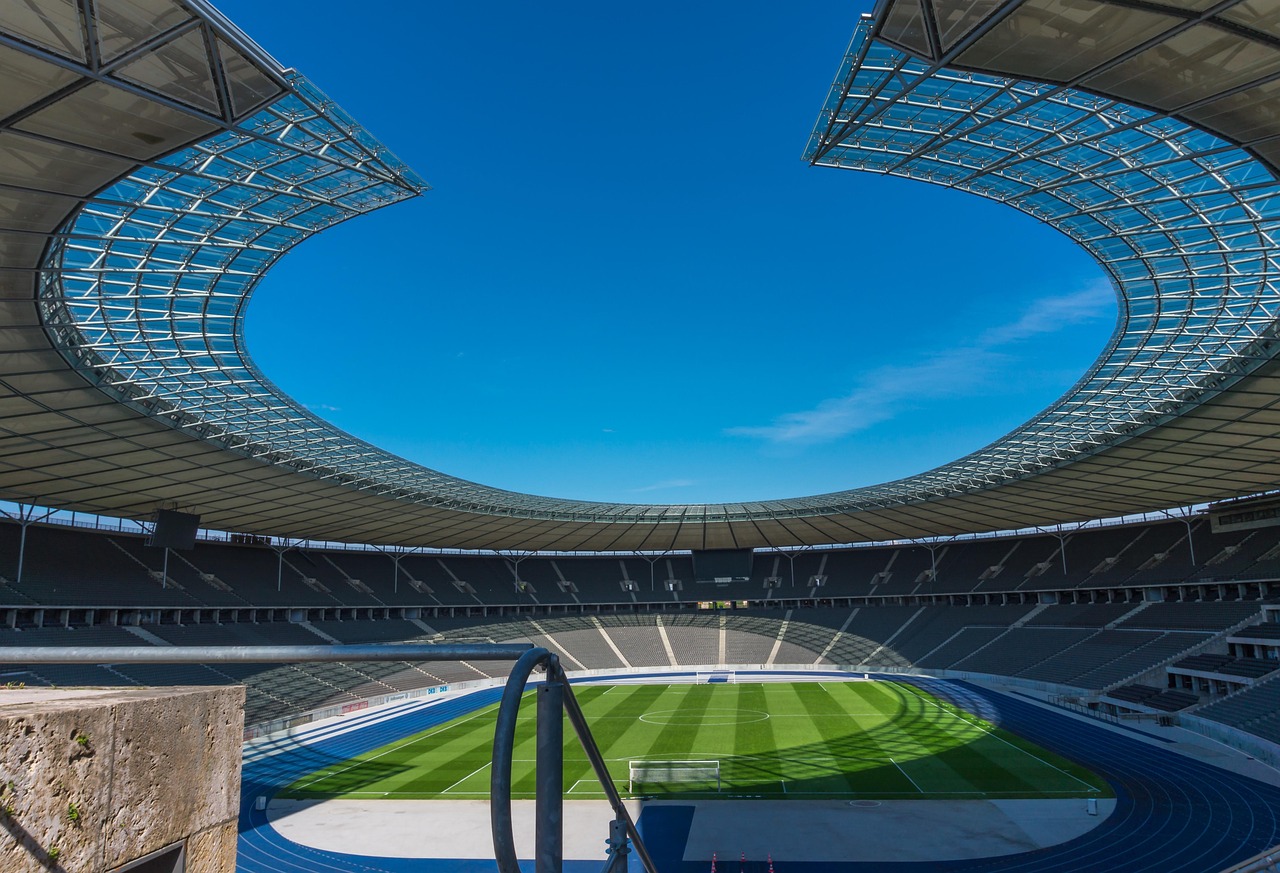
REGINA — The Saskatchewan Roughriders finalized their 2026 opening-day roster on Saturday at Mosaic Stadium, making the surprising decision to release running back Mario Anderson Jr. as part of their final cuts. This high-stakes move comes just days before the defending Grey Cup champions begin their quest for a consecutive title. The coaching staff opted for a younger, more versatile backfield, signaling a shift in the team’s offensive philosophy for the upcoming season.
- Mario Anderson Jr. was a surprise cut despite his previous contributions to the team’s championship run.
- The Riders are prioritizing speed and special teams versatility in their 2026 backfield depth.
- Saskatchewan’s offensive strategy is shifting toward a more pass-heavy approach under the current coaching regime.
In this report, you will learn the details behind the Saskatchewan Roughriders roster cuts 2026 and how the departure of Mario Anderson Jr. reshapes the team’s championship aspirations. We explore the statistical trends influencing these decisions and provide expert insight into the team’s new offensive identity. This roster overhaul represents the most significant change to the squad since their victory in the 112th Grey Cup.
Why did the Roughriders move on from Mario Anderson Jr.?
The decision to cut a veteran of Anderson Jr.’s calibre rarely hinges on a single factor. During the 2026 training camp, internal reports suggested that the coaching staff wanted more explosive playmaking ability from the tailback position. While Anderson Jr. provided reliable short-yardage gains, his yards-after-contact metrics dipped slightly during the pre-season. The team is now looking for backs who can contribute effectively in the passing game and on special teams coverage units.
Financial considerations also played a pivotal role in the front office’s decision-making process. As the club manages a championship-winning roster, the CFL official transactions and salary cap regulations require difficult choices regarding veteran contracts. By releasing Anderson Jr. now, the Riders gain significant cap flexibility to address potential injuries or mid-season acquisitions. This move allows the team to allocate resources toward a maturing receiving corps and a high-priced defensive line.
How does this impact the Riders’ 2026 offensive strategy?
Saskatchewan’s offence is expected to transition into a more dynamic, multi-back system that emphasizes speed over pure power. Without a traditional bell-cow back like Anderson Jr., the offensive coordinator will likely employ a committee approach. This strategy aims to keep players fresh while making it harder for opposing defences to predict play-calling based on personnel. The 2026 playbook features more screens and swing passes designed to get athletes into open space quickly.
“Modern CFL offences require running backs who are essentially wide receivers with better blocking skills,” noted one league scout during the pre-season. “The Riders are clearly following the trend of prioritizing lateral agility and vertical threat potential over traditional north-south bruising styles.”
Data from the 2025 season showed that the Riders were most successful when utilizing running backs as receiving threats out of the backfield. Offensive analytics revealed that Saskatchewan averaged significantly more yards per play when employing spread formations that created mismatches against linebackers. The coaching staff appears committed to building on that success, even if it means parting ways with experienced veterans.
Quarterback continuity also plays a role in the evolving offensive scheme. With the Riders returning much of their championship-winning passing attack, the organization believes it can place greater emphasis on aerial production while using the running game strategically to complement the passing offence. The result is an offensive philosophy centered on efficiency, versatility, and creating explosive plays.
Who is expected to fill the void in the backfield?
The departure of Anderson Jr. opens opportunities for several younger players who impressed during training camp and preseason action. Coaches were particularly encouraged by the speed and adaptability demonstrated by emerging running backs competing for roster spots. Their ability to contribute on kick coverage, return units, and passing downs made them attractive options as the team finalized its roster.
Among the players expected to receive increased opportunities are recent draft selections and younger imports who showcased their versatility throughout camp. These athletes bring a different skill set compared to Anderson Jr., emphasizing acceleration and open-field playmaking rather than traditional power running.
Special teams coordinator evaluations reportedly carried substantial weight during final roster deliberations. In today’s CFL, where roster spots are limited, players who can contribute in multiple phases of the game provide exceptional value. Saskatchewan’s coaching staff repeatedly emphasized that versatility would be a deciding factor when determining the final roster.
The organization remains confident that its running back room possesses sufficient depth to absorb the loss of Anderson Jr. While replacing his experience may be difficult, the coaching staff believes the collective contributions of multiple players can offset the departure of a single veteran.
What does this mean for Saskatchewan’s Grey Cup defence?
Every championship team faces difficult personnel decisions following a title-winning season. Salary cap pressures, player development priorities, and evolving strategic philosophies often force organizations to make emotional but necessary choices. The Roughriders are no exception.
By moving toward a younger roster, Saskatchewan hopes to maintain competitiveness throughout the long CFL season while preserving flexibility for future roster adjustments. Management believes that investing in emerging talent now will pay dividends later in the year when injuries and fatigue inevitably test roster depth.
The Riders’ defence, which played a crucial role in securing the Grey Cup last season, remains largely intact. Combined with an experienced quarterback group and a strong receiving corps, the team still enters the season as one of the league’s top contenders. However, the loss of Anderson Jr. removes a reliable option in short-yardage and clock-management situations, placing additional pressure on younger players to perform immediately.
Success will ultimately depend on whether the new offensive approach can maintain balance. If Saskatchewan’s running backs prove effective in both the rushing and passing game, the offence could become even more difficult to defend than it was during the championship campaign. Conversely, a lack of consistency on the ground could expose vulnerabilities against elite defensive fronts.
Reaction from fans and analysts
News of Anderson Jr.’s release generated considerable discussion among Riders supporters across social media and sports talk programs. Many fans expressed surprise given his contributions during key stretches of the previous season. Others acknowledged that roster construction in a salary-capped league often requires organizations to prioritize long-term planning over sentiment.
League analysts were divided on the decision. Some viewed the move as a calculated gamble designed to modernize the offence and maximize roster flexibility. Others questioned whether releasing a proven veteran before the season opener introduced unnecessary risk for a team attempting to repeat as champions.
Despite differing opinions, most observers agreed that the move reflects the confidence Saskatchewan’s coaching staff has in its player development system. By trusting younger talent with larger roles, the organization is signaling its belief that the next generation of contributors is ready to step forward.
Looking ahead to opening day
With final cuts complete, the Roughriders can now turn their attention to the start of the 2026 CFL season. The opening weeks will provide the first real test of whether the organization’s roster decisions were justified. Coaches will closely monitor the effectiveness of the revamped backfield and evaluate how the new offensive structure performs against regular-season competition.
For Mario Anderson Jr., the release likely represents the beginning of a new chapter rather than the end of his professional football journey. Experienced running backs with proven CFL production often attract interest from teams seeking depth and leadership, and it would not be surprising to see him receive opportunities elsewhere around the league in the coming weeks.
For Saskatchewan, the decision marks a bold step forward in its pursuit of sustained success. The Roughriders have chosen youth, versatility, and long-term flexibility over familiarity. Whether that gamble strengthens their chances of defending the Grey Cup will become one of the most closely watched storylines of the 2026 CFL season.
As the champions prepare to take the field once again, all eyes will be on how effectively the new-look roster responds to heightened expectations. The release of Mario Anderson Jr. may be one of the defining personnel decisions of Saskatchewan’s title defence, and its impact could resonate throughout the season.


