
Residents from British Columbia to Manitoba are bracing for a volatile weekend of extreme weather patterns in Western Canada, as simultaneous alerts for heat, smoke, and flooding remain in effect through Sunday. This multi-hazard event, driven by a persistent high-pressure ridge clashing with a moisture-heavy Pacific front, requires immediate public attention and strategic planning. In this article, you will learn how to navigate these conflicting conditions, understand the meteorological drivers behind these 2026 climate trends, and identify specific safety measures for your region.
The current atmospheric setup presents a rare convergence of environmental stressors that challenge infrastructure and public health. Meteorologists note that the intensity of these events reflects a broader shift in seasonal variability across the western provinces.
- Heat warnings cover the B.C. interior, with temperatures exceeding seasonal norms by 10 degrees Celsius.
- Air quality advisories are active across Alberta and Saskatchewan due to shifting wildfire smoke plumes.
- Heavy rainfall and localized flooding risks persist for coastal regions and parts of southern Manitoba.
How is the 2026 heat dome impacting British Columbia?
A stationary ridge of high pressure has settled over the British Columbia interior, trapping warm air and creating a “heat dome” effect. Communities in the Okanagan and Thompson regions are seeing daytime highs reaching 38 degrees Celsius. These temperatures do not drop significantly at night, preventing the body from cooling down effectively.
Health officials have issued reminders to check on vulnerable neighbours and elderly residents during these peak hours. The lack of overnight recovery time increases the risk of heat-related illnesses like heat exhaustion and heatstroke. Local cooling centres have extended their hours to accommodate those without air conditioning.
Agricultural sectors are also feeling the strain as the intense heat accelerates crop ripening but also increases water demand. Farmers are adjusting irrigation schedules to preserve moisture while protecting sensitive fruit crops from sun scald. This heat is also contributing to a rapidly drying forest floor, heightening the regional fire risk.
Why are wildfire smoke and air quality reaching critical levels?
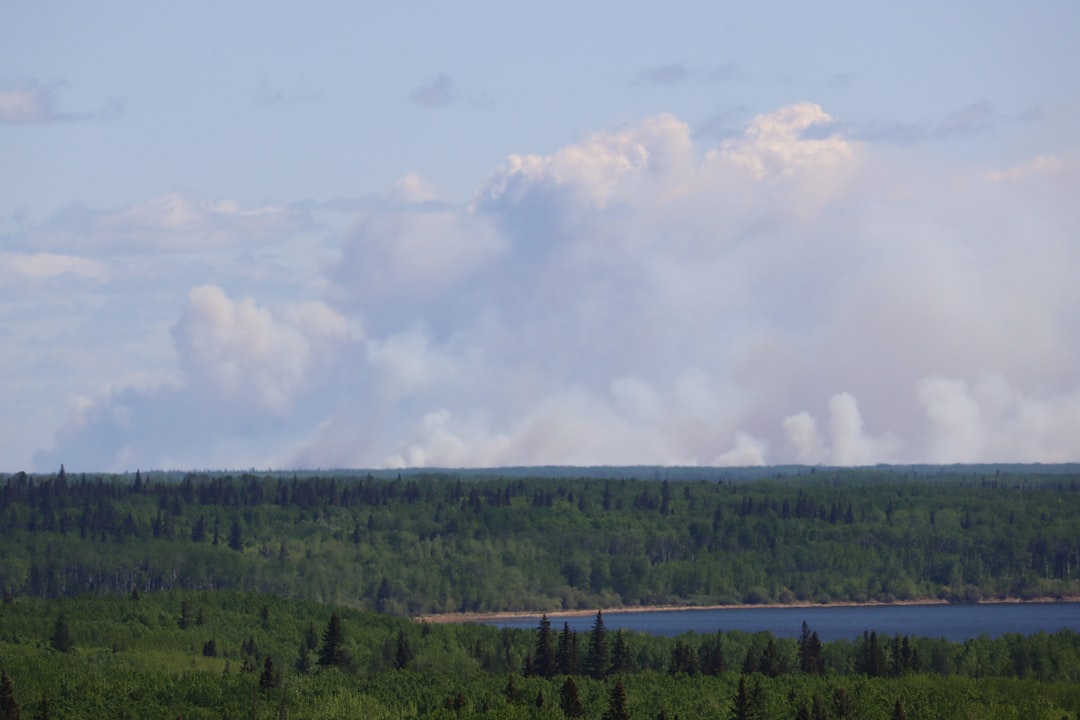
Wildfire activity in northern regions has produced significant smoke plumes that are now drifting south across the Prairies. Alberta and Saskatchewan are reporting Air Quality Health Index (AQHI) levels at 10 or higher, which signifies a “high risk” category. This haze reduces visibility on highways and creates respiratory challenges for many residents.
“The combination of high heat and particulate matter from smoke creates a synergistic effect that stresses the cardiovascular system more than either factor alone.”
Official weather alerts and safety protocols are managed by Environment and Climate Change Canada, which provides real-time updates for all affected provinces. Residents should monitor these updates frequently, as wind shifts can move smoke into urban centres with very little warning.
To mitigate exposure, experts recommend keeping windows closed and using high-efficiency particulate air (HEPA) filters in HVAC systems. If you must be outdoors, N95 masks can help filter out the fine particulate matter known as PM2.5. Reducing strenuous outdoor activity is essential until the smoke clears or shifts.
What are the flooding risks for the Prairies and the Coast?
While the interior bakes, the B.C. coast and parts of Manitoba are facing an opposite threat: excessive moisture. An atmospheric river is funnelling Pacific moisture into the coastal mountains, leading to rapid runoff. This situation is particularly dangerous in areas previously affected by wildfires, where the soil cannot absorb water efficiently.
In Manitoba, slow-moving thunderstorms are dumping up to 100 millimetres of rain in isolated areas within short timeframes. This has led to flash flooding warnings for low-lying communities and urban centres with aging drainage systems. Local authorities are distributing sandbags to residents in high-risk zones near riverbanks.
Hydrologists are monitoring river gauges closely as the combination of rain and lingering snowmelt at high elevations increases flow rates. They warn that small creeks can transform into raging torrents in less than an hour. Motorists should avoid driving through any standing water on roadways, as the depth is often deceptive.
What do these compound weather events mean for the future?
The occurrence of heat, smoke, and flooding simultaneously is becoming a hallmark of the mid-2020s climate profile. These compound events create complex challenges for emergency management services that must allocate resources across multiple fronts. For example, fire crews may be diverted to assist with flood evacuations, stretching thin the available personnel.
Urban planning is now shifting to address these multi-hazard scenarios through better infrastructure resilience. This includes expanding green spaces to absorb rainwater and increasing the number of “clean air shelters” in cities. Long-term data suggests that Western Canada will continue to see these extreme fluctuations as atmospheric patterns become more erratic.
Insurance industries are also taking note of these trends, with rising premiums for properties in flood-prone or fire-adjacent areas. Homeowners are encouraged to perform “FireSmart” assessments and ensure their sump pumps are operational before the storm season begins. Preparation is the most effective tool for reducing property damage and personal risk.
Staying informed through local news and government alerts remains the primary defence against these rapidly changing conditions. By understanding the specific risks in your area—whether it is the rising heat in Kamloops or the rising waters in Winnipeg—you can make proactive decisions for your family. Keeping an emergency kit ready and having a communication plan ensures you are prepared for whatever the weather brings this weekend.


