
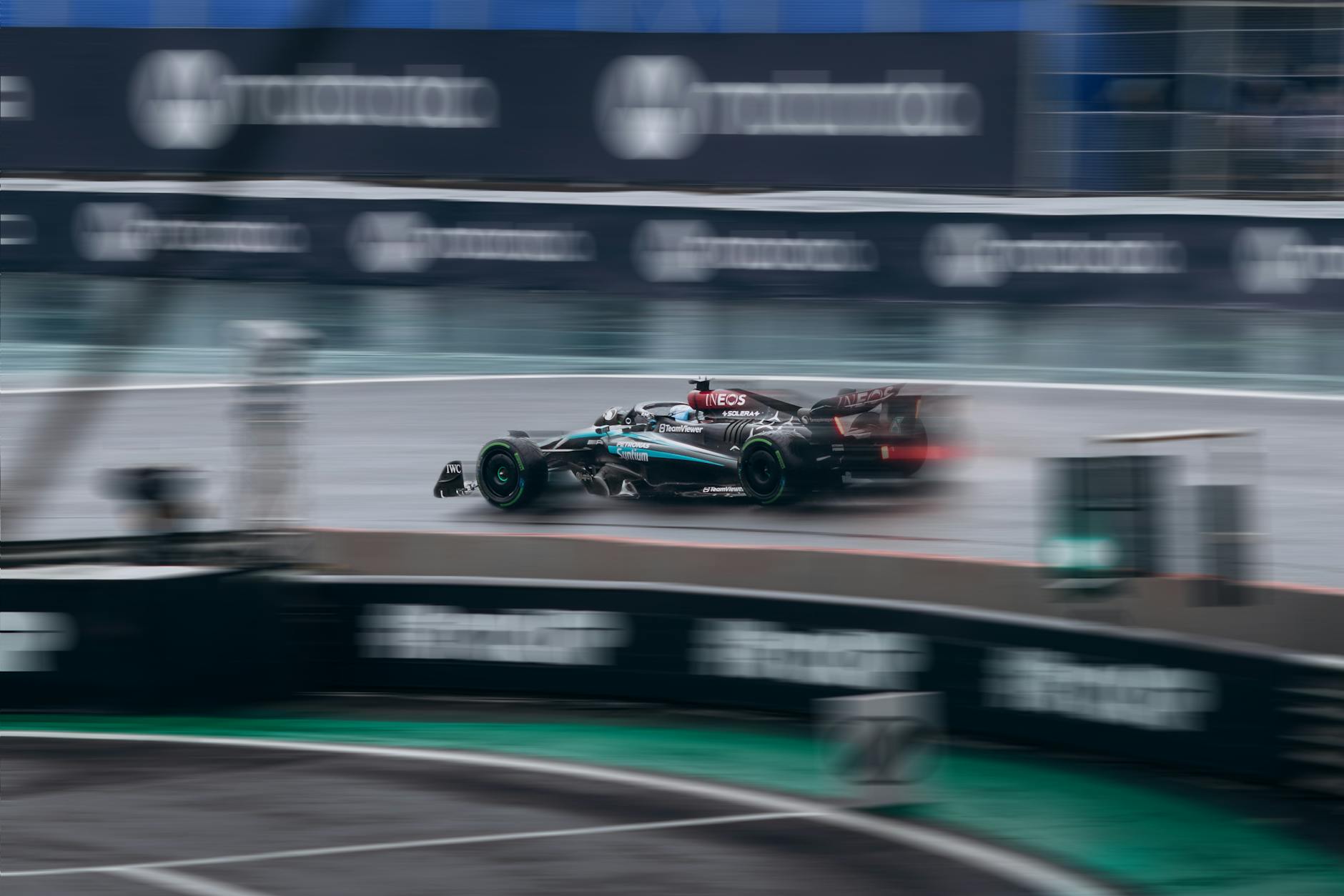
Kimi Antonelli delivered a masterclass on the streets of Monte Carlo today, securing pole position for the 2026 Monaco Grand Prix. The Mercedes-AMG PETRONAS driver and current championship leader produced a record-breaking lap during the final moments of Q3 on Saturday afternoon. This achievement marks the first time an Italian driver has topped qualifying in the Principality since Jarno Trulli’s victory for Renault in 2004. Readers will learn how the 19-year-old rookie navigated the technical demands of the Monte Carlo street circuit to secure his Monaco Grand Prix pole position and what this means for the 2026 title race.
- Kimi Antonelli becomes the first Italian pole-sitter in Monaco in 22 years.
- The Mercedes driver extended his theoretical championship advantage by securing the prime starting slot.
- Technical refinements to the Mercedes W17 chassis proved superior in low-speed traction sections.
How did Antonelli secure the ‘magic lap’ in Monte Carlo?
The qualifying session began under clear skies with track temperatures reaching 42 degrees Celsius. Antonelli showed consistent pace through Q1 and Q2, but his final run in Q3 stunned the paddock. He found three-tenths of a second in the final sector alone, brushing the barriers at the Swimming Pool chicane. This aggressive approach allowed him to edge out Max Verstappen by a narrow margin of 0.045 seconds.
Monaco remains the most difficult track for overtaking in modern Formula 1. Consequently, the pole position is often the deciding factor for Sunday’s race result. Antonelli’s ability to manage his soft-compound tyres throughout the warm-up lap ensured maximum grip for the Sainte-Dévote climb. His performance validates Mercedes’ decision to promote him directly from junior categories to replace Lewis Hamilton.
The 2026 season introduced radical changes to car dimensions and power unit regulations. These smaller, lighter cars are designed to improve racing on tight circuits like Monaco. Mercedes appears to have mastered the new active aerodynamics systems better than their rivals at Ferrari and Red Bull Racing. According to the official FIA technical regulations, the reduction in car width was intended to revitalise street circuit competition.
What historical significance does this Italian success hold?
Italy has long awaited a successor to the golden era of the early 2000s. Since Jarno Trulli took pole and the win in 2004, no Italian driver had seriously challenged for the top spot in Monaco. Antonelli’s rise represents a cultural shift in Italian motorsport, which has recently struggled to produce top-tier F1 talent. His presence at Mercedes, rather than Ferrari, adds a unique layer to the national narrative.
Data from the session shows that Antonelli was the only driver to take the Tabac corner flat-out. This bravery resulted in a lateral G-force peak that surpassed all previous records for the current car generation. Mercedes engineers noted that the driver’s input in the slow-speed Rascasse corner was the cleanest they had seen in a decade. Such precision is mandatory on a track where a five-millimetre error ends a driver’s day.
“The car felt like it was on rails today. I knew the final sector was where I had to take the risk, and the feedback from the steering was perfect,” Antonelli stated during the post-qualifying press conference.
How does this impact the 2026 World Championship standings?
Antonelli entered the weekend with a slim 12-point lead over McLaren’s Lando Norris. By securing pole, he puts himself in the best possible position to extend that lead significantly. The psychological impact of a rookie dominating the sport’s most prestigious qualifying session cannot be overstated. His rivals now face the daunting task of finding a strategy to bypass him in a race where track position is king.
Mercedes Team Principal Toto Wolff highlighted the importance of mechanical reliability for tomorrow’s race. The 2026 power units feature increased electrical output, which places immense strain on the cooling systems during slow-speed laps. If the silver cars can maintain thermal efficiency, Antonelli is the clear favourite for the win. The team has focused heavily on energy recovery systems (ERS) deployment on the short bursts between Monaco’s 19 corners.
Looking ahead to Sunday, the forecast remains dry, which favours the pole-sitter. Strategy will likely revolve around a single pit stop, transitioning from soft to hard tyres around lap 25. Antonelli’s smooth driving style during long runs suggests he can manage tyre degradation better than his immediate pursuers. If he clears the first corner safely, he will be well on his way to a historic victory.
Success in Monaco requires a combination of raw speed and mental fortitude. Kimi Antonelli has demonstrated both throughout this weekend, proving that his championship lead is no fluke. As the lights go out tomorrow, the eyes of the sporting world will be on the young Italian to see if he can convert this historic pole into a career-defining win. Fans can expect a strategic battle where precision and patience will determine the next King of the Principality.


