
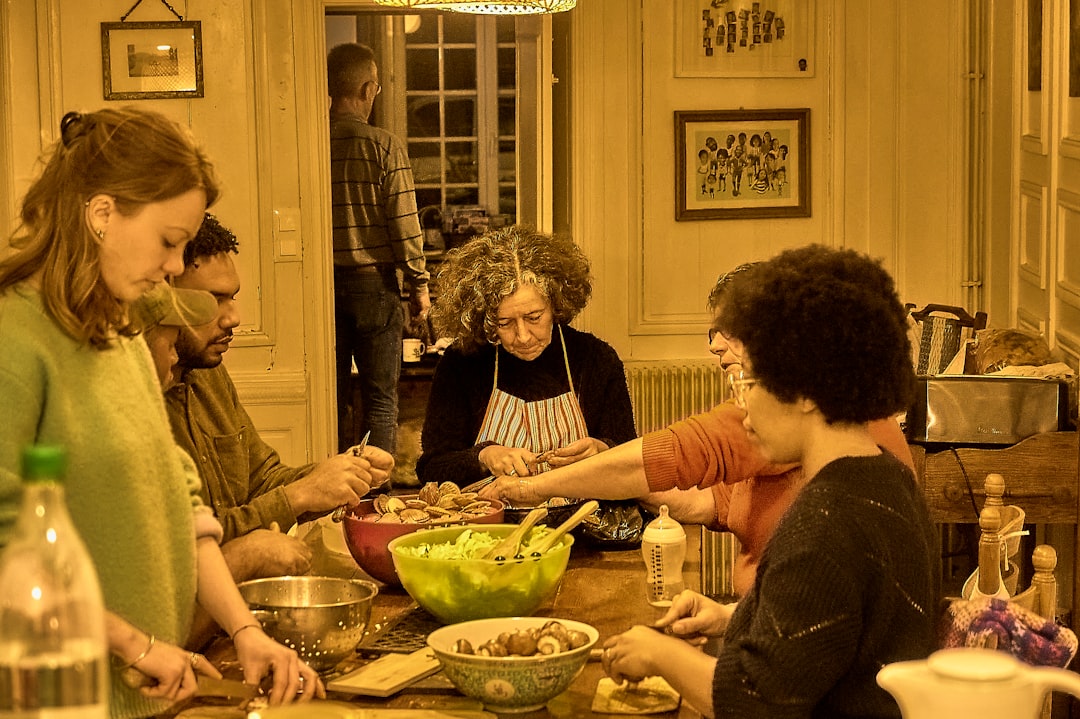
Siloam Mission is navigating a critical operational crossroad in early 2026 as the Winnipeg-based non-profit reports a significant decline in private donations alongside a record-breaking surge in service demand. This widening gap threatens the delivery of essential meals, emergency shelter, and health services for the city’s most vulnerable populations. The organization’s leadership warns that the current Siloam Mission donation trends 2026 reflect a broader economic strain affecting charitable giving across Manitoba. Consequently, the mission is urgently calling for community support to sustain its life-saving programs during this period of unprecedented need.
- Donation levels have dropped significantly while the number of people seeking help has reached new highs.
- Economic pressures and rising living costs are the primary drivers behind the funding shortfall.
- Siloam Mission is implementing strategic adjustments to maintain core emergency services.
- Community involvement remains the most critical factor for the organization’s recovery in 2026.
What factors are driving the 2026 demand for social services?
The convergence of high inflation and a housing shortage has pushed more Winnipeggers toward emergency social services. Siloam Mission reports that the demographic of those seeking help is shifting. It now includes more seniors and low-income workers who cannot keep up with rising rents. The organization serves as a primary safety net in the downtown core, providing over 1,000 meals daily.
However, the cost of providing these services has climbed by nearly 20% compared to previous years. Food procurement costs and utility expenses for the massive Princess Street facility have outpaced traditional budget forecasts. This economic reality creates a double-edged sword: the mission must spend more to help more people, even as its income stream narrows.
Internal data suggests that many regular monthly donors have reduced their contributions. Many cite their own household budget constraints as the primary reason for the change. This trend highlights a systemic challenge for non-profits that rely heavily on individual philanthropy rather than government grants alone.
How is the donation gap affecting Siloam Mission’s operations?
The mission’s director of development notes that the organization has faced several months of turbulence. This period follows a transition in leadership and a re-evaluation of long-term strategic goals. While the mission remains committed to its core values, the financial shortfall forces difficult decisions regarding non-essential programming.
“It is truly a matter of people’s lives on the line when we talk about these services. We are the difference between a warm bed and the harsh Manitoba winter for hundreds of individuals every single night.”
To mitigate the impact, the mission is prioritizing its “essential three”: food, shelter, and clothing. Other specialized programs, such as employment training and long-term transitional housing support, are operating at reduced capacity. Staffing levels have also been adjusted through attrition to ensure that frontline resources remain focused on immediate crisis intervention.
What do current data points reveal about regional homelessness?
Recent statistics highlight the urgency of the situation in the Prairie provinces. According to the City of Winnipeg homelessness reduction initiatives, the number of individuals experiencing chronic homelessness has increased by 12% over the last 18 months. This increase directly correlates with the rising foot traffic observed at Siloam’s doors.
Furthermore, the mission has seen a 30% increase in first-time service users. This indicates that the economic safety net is failing a new segment of the population. These individuals often require more intensive case management to navigate social systems they have never used before. The complexity of these cases places additional strain on the mission’s dedicated social workers and volunteers.
How can the Winnipeg community support emergency shelter sustainability?
Siloam Mission is launching a renewed corporate partnership drive to fill the funding void. They are encouraging local businesses to sponsor specific meal services or utility costs. These direct-impact sponsorships allow donors to see the tangible results of their contributions in real-time. The mission is also expanding its volunteer program to offset rising labour costs in the kitchen and sorting areas.
Strategic shifts are also occurring in how the mission collects donations. They are moving toward more digital-first, micro-donation platforms. These tools allow younger demographics to contribute small amounts that aggregate into significant support. Transparency remains a top priority, with the mission providing frequent updates on how every dollar is spent to maintain donor trust.
The organization is also advocating for more robust provincial support. While private donations are vital, long-term sustainability requires a more integrated approach between non-profits and government agencies. Collaborative efforts could streamline the transition from emergency shelter to permanent supportive housing.
What are the long-term implications for the social service sector?
The challenges at Siloam Mission reflect a broader trend across the Canadian non-profit sector in 2026. Many organizations are finding that traditional fundraising models are no longer sufficient in a volatile economy. This shift is driving a move toward social enterprise and more diverse revenue streams to ensure stability during lean years.
For the people living on the streets of Winnipeg, the mission’s ability to “turn the corner” is not just a business goal. It is a necessity for survival. The organization remains optimistic that the community will respond as it has in past crises. They believe the current turbulence is a temporary hurdle that will lead to a more resilient service model.
Community members can contribute by donating non-perishable goods, signing up for monthly giving, or volunteering their time. Every action helps ensure that the mission can continue to provide a safe haven for those with nowhere else to turn. Supporting these services today prevents a much larger social and economic crisis in the future.


