
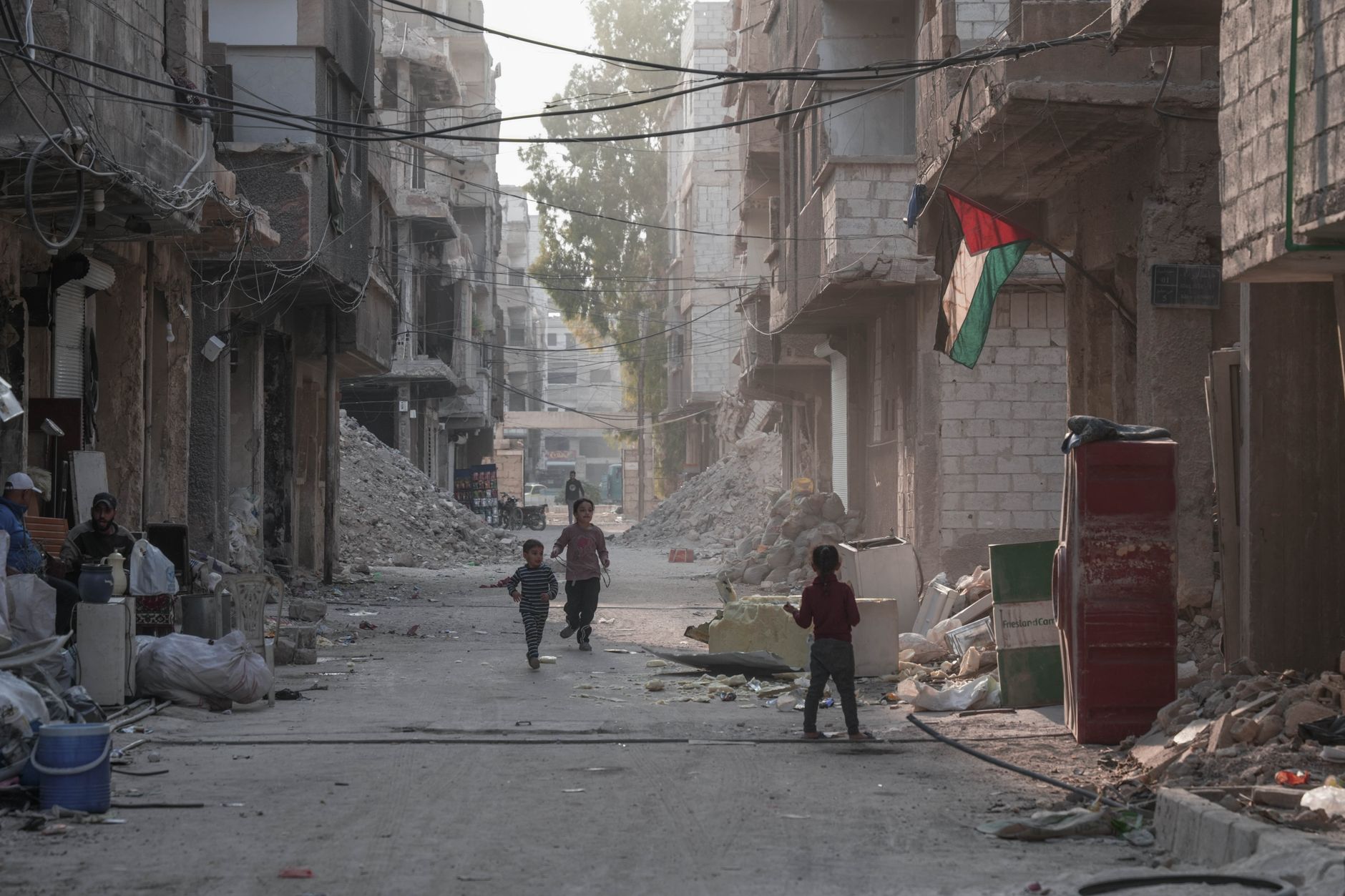
In June 2026, the residents of the Nuseirat refugee camp in central Gaza mark the second anniversary of the military operation that fundamentally altered the region’s humanitarian landscape. While the June 2024 mission successfully extracted four Israeli captives, the high civilian casualty rate and subsequent infrastructure collapse continue to drive a profound mental health crisis today. Readers will explore the long-term Nuseirat humanitarian impact, examining how local families navigate persistent trauma and the evolving challenges of urban reconstruction in a post-conflict environment.
- Chronic PTSD and psychological trauma remain the primary health concerns for Nuseirat survivors two years later.
- Urban reconstruction efforts face significant delays due to persistent supply chain disruptions and regional instability.
- International legal bodies continue to debate the ethical frameworks of high-density urban rescue missions.
How has the Nuseirat community changed since 2024?
The physical landscape of Nuseirat in 2026 reflects a community in a state of suspended recovery. While some residential blocks have seen partial reconstruction, the emotional scars of the June 8, 2024, operation remain visible. For the families who lived through the intense bombardment, the sound of drones or heavy machinery still triggers immediate panic.
Local community leaders report that the social fabric of the camp has shifted. Neighbourhoods that once thrived on collective resilience now struggle with internal displacement. Many families have moved multiple times within the camp, seeking a sense of safety that remains elusive. The memory of the day hundreds of lives were lost in the crossfire continues to haunt daily interactions.
What do recent healthcare reports say about long-term trauma?
Data from medical centres operating in central Gaza indicate a surge in complex psychological disorders. Physicians note that children, in particular, exhibit symptoms of severe anxiety and developmental regressions. These clinical observations align with broader trends across the territory where the healthcare system remains under extreme pressure.
“We are not just treating physical wounds anymore; we are treating the collapse of the human spirit,” says a local trauma specialist. “The events of two years ago created a generational trauma that requires decades of consistent intervention.”
According to recent UN OCHA humanitarian situation reports, the lack of consistent access to mental health professionals exacerbates these conditions. The scarcity of specialized medication and therapy spaces means many survivors suffer in silence. This persistent “bleeding” of the community’s mental health is a direct legacy of the 2024 operation.
How are survivors navigating the recovery process?
For those who lost their homes and loved ones during the rescue operation, recovery is not a linear path. Survivors describe a life defined by “before” and “after” the massacre. The stories of families trapped in their apartments while the battle raged outside have become part of the collective history of Nuseirat.
Economic recovery also remains stagnant. The destruction of local markets and small businesses during the operation led to a loss of livelihoods that many have yet to recover. In 2026, unemployment rates in central Gaza are among the highest in the world, leaving families dependent on dwindling international aid. This economic hardship compounds the psychological stress, creating a cycle of despair that is difficult to break.
The role of international aid in 2026
International NGOs have shifted their focus from emergency relief to long-term psychosocial support. However, funding gaps and logistical hurdles continue to hamper these efforts. The delivery of construction materials is often delayed, leaving many families in temporary shelters that were never intended for multi-year use.
Programmes aimed at vocational training for youth have seen some success, but they are often overshadowed by the immediate need for food and clean water. The humanitarian response in 2026 is a race against time to provide stability to a population that has known little but volatility for years.
What are the legal and ethical implications for future operations?
The Nuseirat operation remains a central case study in international humanitarian law. Legal experts analyze the balance between military necessity and the protection of civilian life in high-density areas. The high death toll reported by Gaza health authorities in 2024 continues to fuel international calls for stricter regulations on urban warfare.
Human rights organizations argue that the long-term civilian impact must be factored into the legality of such missions. They point to the ongoing suffering in Nuseirat as evidence that the “success” of a rescue mission cannot be measured solely by the recovery of captives. The collateral damage, they argue, extends far beyond the immediate casualties.
Expert perspectives on urban warfare ethics
Military analysts suggest that the Nuseirat mission changed the calculus for future urban operations. The use of civilian disguises and the resulting intensity of the firefight have led to increased scrutiny of the “proportionality” principle. As urban environments become the primary theatres of modern conflict, the lessons of Nuseirat are being integrated into military doctrines worldwide.
However, for the people on the ground, these academic debates offer little comfort. Their reality is defined by the daily struggle to rebuild lives from the rubble. The gap between international legal discourse and the lived experience of survivors remains wide.
What does this mean for the future of central Gaza?
The trajectory of Nuseirat over the next several years depends heavily on regional political developments. Without a comprehensive peace agreement and a massive influx of reconstruction capital, the camp risks becoming a permanent monument to the 2024 conflict. The resilience of the population is high, but it is not infinite.
Future stability in the region requires addressing the root causes of the trauma. This includes not only physical rebuilding but also a concerted effort to provide justice and recognition for the civilian experience. As the world moves further from the events of 2024, the residents of Nuseirat continue to bear the weight of a day that never truly ended for them.
Strengthening local community centres and providing consistent educational opportunities for the youth are essential steps toward a sustainable recovery. By focusing on the human elements of reconstruction, the international community can help mitigate the long-term effects of the trauma. Ensuring that the voices of survivors are heard remains the most effective way to prevent the cycle of violence from repeating in the years to come.


