
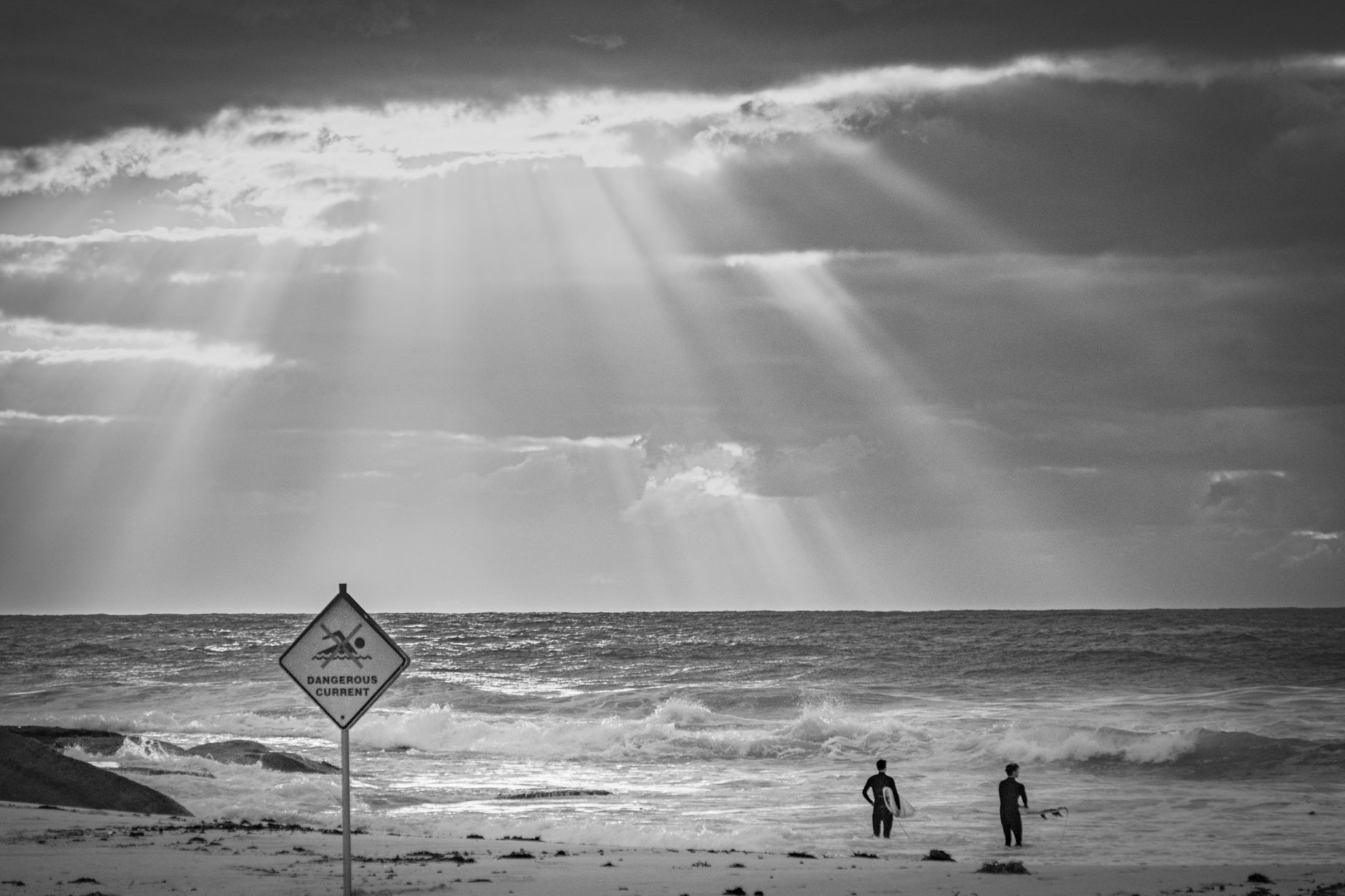
Emergency services and local authorities in Sydney, Australia, ordered the immediate closure of several iconic eastern suburb beaches on Saturday morning following a severe shark attack. A female swimmer remains in critical condition after the encounter, which occurred during a peak period for weekend recreation. This incident has triggered a rapid implementation of Sydney beach safety protocols to protect the public and monitor the surrounding waters for further predatory activity.
- Major beaches including Bondi, Bronte, and Tamarama remain closed until further notice.
- The victim is currently undergoing emergency surgery at a Sydney trauma centre.
- NSW Department of Primary Industries has deployed additional aerial surveillance drones.
- Authorities are investigating the specific shark species involved in the incident.
The attack took place shortly after 8:00 AM local time, a period when many locals participate in ocean swimming clubs. Witnesses described a scene of rapid response as surf lifesavers and paramedics arrived to provide life-saving treatment on the sand. This event marks one of the most serious encounters in the region over the last several years, prompting an immediate re-evaluation of current mitigation strategies.
Why were Sydney’s eastern suburb beaches closed today?
Police and Surf Life Saving NSW issued the closure orders to ensure public safety while the predator remains in the vicinity. Standard operating procedures dictate a minimum 24-hour closure following any incident involving a shark bite. This allows time for the animal to move into deeper waters and for authorities to conduct thorough sweeps of the coastline.
The closures extend from the northern end of Bondi down to Maroubra, affecting thousands of weekend visitors. Rangers are currently patrolling the shoreline to prevent swimmers from entering the water. Maritime assets are also stationed at key points to intercept any watercraft or surfers unaware of the unfolding situation.
Local councils have updated digital signage at all entry points to reflect the current danger level. These measures are essential to prevent secondary incidents while the shark’s behaviour remains unpredictable. Public cooperation has been high, though the economic impact on local beachfront businesses is expected to be significant for the duration of the weekend.
What is the current status of the victim and emergency response?
The victim, a woman in her late 20s, suffered extensive injuries to her lower limbs. Bystanders and off-duty medical professionals provided initial first aid, applying improvised tourniquets before official help arrived. NSW Ambulance crews stabilized her at the scene before she was airlifted to a nearby hospital.
Hospital spokespersons confirmed she remains in a critical but stable condition following several hours of surgery. The speed of the initial response is credited with saving her life during the critical first minutes. Forensic experts are now examining the nature of the wounds to determine the size and species of the shark involved.
“The bravery of the bystanders who assisted the swimmer cannot be overstated. Their quick thinking provided the medical team with the time needed to perform life-saving interventions,” stated a NSW Police spokesperson during a midday press briefing.
How are authorities monitoring shark activity in 2026?
In 2026, shark mitigation in New South Wales relies heavily on integrated technology and real-time data sharing. The state government has invested heavily in the NSW Department of Primary Industries shark management program, which utilizes a combination of SMART drumlines and satellite-linked tagging. These tools provide researchers with immediate alerts when a tagged shark enters a monitored zone.
Artificial intelligence now powers many of the drones patrolling the coastline. These systems can distinguish between different marine species with over 90% accuracy, providing lifesavers with early warnings before a shark reaches the surf zone. Following this morning’s attack, three additional drone units were deployed to track any large shadows moving north toward the harbour entrance.
Data from these devices is shared instantly via the SharkSmart app, which many residents use to check water safety before heading out. Despite these advancements, biologists remind the public that the ocean remains a wild environment. Seasonal migrations and changing water temperatures can often bring predators closer to the shore than usual.
What does this mean for Sydney’s coastal tourism and safety?
This incident raises questions about the balance between marine conservation and human safety in one of the world’s most famous coastal cities. While shark encounters are statistically rare, their impact on public perception of beach safety is profound. Tourism officials are working closely with safety experts to ensure that visitors feel secure returning to the water once the threat passes.
Experts suggest that the 2026 season has seen a slight uptick in shark sightings due to increased baitfish populations near the coast. This ecological shift requires swimmers to be more vigilant, especially during dawn and dusk. Authorities recommend swimming only at patrolled beaches and staying between the red and yellow flags where surveillance is highest.
Moving forward, there may be calls for expanded netting or more frequent aerial patrols during the summer months. However, many environmental groups advocate for non-lethal methods that prioritize both human life and marine health. The current investigation will likely influence future policy decisions regarding beach management across the state.
As the investigation continues, residents are encouraged to stay informed through official channels and respect all beach closures. Taking personal responsibility for water safety involves checking the latest alerts and understanding the risks associated with ocean swimming. By following the guidance of surf lifesavers and staying updated on local conditions, the community can help minimize the risk of future tragic encounters.


