
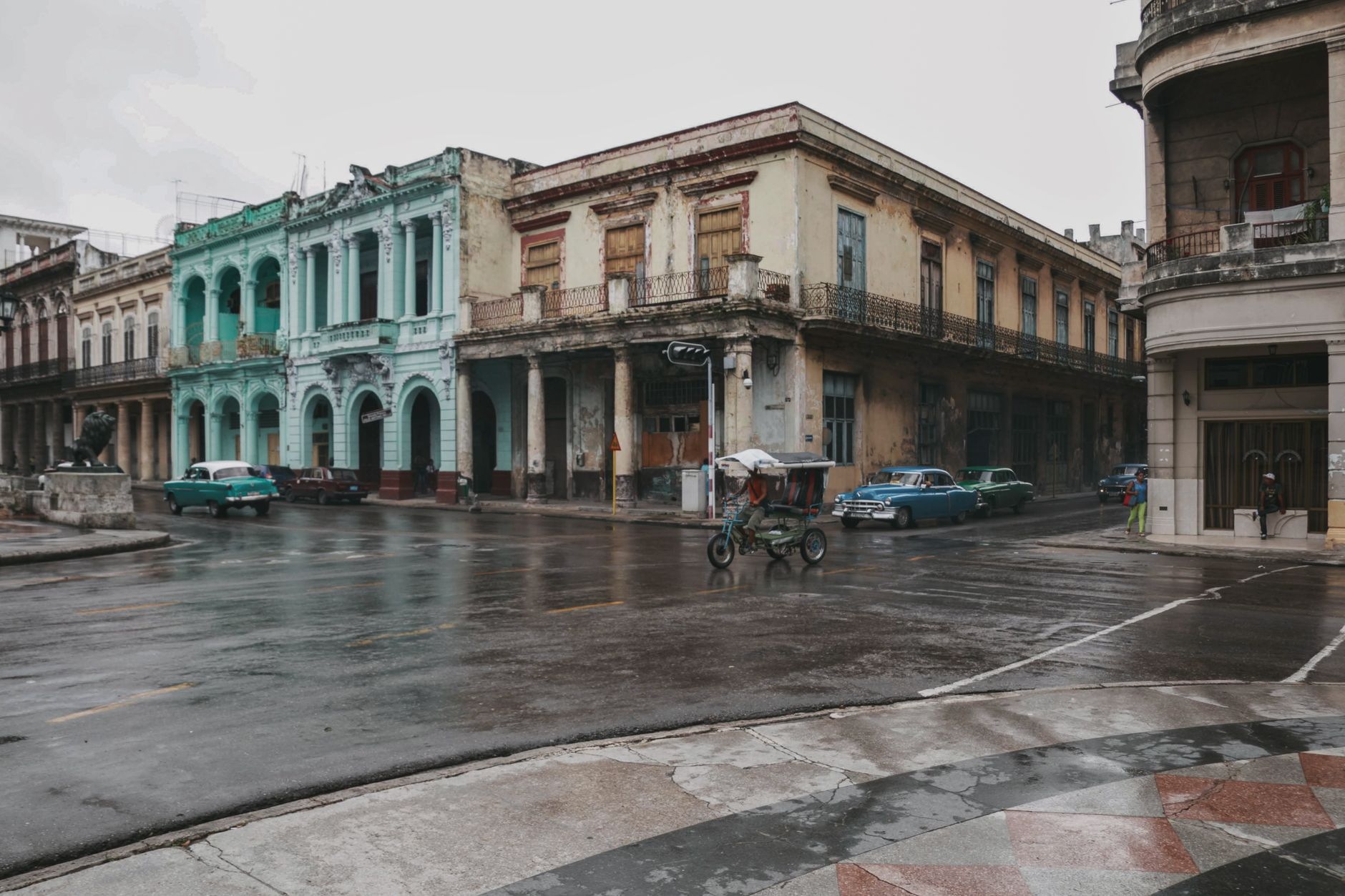
Havana, Cuba — The Cuban administration unveiled a historic package of free-market reforms this Tuesday to combat a deepening economic crisis. These measures represent the most significant shift toward privatization since the 1959 revolution. Government officials in Havana announced the changes as the island grapples with persistent power grid failures and food shortages. This report explores the scope of the 2026 Cuba free-market reforms and their potential impact on international relations. Readers will learn about new private ownership laws, foreign investment opportunities, and the cautious response from the global community.
- Full legal recognition of small and medium-sized private enterprises (SMEs) across most industrial sectors.
- Authorization for 100% foreign ownership in specific agricultural and renewable energy projects.
- Elimination of state-mandated price caps on non-essential consumer goods to stimulate supply.
The revolution was televised, but many Cubans missed the broadcast because they had no electricity. This irony highlights the desperate situation facing the nation today. For decades, the state maintained a monopoly over almost every aspect of the economy. However, the total collapse of the national energy grid in late 2025 forced a policy reversal. The new measures aim to attract hard currency and revitalize local production through private initiative.
How will the new private sector laws function?
The Ministry of Economy and Planning confirmed that citizens can now register businesses in over 2,000 activities. Previously, the state restricted private work to a narrow list of self-employment categories. The new decree allows these businesses to import equipment directly without state intermediaries. This change addresses a primary grievance of the emerging Cuban entrepreneurial class. Business owners can now sign contracts with international suppliers to secure necessary raw materials.
Furthermore, the government is introducing a simplified tax structure for startups. These incentives target young professionals who have been leaving the country in record numbers. By fostering a local market, the state hopes to stem the tide of mass migration. Officials claim these steps are necessary to preserve the social achievements of the revolution. However, critics argue the government is simply shifting the burden of service provision to the private sector.
Why are international observers remaining skeptical?
Despite the scale of the announcements, the United States government remains deeply cautious. State Department officials in Washington noted that previous reforms often faced sudden reversals. They expressed concern that the military still controls the most lucrative parts of the economy. Many Cuban exiles in Miami share this sentiment, calling the reforms a tactical retreat rather than a true change of heart. They argue that without political liberalization, economic shifts remain fragile and easily revoked.
Financial analysts also point to the lack of a robust legal framework to protect private property. Potential investors worry about the transparency of the Cuban judicial system. According to current World Bank economic data, the island faces significant hurdles regarding debt restructuring and creditworthiness. Without access to international lending institutions, the government must rely entirely on direct foreign investment. This reliance places immense pressure on the success of the new privatization decrees.
“We are seeing a desperate attempt to survive, not a genuine embrace of market principles,” stated an anonymous diplomat based in Havana.
What are the implications for the Cuban energy sector?
The energy crisis serves as the primary catalyst for these drastic economic changes. The government is now inviting private companies to build and manage small-scale solar farms. This move marks the first time private entities will contribute to the national grid. By decentralizing power production, the state hopes to reduce the frequency of total blackouts. These outages have previously sparked widespread civil unrest across various provinces.
Investors from the European Union and China have already expressed preliminary interest in these energy projects. They view the island’s high solar potential as a viable long-term opportunity. However, the existing infrastructure requires massive capital injections to handle decentralized inputs. The government must modernize the aging grid while simultaneously managing the transition to a mixed economy. This dual challenge will test the administration’s technical and political capabilities in the coming months.
How will these changes affect daily life for Cubans?
For the average citizen, the immediate concern remains the soaring cost of living. While the reforms may increase supply, prices are expected to rise as subsidies disappear. The government is replacing universal rations with targeted social assistance for the most vulnerable. This shift represents a fundamental change in the Cuban social contract. Families must now navigate a market where prices fluctuate based on global supply chains.
Success will depend on how quickly the new private firms can begin production. If the supply of food and basic goods increases, inflation may eventually stabilize. However, the transition period will likely be characterized by significant economic volatility. The ability of the Cuban people to adapt to these market forces remains the ultimate variable. As the state retreats from its role as the sole employer, a new era of individual enterprise begins.
The 2026 reforms place Cuba at a critical crossroads between its socialist past and an uncertain market-driven future. While the government maintains its rhetoric of ideological continuity, the practical reality on the ground is changing rapidly. International stakeholders will continue to monitor the implementation of these decrees to see if they offer genuine opportunities. For now, the focus remains on whether these policies can provide the basic services that the state no longer can. The coming year will determine if this shift is a lasting transformation or a temporary survival strategy.


