
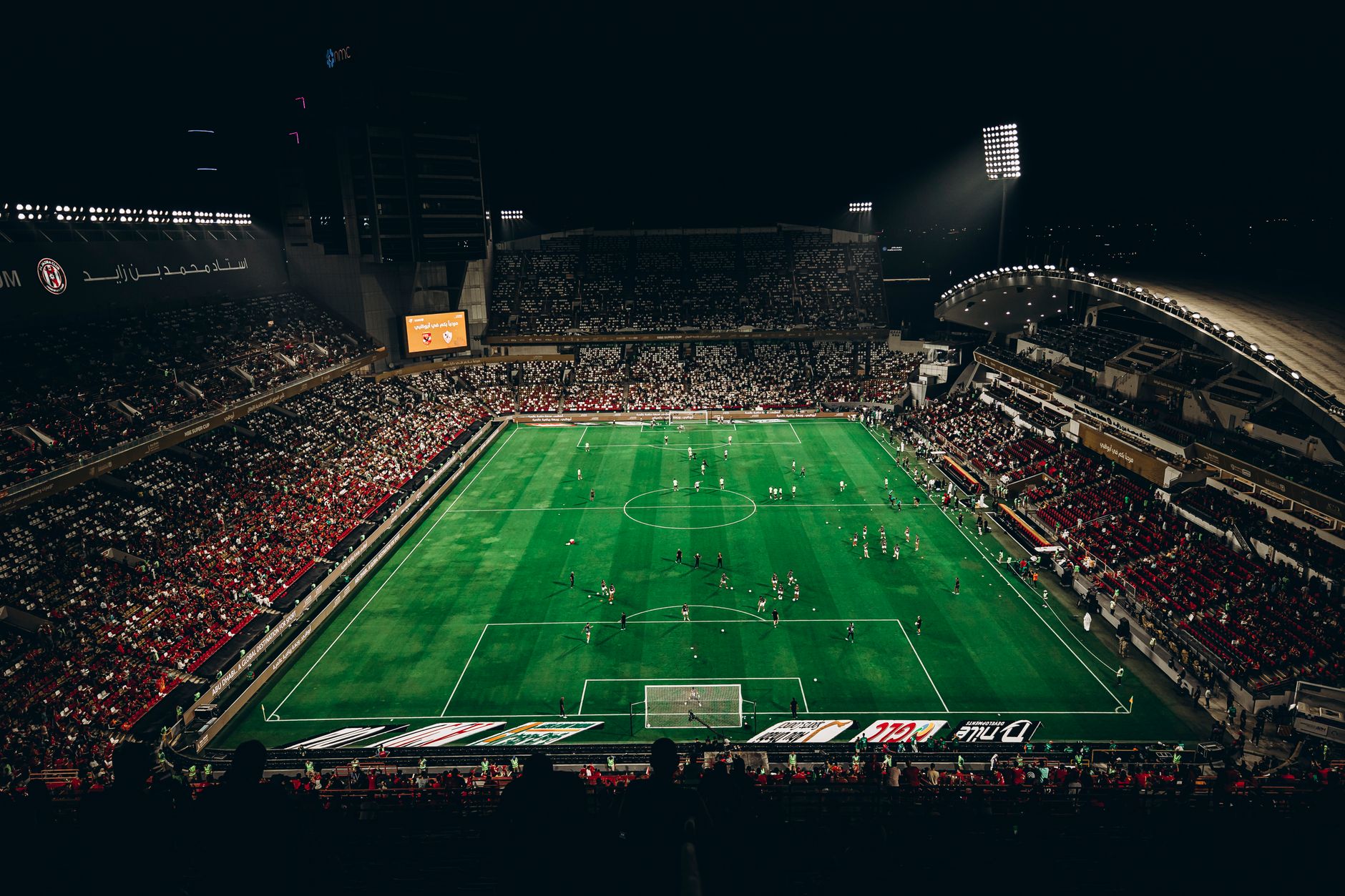
The group stage of the FIFA World Cup 2026 is reaching its fever pitch across Canada, Mexico, and the United States. As the largest tournament in history unfolds, fans are urgently tracking which nations have secured their positions in the inaugural Round of 32. This article clarifies the complex qualification criteria for the 48-team field and provides the latest updates on the teams moving into the knockout phase. By the end of this guide, you will understand the mathematical requirements for advancement and how the new third-place ranking system determines the final bracket.
- The top two teams from each of the 12 groups automatically advance to the Round of 32.
- The eight best-performing third-place teams secure the remaining knockout slots.
- The expanded format increases the total number of matches, requiring more depth from national squads.
How does the World Cup 2026 knockout qualification work?
The 2026 tournament marks a significant departure from the previous 32-team format used since 1998. With 48 nations competing, the tournament structure now consists of 12 groups of four teams each. This expansion necessitates an additional knockout round, effectively doubling the number of teams that survive the initial group phase. While the top two finishers in every group enjoy a direct path, the inclusion of the best third-place teams adds a layer of statistical complexity to the final matchdays.
To determine the eight best third-place teams, FIFA utilizes a specific set of tie-breaking criteria. If teams are level on points, officials first look at the overall goal difference across all group matches. If a tie persists, the total number of goals scored becomes the deciding factor. This system ensures that every offensive effort in the group stage remains relevant until the final whistle of the last match.
Which teams have secured their spot in the Round of 32?
As the final matches conclude in host cities like Vancouver and Toronto, the knockout bracket is rapidly taking shape. Traditional powerhouses from Europe and South America have largely met expectations, securing early qualification with dominant performances. However, the expanded field has also allowed emerging nations from Africa and Asia to capitalize on the new format, with several clinching their first-ever knockout appearances. The atmosphere in Canadian venues has been particularly electric as the host nation battles for its place among the elite 32.
The logistical scale of the 2026 event means that teams qualifying from Groups A through F will often have different travel requirements than those in Groups G through L. Managers are currently balancing squad rotation with the need for points, knowing that a single goal could be the difference between a flight home and a spot in the Round of 32. Scouts and analysts are closely monitoring the fair play points, as yellow and red cards serve as the final tie-breaker in the event of identical statistical records.
What are the tie-breaking rules for third-place teams?
The introduction of the wildcard system for third-place finishers has changed how teams approach the final 20 minutes of their group games. In previous tournaments, a team sitting in third place with a negative goal difference might have lost hope. In 2026, every goal scored reduces the deficit and improves their ranking against teams in other groups. This creates a “tournament within a tournament” as fans compare live results from matches happening thousands of kilometres apart.
According to the official FIFA World Cup 2026 regulations, the ranking of third-placed teams follows a strict hierarchy: points, goal difference, goals scored, and finally, fair play conduct. If all these metrics are equal, a drawing of lots by the FIFA Organizing Committee becomes the last resort. This high-stakes environment has led to more aggressive tactical shifts in the final group stage fixtures, as teams can no longer afford to play for a simple draw.
Why the expanded format changes the tournament dynamics
The shift to 48 teams has faced both praise and scrutiny from the global football community. Critics argue the larger field may dilute the quality of play in the early stages, while proponents highlight the increased inclusivity. From a competitive standpoint, the Round of 32 acts as a buffer that prevents early exits for major contenders who might have suffered one upset. It also provides a massive platform for smaller nations to experience the intensity of sudden-death football on the world stage.
Data from the group stages indicates that the average goals per match have remained high, as teams recognize the importance of goal difference. Coaches are now forced to consider the depth of their 26-man rosters more than ever before. With an extra knockout game added to the schedule, physical recovery and sports science have become as crucial as tactical preparation. The teams that thrive in the Round of 32 will likely be those that managed their energy levels effectively during the opening three matches.
How to follow the live knockout bracket updates
The transition from the group stage to the knockout phase is a logistical feat involving three countries and multiple time zones. Fans can monitor the live bracket through official broadcast partners and digital platforms that update standings in real-time. As the final third-place spots are confirmed, the paths to the final in New Jersey become clear. This transparency allows supporters to anticipate potential heavyweight clashes as early as the first knockout round.
The Round of 32 represents a new chapter in international football history, where the margin for error disappears entirely. As the qualified teams prepare for their respective matches in cities like Seattle, Mexico City, and Atlanta, the pressure shifts from accumulation to elimination. Every nation remaining in the draw is now part of an elite group that has navigated the most inclusive and demanding group stage ever organized. The journey toward the trophy is no longer a marathon; it is a high-speed sprint where one mistake can end a four-year cycle of preparation.


