
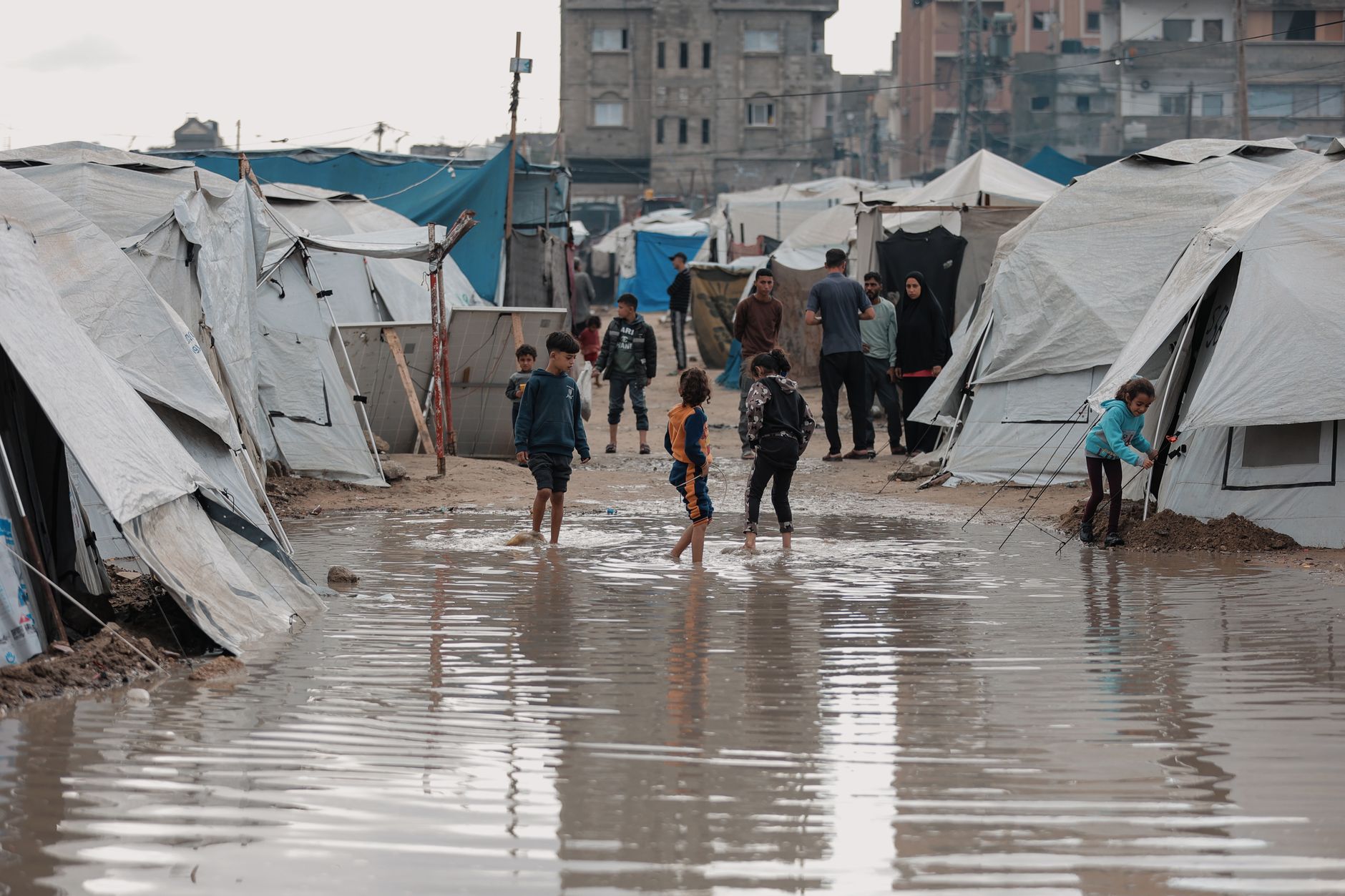
Diabetes patients in Gaza are currently fighting a desperate battle for survival. Chronic shortages of insulin and essential medical equipment have turned manageable conditions into fatal risks. This crisis stems from the prolonged destruction of healthcare infrastructure and blockaded supply routes. Readers will understand the medical implications of these shortages and the urgent response required from international health bodies. The scarcity of medication has forced thousands to choose between rationing doses or facing immediate hospitalization. Without intervention, the mortality rate for chronic disease patients in the region is expected to climb sharply this year.
- Insulin scarcity has forced patients to ration doses, leading to rapid health decline and organ damage.
- The lack of refrigeration in temporary shelters renders remaining insulin stocks ineffective due to heat.
- Medical infrastructure damage prevents routine monitoring, causing a spike in diabetic ketoacidosis cases.
- International aid remains insufficient to meet the daily requirements of the estimated 45,000 diabetic residents.
What is the current state of insulin availability in Gaza?
The availability of life-saving insulin has reached a critical low point recently. Pharmacies and hospitals report empty shelves for both rapid-acting and long-acting varieties. Many patients have been without their primary medication for several weeks. This absence of treatment leads to uncontrolled blood sugar levels. High glucose levels cause long-term damage to the heart, kidneys, and eyes. In the short term, it triggers life-threatening metabolic crises.
Logistical barriers have prevented consistent shipments from entering the territory. Cold chain maintenance is a primary concern for humanitarian groups. Insulin requires constant refrigeration to remain chemically stable and effective. Most residents currently live in tents or damaged buildings without electricity. Without cooling, the proteins in insulin break down quickly. This makes even the limited available supply potentially useless for patients.
Health workers in the region are seeing a surge in Type 1 diabetes complications. Children are particularly vulnerable to these supply disruptions. Their bodies cannot produce any insulin naturally. Missing even a single day of injections can lead to a coma. Parents are reportedly scouring multiple districts to find a single vial of medication. The cost of black-market insulin has also skyrocketed beyond the reach of most families.
How does equipment failure exacerbate the health crisis?
Managing diabetes requires more than just medication. Patients need glucose meters, test strips, and sterile lancets. These tools are now almost impossible to find in local markets. Without testing, patients cannot calculate their required insulin dosages accurately. This leads to dangerous guesswork during meal times. Overdosing can cause fatal hypoglycemia, while underdosing leads to hyperglycemia.
Sterility is another major challenge in the current environment. Reusing needles has become a common but dangerous practice. This leads to localized infections and systemic sepsis. In crowded living conditions, these infections spread rapidly. Many patients are also suffering from unhealed foot ulcers. Without proper dressings and antibiotics, these wounds often lead to amputations. The lack of specialized surgical care makes these procedures high-risk for patients.
The psychological stress of the conflict further complicates blood sugar management. Stress hormones like cortisol cause glucose levels to spike naturally. Patients are trapped in a cycle of physiological stress and medical scarcity. Healthcare providers are unable to offer the necessary dietary counseling. Food insecurity means patients often consume high-carbohydrate rations. These meals are unsuitable for maintaining stable blood sugar levels.
What are the perspectives from international health organizations?
Global health experts have voiced extreme concern regarding the collapse of non-communicable disease care. Most emergency aid focuses on trauma and infectious diseases. However, the silent toll of chronic illness is becoming equally deadly. According to the World Health Organization reports on the occupied Palestinian territory, the health system is operating at a fraction of its capacity. Only a handful of hospitals remain partially functional across the entire strip.
“The lack of insulin is not just a shortage; it is a death sentence for thousands of people with Type 1 diabetes in the current conditions.”
Medical NGOs are attempting to establish mobile clinics to fill the gap. These units provide basic screening and limited medication distribution. However, they are frequently hampered by security concerns and fuel shortages. Fuel is needed to power the generators that keep insulin cold. When fuel runs out, the entire supply chain of medication is at risk. Coordination with local authorities remains a complex and often unsuccessful process.
What are the long-term implications for the regional healthcare system?
The long-term health consequences of this crisis will be felt for decades. Prolonged periods of uncontrolled diabetes lead to permanent disability. We are seeing a rise in cases of kidney failure requiring dialysis. Gaza’s dialysis units are already overwhelmed and under-resourced. The population is also facing a future of increased blindness and cardiovascular disease. These conditions will place an immense burden on a shattered healthcare system.
Rebuilding the medical infrastructure will require billions in international investment. It is not just about rebuilding walls and roofs. The region needs a complete restoration of the pharmaceutical supply chain. This includes laboratory services for monitoring long-term glucose control. Training for healthcare professionals must also be prioritized. Many specialists have left the region or were casualties of the conflict.
The immediate focus must remain on securing safe passage for medical supplies. Humanitarian corridors are essential for the delivery of temperature-sensitive drugs. Without a sustained and protected flow of aid, the survival of diabetes patients remains uncertain. The international community faces a moral imperative to address this specific medical need. Chronic disease management cannot be treated as a secondary priority in a humanitarian crisis. Every day of delay results in more preventable deaths among the most vulnerable citizens.
Patients continue to demonstrate remarkable resilience in the face of these odds. They share limited resources and support one another in makeshift communities. However, resilience cannot replace the biological necessity of insulin. The path forward requires a unified global effort to restore basic health rights. Ensuring that every patient has access to their medication is the only way to prevent further tragedy. The survival of thousands depends on the immediate restoration of the medical supply chain and the stabilization of the healthcare environment.


