
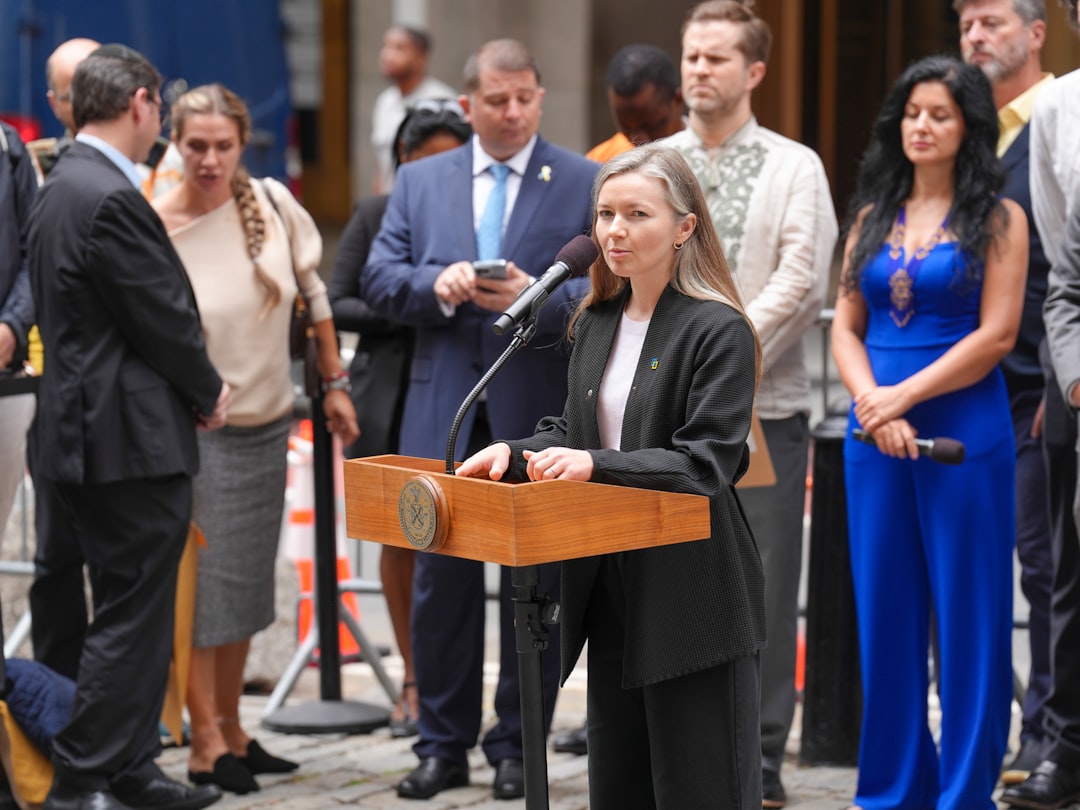
Ilana Gritzewsky, a liberated Israeli hostage, recently confronted a United Nations (UN) adviser on violence against women, demanding accountability for sexual abuse she allegedly endured while held by Hamas. This significant encounter, highlighted by UN Watch, underscores urgent global calls for the UN to unequivocally address conflict-related sexual violence and ensure survivors receive justice and recognition. Readers will gain insight into the ongoing struggle for survivor advocacy, the complexities of international response, and the implications for human rights in conflict zones.
- Former Israeli hostage Ilana Gritzewsky recently challenged a UN adviser regarding alleged sexual abuse by Hamas.
- The confrontation intensifies scrutiny on the UN’s commitment to acknowledging and addressing conflict-related sexual violence.
- Advocacy groups like UN Watch emphasize the critical need for international bodies to validate survivor testimonies.
- This event highlights broader issues of accountability and support for victims of sexual violence in conflict zones globally.
Why Are Survivors Demanding UN Action on Sexual Violence?
The confrontation by Ms. Gritzewsky is not an isolated incident. Survivors of conflict-related sexual violence frequently face significant barriers to justice and recognition. They often contend with systemic denial, victim-blaming, and a lack of robust international mechanisms for redress.
Many advocacy groups, including UN Watch, argue that international bodies, particularly the UN, must exhibit unwavering commitment. This commitment involves acknowledging all forms of sexual violence regardless of perpetrator or victim identity. Such recognition is vital for upholding international humanitarian law.
Beyond legal justice, recognition offers crucial psychological healing. When international institutions hesitate, it risks re-traumatizing survivors and undermining global efforts. This can create a dangerous precedent, suggesting that certain victims are less worthy of immediate condemnation.
What is the Context of Allegations Against Hamas?
Allegations of sexual violence perpetrated by Hamas against Israeli hostages and civilians emerged following the attacks in late 2023. Numerous reports from human rights organizations and medical professionals detailed acts of sexual assault, rape, and mutilation.
These accounts, while widely documented by various bodies, have faced varied responses within international forums. The perceived slow or insufficient acknowledgment by some UN entities has drawn sharp criticism. This has led to accusations of selective condemnation of human rights abuses.
Reports from human rights organizations and medical professionals detailed these abuses. While documented, the varied international response has drawn criticism. Perceived delays in official statements from some UN entities contrast with rapid responses elsewhere. This fuels accusations of selective condemnation.
How Does International Law Address Sexual Violence in Conflict?
International humanitarian law explicitly prohibits sexual violence during armed conflict. Such acts are recognized as war crimes and, in certain contexts, crimes against humanity. Treaties like the Geneva Conventions and the Rome Statute of the International Criminal Court provide frameworks for prosecution.
Despite these legal instruments, enforcement and accountability remain persistent challenges. Survivors often struggle to access justice mechanisms. Furthermore, the political sensitivities surrounding specific conflicts can complicate international investigations.
Prosecuting these crimes is complex. Gathering forensic evidence in conflict zones is difficult. Cultural sensitivities and stigma often deter victims. Legal frameworks, while robust, face implementation challenges, including jurisdiction and political will.
What Role Do Advocacy Groups Play in Seeking Justice?
Organizations like UN Watch play a crucial role in pressuring international bodies to uphold their mandates. Hillel Neuer, Executive Director of UN Watch, described Ms. Gritzewsky’s need to confront the UN expert as a “tragedy in its own right.” This statement underscores the frustration felt when survivors must actively seek validation from those tasked with protecting their rights.
These groups amplify survivor voices and demand equitable treatment for all victims. They highlight instances where UN officials or bodies appear to fall short of their responsibilities. Their advocacy is essential for maintaining pressure for accountability.
These organizations serve as vital watchdogs. They document abuses and provide survivor platforms. By highlighting perceived inconsistencies, groups like UN Watch pressure officials to uphold universal human rights. Their persistence ensures accountability remains a global priority.
What Are the Implications for UN Credibility and Future Responses?
The persistent demands from survivors and advocacy groups have significant implications for the UN’s credibility. Its ability to effectively address conflict-related sexual violence depends on consistent, impartial, and robust action. Any perceived bias or delay in acknowledging abuses risks eroding trust among victims and member states.
Moving forward, there is a clear imperative for the UN to strengthen its mechanisms for reporting, investigating, and prosecuting sexual violence in conflict. This includes ensuring that all survivor testimonies are heard and taken seriously. Furthermore, comprehensive support services must be readily available to those affected.
The UN’s moral authority is tested. Rebuilding trust requires transparent, swift, and impartial action on all allegations. This includes allocating resources for survivor support and protection. Member states must also fund initiatives and hold perpetrators accountable, strengthening the international human rights framework. For more information on the UN’s framework to address sexual violence in conflict, consult the United Nations Office of the Special Representative of the Secretary-General on Sexual Violence in Conflict.


