
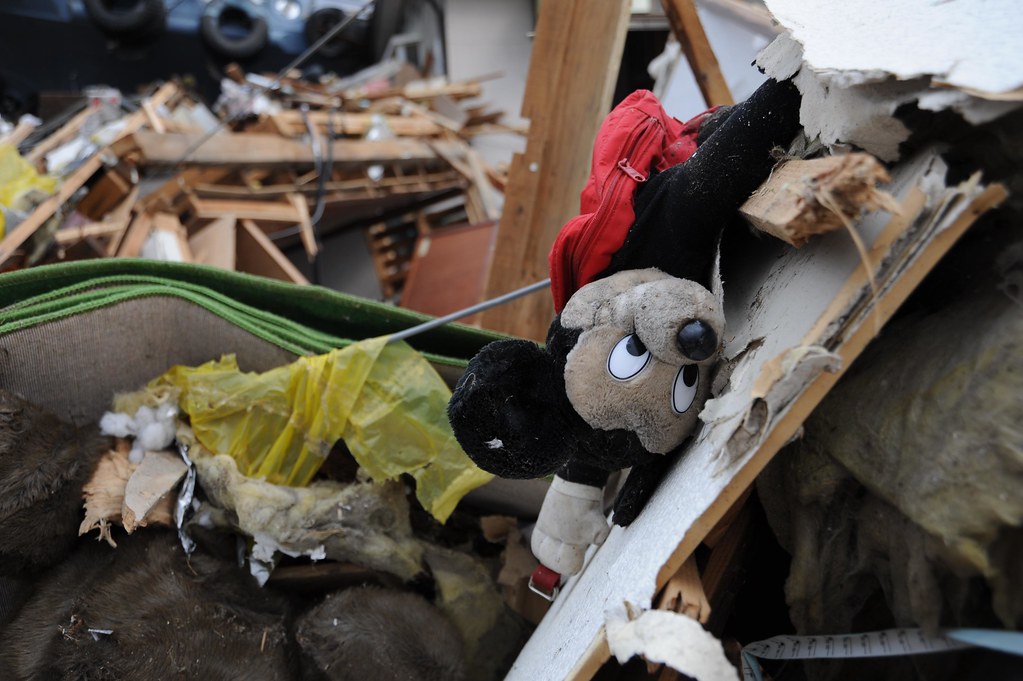
Rescue teams are currently navigating unstable debris across Venezuela following two powerful earthquakes. These tremors levelled multiple residential buildings and commercial structures in densely populated areas. Search-and-rescue crews have successfully pulled several survivors from the wreckage in recent hours. This massive humanitarian effort involves local emergency services and international aid groups. Readers will learn about the current rescue status and the regional impact of this seismic event.
- Emergency responders have transitioned to a high-priority search-and-rescue phase in urban centres.
- Two significant earthquakes caused widespread structural collapse and triggered immediate power outages.
- Specialized canine units and acoustic sensors are being used to locate trapped individuals.
- Government officials are coordinating with global agencies to manage medical triage and logistics.
What is the current status of the rescue efforts in Venezuela?
Emergency crews are working around the clock in several hard-hit cities. They are focusing on multi-storey buildings that suffered total structural failure. Heavy machinery is being used to lift massive concrete slabs. However, much of the work remains manual to protect those still alive underneath. Rescuers are using thermal imaging to detect heat signatures in the rubble.
Volunteer groups have joined professional firefighters and military personnel. They are forming human chains to move debris away from critical sites. Several survivors were recently pulled from a collapsed apartment complex. These individuals were immediately transported to mobile medical units for stabilization. The atmosphere on the ground remains tense as aftershocks continue to rattle the region.
Authorities have established a central command post to manage the flow of information. They are prioritizing sites where sounds of life have been detected. Communication remains difficult due to damaged cellular towers and downed power lines. Despite these hurdles, the rescue teams remain optimistic about finding more survivors. Every hour is critical for those trapped without water or medical attention.
How are specialized teams locating survivors beneath the debris?
Technological tools are playing a vital role in this massive operation. Search teams are utilizing sensitive acoustic sensors to pick up faint vibrations. These devices can detect scratching or tapping sounds deep within the rubble. This technology allows rescuers to pinpoint exact locations before they begin digging. It significantly reduces the time needed to reach trapped residents.
Canine search units are also deployed across the affected zones. These highly trained dogs can scent human life through thick layers of dust. They are often the first to signal a potential find in complex wreckage. Once a dog alerts, human teams move in with specialized cameras. These snake-like cameras are inserted into small gaps to confirm the survivor’s condition.
Structural engineers are working alongside these search teams to ensure safety. They assess the stability of remaining walls before rescuers enter a site. Shoring up these structures prevents further collapses during the extraction process. This methodical approach is essential for protecting both survivors and responders. The coordination between technology and traditional search methods is saving lives daily.
What are the immediate humanitarian needs for the affected population?
The sudden destruction has left thousands of people without adequate shelter. Temporary camps are being erected in parks and open stadiums. There is an urgent need for clean drinking water and non-perishable food. Many residents lost all their belongings when their homes collapsed. Local charities are currently organizing the distribution of blankets and hygiene kits.
Medical facilities in the region are operating at maximum capacity. Field hospitals have been set up to handle the influx of trauma patients. Surgeons are performing emergency procedures in makeshift operating theatres. Supply chains for essential medicines are currently being reinforced by international partners. Blood donation drives have seen a massive turnout from the local community.
Mental health support is also becoming a primary concern for responders. Survivors are grappling with the trauma of the event and the loss of loved ones. Grief counsellors are being deployed to the temporary shelters. They provide immediate psychological first aid to those in shock. Addressing these emotional needs is as vital as physical medical care.
How does this seismic activity compare to historical regional data?
Venezuela is located in a seismically active zone with several major fault lines. The country has experienced significant tremors in previous decades. This latest event, however, is notable for the rapid succession of two major shocks. This double-impact caused more damage than a single tremor might have. It prevented residents from safely exiting buildings before the second hit.
Geological experts are analyzing the data to understand the fault movement. They use global monitoring systems to track the magnitude and depth of each shock. Detailed information on global seismic activity can be found through the United States Geological Survey earthquake monitoring data portal. This data helps scientists predict the likelihood of further significant aftershocks. It also informs the emergency response regarding which areas are most at risk.
Building codes in the region have been under scrutiny for several years. Many older structures were not built to modern seismic standards. This lack of reinforcement contributed to the high rate of collapse. Engineers are now documenting these failures to improve future construction. These lessons are vital for long-term urban planning and disaster mitigation.
What are the long-term implications for Venezuelan infrastructure?
The reconstruction process will likely take several years to complete. Thousands of homes and businesses must be completely rebuilt from the ground up. This task requires massive financial investment and international cooperation. The government will need to implement stricter building regulations moving forward. Ensuring that new structures can withstand similar tremors is a top priority.
Transportation networks also require significant repairs following the quakes. Many roads were buckled or blocked by landslides in mountainous areas. Bridges are being inspected for structural integrity before they can be reopened. Restoring these links is essential for the long-term economic recovery of the region. It also ensures that future aid can reach remote communities more efficiently.
Public awareness regarding earthquake preparedness is expected to increase. Educational programs may be launched to teach citizens how to react during tremors. Regular drills in schools and workplaces could become a standard requirement. Strengthening community resilience is the best way to reduce future casualties. The focus remains on immediate recovery while planning for a more secure future.
The coming weeks will be a period of mourning and rebuilding for the nation. Rescuers continue to work with a sense of urgency as the window for survival narrows. Each person pulled from the rubble brings a moment of hope to the community. International solidarity remains strong as aid continues to arrive at the borders. The resilience of the Venezuelan people is being tested by this unprecedented disaster.


