
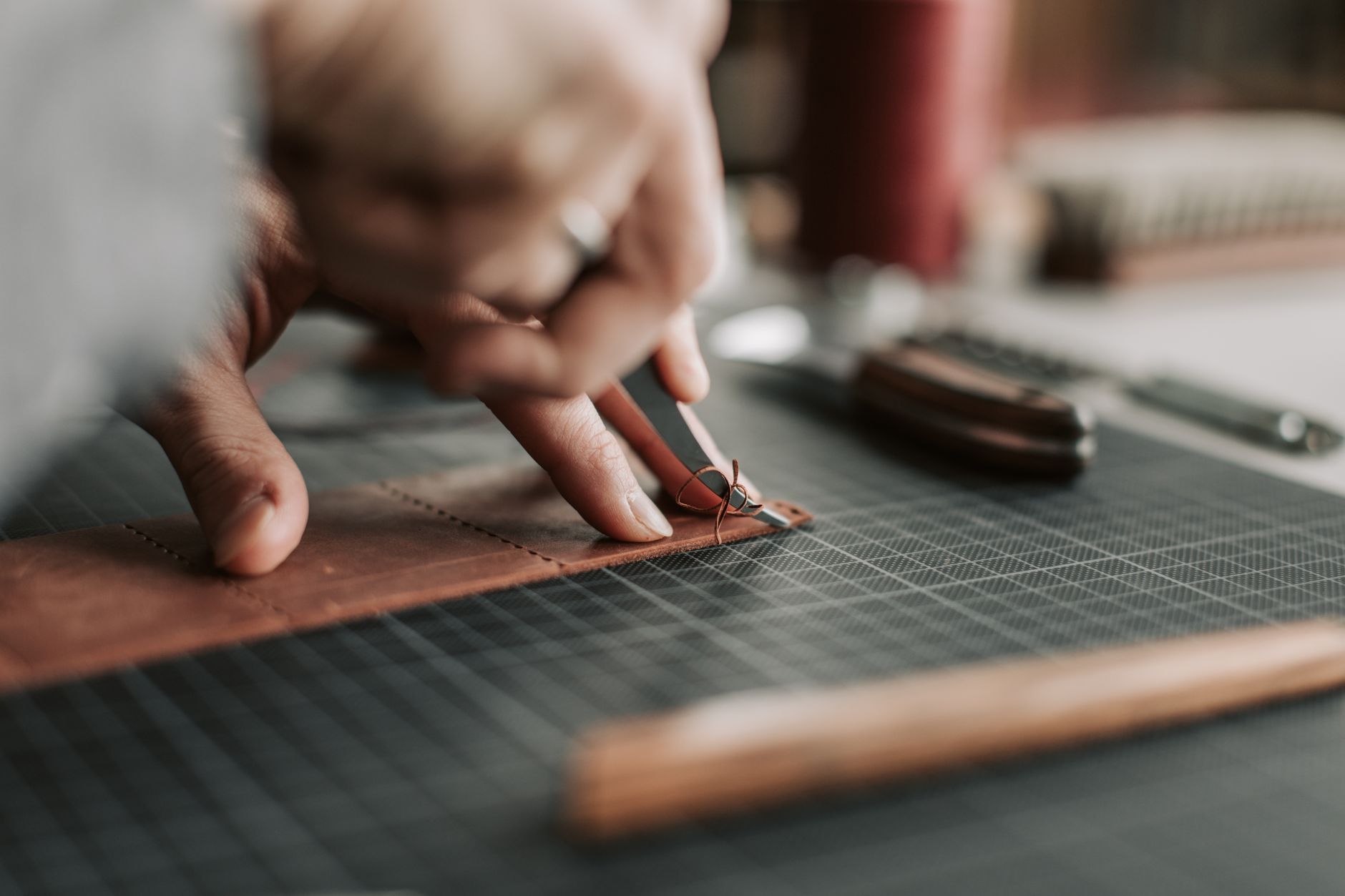
Sialkot, Pakistan, a city long synonymous with global sports manufacturing, faces a critical juncture in 2026. The revered tradition of hand-stitching footballs, a cornerstone of the local economy and identity, is increasingly threatened by the rise of machine-made alternatives. This shift impacts thousands of skilled artisans and raises questions about the future of a craft deeply embedded in the region’s heritage. Readers will learn about the enduring value of these artisanal footballs, the economic pressures on their makers, and the broader implications for traditional manufacturing worldwide.
- The traditional hand-stitching of footballs in Sialkot, Pakistan, is under significant pressure from automated production.
- Artisans are struggling to maintain livelihoods as the global market increasingly favours cost-effective machine-made balls.
- Despite market pressures, hand-stitched footballs retain a reputation for superior quality, feel, and durability among purists.
- Preserving this craft requires support for artisans and a renewed appreciation for traditional manufacturing processes.
For decades, Sialkot has been a dominant force in the global football supply chain. Its skilled workforce perfected the intricate process of hand-stitching panels, creating balls renowned for their consistent shape and playability. This artisanal expertise supplied major sporting events and recreational leagues across the globe for many years.
However, recent technological advancements have accelerated the adoption of machine-stitching and thermal bonding techniques. These methods promise faster production times and lower manufacturing costs, directly challenging the economic viability of traditional handcraft.
Why Do Hand-Stitched Footballs Remain Significant?
Despite the push for automation, hand-stitched footballs hold a distinct appeal for many players and connoisseurs. Artisans meticulously interlock each panel, resulting in a ball that offers a superior feel and consistent flight trajectory. This traditional construction often provides enhanced durability, making the balls more resistant to wear and tear over extended use.
The craftsmanship involved also contributes to a more robust spherical shape. This precision is critical for professional play, where even minor inconsistencies can affect performance. Many athletes and coaches continue to advocate for the unique qualities only a hand-stitched ball can deliver on the pitch.
How Are Artisans Adapting to Market Shifts?
Pakistani artisans, particularly in Sialkot, are finding various ways to navigate the evolving market. Some workshops are focusing on niche markets, producing premium-grade hand-stitched balls for customers who prioritize quality over cost. These smaller operations often cater to specific clubs or individual players seeking bespoke products.
Other artisans are seeking opportunities in fair trade initiatives, which aim to ensure equitable compensation for their skilled labour. These programs connect traditional makers directly with ethical consumers, bypassing exploitative supply chains. This approach helps sustain livelihoods while promoting the value of traditional craftsmanship.
What Economic Challenges Do Traditional Makers Face?
The economic pressures on hand-stitching artisans are substantial. Machine production significantly reduces labour costs, allowing manufacturers to offer balls at much lower prices. This competitive disadvantage makes it challenging for traditional workshops to compete on a large scale.
Many artisans work on a piece-rate basis, meaning their income is directly tied to the number of balls they stitch. As demand shifts towards machine-made products, their workload decreases, leading to reduced earnings. This situation threatens generational knowledge transfer, as younger individuals may opt for more stable, albeit less traditional, employment.
Evidence and Perspectives on Craft Preservation
The decline in traditional crafts is a global concern, impacting various industries beyond sports equipment. Organizations dedicated to economic development frequently highlight the importance of supporting skilled labour and preserving cultural heritage. The World Bank, for instance, emphasizes the role of jobs and development in sustaining communities, often including traditional craft sectors. More information on global efforts to support skilled labour can be found through their initiatives on jobs and development.
Experts in industrial economics note that while automation offers efficiency, it often comes at the cost of unique product characteristics and local employment. The intricate process of hand-stitching is difficult to replicate entirely by machine, suggesting a unique value proposition for those willing to invest in quality.
Implications for the Global Sports Market
The future of hand-stitched footballs in Sialkot has broader implications for the global sports market. It highlights the ongoing tension between mass production efficiency and the preservation of artisanal quality. Consumers and sports organizations face choices that will determine the longevity of traditional manufacturing techniques.
Supporting hand-stitched footballs extends beyond purchasing a product; it represents an investment in human skill, cultural heritage, and the livelihoods of communities. As the world moves further into an automated era, the value of handmade goods may see a resurgence, driven by a desire for authenticity and superior craftsmanship.
The ongoing struggle in Sialkot serves as a poignant reminder of the human element behind the global sports industry. Preserving this intricate craft requires conscious decisions from manufacturers, retailers, and consumers alike to ensure that the hands behind the beautiful game continue to contribute to its legacy for generations to come.


