
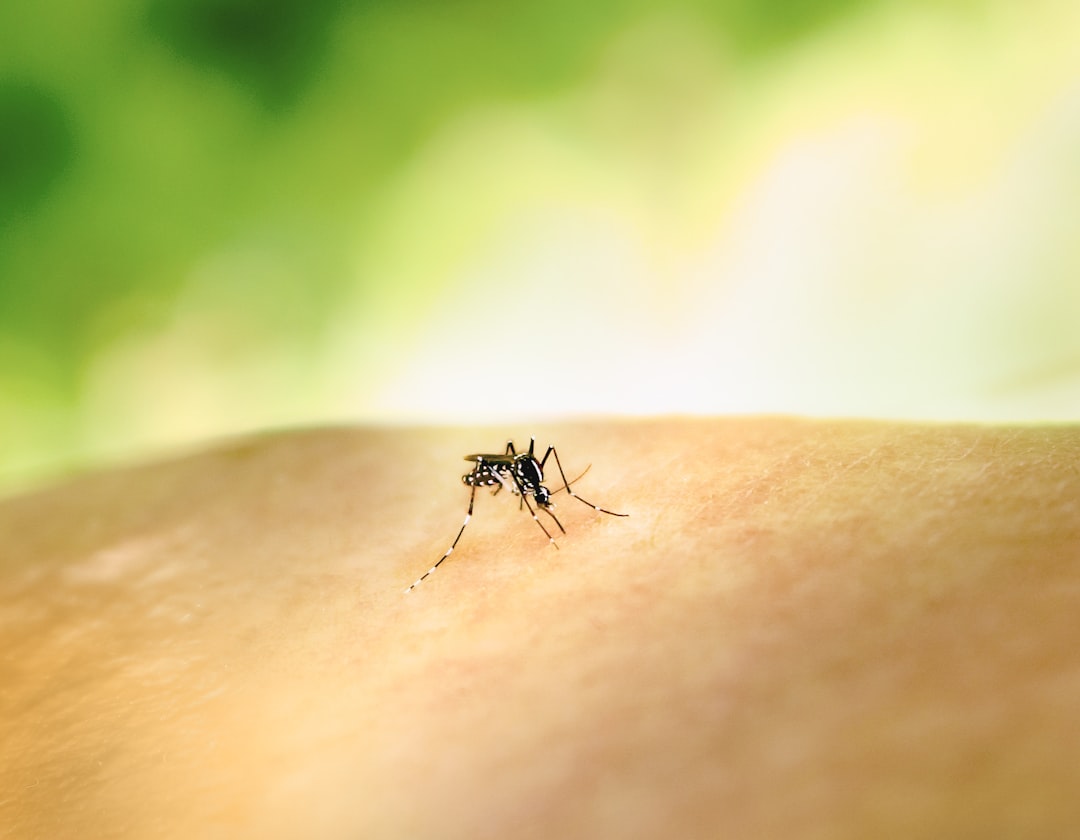
Many Canadians instinctively scratch insect bites for immediate relief, a common reaction to irritating skin sensations. However, this seemingly harmless habit can escalate discomfort and lead to significant health complications. Understanding the scientific mechanisms reveals why scratching often exacerbates inflammation, increases infection risk, and prolongs the itching cycle. This article explores the dermatological reasons behind this counterproductive behaviour and offers evidence-backed alternatives for managing bug bite irritation effectively.
- Scratching bug bites can worsen local inflammation and damage skin integrity.
- It introduces bacteria, significantly elevating the risk of secondary skin infections like cellulitis.
- The act of scratching often intensifies the itch-scratch cycle, prolonging discomfort.
- Effective alternatives exist, including cold compresses, anti-itch creams, and oral antihistamines.
Insect bites trigger an immune response, causing the body to release histamine. This chemical dilates blood vessels, leading to the characteristic redness, swelling, and itchiness. The initial relief from scratching is often due to the brain registering pain signals over itch signals, a temporary distraction rather than a solution. This brief respite, however, comes at a cost to skin health.
How Does Scratching Worsen Inflammation?
When skin is scratched vigorously, particularly with fingernails, it causes microscopic tears and abrasions. These tiny injuries further disrupt the skin’s protective barrier, known as the stratum corneum. This damage allows irritants and allergens to penetrate more easily. Consequently, the body’s inflammatory response intensifies, leading to more pronounced swelling and redness around the bite area. The initial itch can become more severe and widespread, creating a cycle of increasing irritation.
What Are the Risks of Skin Infection?
Fingernails harbour various bacteria, including common strains like Staphylococcus aureus and Streptococcus pyogenes. Introducing these bacteria into open wounds created by scratching significantly increases the risk of secondary infections. Conditions such as impetigo, folliculitis, or even cellulitis can develop, often requiring antibiotic treatment. These infections are particularly concerning for individuals with compromised immune systems or pre-existing skin conditions, where minor breaks in the skin can lead to serious systemic issues. Prompt attention to skin integrity is vital.
Can Scratching Prolong the Itch?
Scratching can activate nerve pathways that reinforce the sensation of itching, creating a vicious itch-scratch cycle. This neurological feedback loop makes it harder to stop scratching, even when aware of the negative consequences. The constant irritation prevents the skin from healing naturally, sometimes leading to a chronic itch. This persistent scratching can also cause lichenification, a thickening and hardening of the skin that further exacerbates discomfort and alters skin texture. Breaking this cycle is key to recovery.
What Are Effective Alternatives to Managing Itch?
Fortunately, several evidence-based strategies can provide relief without resorting to scratching. Applying a cold compress or an ice pack to the bite area can effectively numb nerve endings and reduce localized inflammation. Over-the-counter topical creams containing hydrocortisone, calamine lotion, or pramoxine can soothe irritation and reduce the urge to scratch. Oral antihistamines, available without prescription, can also effectively mitigate the body’s systemic histamine response, thereby reducing overall itchiness and promoting comfort. Always follow product directions carefully.
Evidence and Expert Perspectives on Skin Care
Dermatologists consistently advise against scratching insect bites due to the clear link between skin trauma and infection. Research published in recent years has consistently underscored the microbiological risks associated with skin barrier disruption. For example, studies have indicated that a significant percentage of localized bacterial skin infections, often requiring antibiotics, originate from self-inflicted wounds like those from scratching. Public health organizations, including Health Canada, often issue comprehensive guidelines recommending gentle, non-invasive methods for managing minor skin irritations to prevent secondary complications. These guidelines emphasize maintaining skin integrity as a primary defence against pathogens.
A comprehensive resource on managing common skin irritations and maintaining skin health can be found on the Health Canada website regarding skin conditions. This resource provides valuable information on best practices.
Preventing Future Bites and Managing Reactions
Beyond immediate relief, proactive measures can significantly reduce the incidence and severity of insect bites. Using insect repellents containing DEET or picaridin, wearing long sleeves and pants outdoors, and avoiding peak insect activity times are effective preventative strategies. For those prone to severe reactions, consulting a healthcare professional for personalized advice on managing allergic responses is advisable. Early intervention can prevent minor bites from becoming major issues.
What Are the Long-Term Implications for Skin Health?
Repeated scratching can lead to chronic skin changes beyond immediate infection. Persistent inflammation and trauma can result in post-inflammatory hyperpigmentation, leaving dark spots that may take months or even years to fade. In some cases, aggressive scratching can cause permanent scarring, particularly for individuals with darker skin tones or those prone to keloids. Prioritizing non-scratching relief methods is crucial for maintaining both immediate comfort and long-term skin appearance and health. The integrity of the skin barrier is paramount.
Preventing these complications involves a proactive approach to bite management. Individuals should aim to clean the affected area promptly and apply appropriate soothing agents, such as those recommended by dermatologists. Educating oneself on the science behind the itch-scratch cycle empowers better decision-making and fosters healthier skin care habits. This knowledge is a powerful tool.
Understanding why scratching is detrimental empowers individuals to adopt healthier coping mechanisms. Breaking the itch-scratch cycle protects skin from infection, reduces inflammation, and promotes faster, more complete healing. Prioritizing gentle care ensures minor irritations do not escalate into more serious dermatological issues, safeguarding overall skin health for Canadians.


