
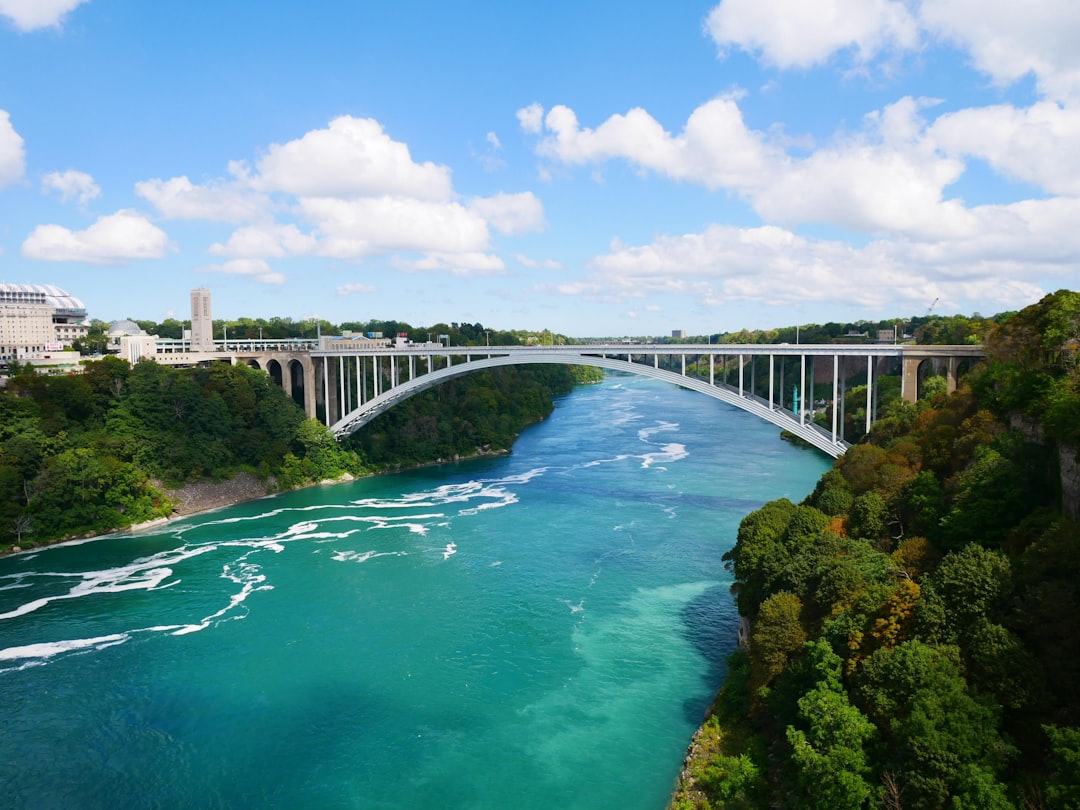
The highly anticipated opening of the Gordie Howe International Bridge, a critical economic artery connecting Windsor, Ontario, and Detroit, Michigan, continues to face delays. Central to this protracted timeline are ongoing U.S. concerns regarding construction costs and their impact on future revenue-sharing agreements. Recently, former U.S. Ambassador to Canada Pete Hoekstra publicly refuted the widespread belief that Canada is solely funding the bridge’s construction, labelling it a “big myth.” This dispute underscores complex financial negotiations that are currently holding back the full operational launch of this monumental infrastructure project. Readers will learn about the financial intricacies, project delays, and the broader implications for Canada-U.S. trade.
- The Gordie Howe International Bridge opening is stalled due to U.S. concerns over construction costs and their effect on revenue sharing.
- Former U.S. Ambassador Pete Hoekstra previously asserted that Canada’s full funding of the bridge is a misconception, challenging common narratives.
- The project, largely financed by Canada with recoupment via tolls, faces complex financial reviews impacting its operational launch.
- Delays in the bridge’s completion and subsequent opening carry significant economic implications for cross-border trade and regional economies.
The Gordie Howe International Bridge represents a crucial link in North America’s trade infrastructure. Designed to alleviate congestion at the Ambassador Bridge, it promises enhanced efficiency for commercial traffic and travellers between Canada and the United States. The project is managed by the Windsor-Detroit Bridge Authority (WDBA), a Canadian Crown corporation, in collaboration with the State of Michigan.
The funding model for the bridge has always been a point of interest. Canada committed to financing the majority of the project’s construction costs, with the expectation of recouping its investment through future toll revenues. This arrangement aimed to streamline the project’s development, given the significant economic benefits anticipated for both nations. The bridge’s strategic location is vital for industries relying on just-in-time delivery, particularly the automotive sector.
What are the revenue-sharing implications for the Gordie Howe Bridge?
The core of the current impasse revolves around revenue sharing. The U.S. administration, as articulated by former Ambassador Hoekstra, seeks a thorough review of how escalating construction costs and project delays might affect the projected toll revenues. Such a review is critical because these revenues are intended to repay Canada’s substantial upfront investment.
Any significant deviation from initial financial projections could necessitate renegotiation of the original agreements. This process adds layers of complexity to the operational launch, as both nations aim to ensure equitable financial outcomes. The delay in opening means a delay in revenue generation, extending the period for Canada to recoup its investment.
How have construction delays impacted the bridge’s timeline?
Construction of the Gordie Howe International Bridge has faced various challenges, including supply chain disruptions and labour considerations, which have pushed back its projected completion and opening dates. While significant progress has been made on the physical structure, these delays contribute directly to the U.S.’s concerns regarding revenue sharing.
Each delay adds to the overall project cost, potentially altering the financial landscape upon which the original revenue-sharing models were based. Stakeholders on both sides of the border closely monitor these developments. The physical completion of the bridge does not automatically translate to its immediate operational status when financial details remain under scrutiny.
What is the current status of the Gordie Howe bridge project?
As of 2026, the Gordie Howe International Bridge stands largely complete in its physical form, a testament to years of binational effort. The iconic cable-stayed design now spans the Detroit River, connecting the two nations with a visible symbol of economic partnership. However, the administrative and financial hurdles persist, preventing its full public opening.
The focus has shifted from construction milestones to the intricate details of operational agreements, customs integration, and the aforementioned revenue-sharing framework. Until these critical elements are finalized and agreed upon by both the Canadian and U.S. governments, the bridge remains a completed structure awaiting its official debut.
Evidence & Perspectives
Former U.S. Ambassador Pete Hoekstra, during his tenure, openly questioned the prevailing narrative surrounding the bridge’s funding. He argued that while Canada fronted the capital, the U.S. contribution would manifest through future toll revenues and the economic benefits derived from improved trade flow. His statements highlighted the nuanced financial agreements underpinning such massive binational projects.
The Windsor-Detroit Bridge Authority (WDBA) has consistently provided updates on the construction progress and the project’s economic impact. According to official documentation, the bridge is designed to be self-financing through tolls once operational, with Canada’s initial investment being repaid over time. The WDBA’s role involves overseeing the design, construction, financing, operation, and maintenance of the bridge. For comprehensive project information and official updates, refer to the Windsor-Detroit Bridge Authority’s official website. This transparent reporting helps stakeholders understand the complexities of such a large-scale public-private partnership.
Implications
The ongoing delay in the Gordie Howe International Bridge’s opening carries tangible implications for cross-border trade and regional economies. Businesses relying on the efficient movement of goods between Canada and the U.S., particularly those in the automotive and manufacturing sectors, continue to face bottlenecks at existing crossings. The new bridge was designed to alleviate this pressure, offering a much-needed alternative.
For the communities of Windsor and Detroit, the full operational status of the bridge promises increased economic activity, job creation, and improved commuter flow. The prolonged wait, therefore, represents deferred economic benefits. Resolving the revenue-sharing dispute and finalizing operational protocols are paramount to unlocking the full potential of this critical infrastructure investment.
The Gordie Howe International Bridge stands as a symbol of Canada-U.S. partnership, yet its delayed opening underscores the complexities inherent in large-scale binational projects. While the physical structure is a testament to engineering prowess, the finalization of financial and operational agreements remains the critical hurdle. Both nations continue to work towards a resolution, recognizing the immense economic importance of this new gateway.


