
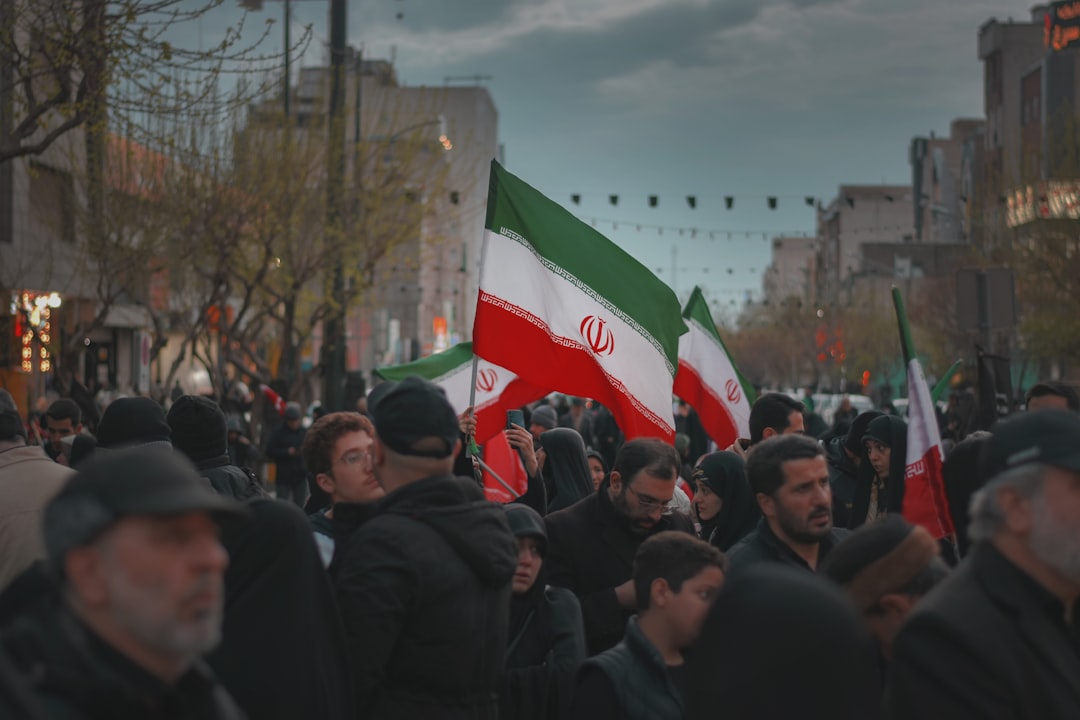
Millions of Iranians recently participated in the extensive funeral ceremonies for the late Supreme Leader Ayatollah Ali Khamenei. This unprecedented mobilization across major cities served as a powerful demonstration of national unity and the enduring strength of the Islamic Republic. The events underscored a critical juncture for Iran’s leadership transition, drawing significant international attention. Readers will learn about the immediate aftermath of Khamenei’s passing, the implications for domestic stability, and the complex regional dynamics now in play.
- Millions of Iranians joined the recent funeral ceremonies for Ayatollah Ali Khamenei, showcasing a significant display of public support.
- The state-orchestrated event served to project the Islamic Republic’s enduring power and internal unity amidst a critical transition.
- Khamenei’s passing initiates a complex and closely watched succession process for Iran’s highest authority.
- The coming period will likely see shifts in domestic policy and Iran’s strategic regional posture.
Ayatollah Ali Khamenei served as Iran’s Supreme Leader for decades, a tenure marked by significant domestic and international challenges. His role, defined by the constitution, encompassed ultimate authority over state policy, military, and judiciary. This position made him the most powerful figure in the Islamic Republic. His passing thus represents a profound shift in the nation’s political landscape. The last such transition occurred decades ago, establishing a precedent for a carefully managed process overseen by the Assembly of Experts.
How Did Iran Respond to the Supreme Leader’s Passing?
The national response to Ayatollah Khamenei’s death was immediate and extensive. State media outlets provided continuous coverage of the mourning period. Public squares in major urban centres, including Tehran, quickly filled with mourners. This widespread participation, whether spontaneous or state-organized, sent a clear message of national cohesion.
Government officials and religious leaders consistently emphasized unity and resilience during this period. The scale of the funeral processions, spanning several days and routes, highlighted the state’s capacity for large-scale public mobilization. This also served as a potent display of internal support for the existing political system.
What Does the Succession Process Entail?
The selection of a new Supreme Leader is constitutionally mandated to the Assembly of Experts. This body comprises 88 clerics, elected by popular vote, though their vetting process is rigorous. Their primary duty is to identify and appoint a successor who meets specific religious and political qualifications.
The process is inherently opaque, often conducted behind closed doors. Criteria for the next leader include religious scholarship, political acumen, and revolutionary commitment. Historically, the selection has involved extensive deliberation to ensure stability and continuity within the Islamic Republic’s foundational principles. The outcome will shape Iran’s domestic trajectory for decades.
How Might Regional Dynamics Be Affected?
Iran’s foreign policy under Ayatollah Khamenei was characterized by a strong anti-Western stance and robust support for regional allies. This included engagement with various non-state actors across the Middle East. The Supreme Leader’s directives guided the country’s strategic decisions on nuclear negotiations, regional conflicts, and international relations.
A new leader could introduce subtle, or even significant, shifts in these established postures. While core principles are likely to remain, interpretations and operational approaches might evolve. Neighbouring countries and global powers will closely monitor any indications of policy adjustments. This includes Iran’s involvement in proxy conflicts and its approach to nuclear proliferation concerns.
What Are the Economic Implications for Iran?
Iran’s economy faces persistent challenges, including international sanctions and high inflation. The stability offered by a smooth leadership transition is crucial for economic confidence. Any perceived instability could deter foreign investment and exacerbate domestic economic pressures.
The new Supreme Leader will inherit a complex economic landscape. Their vision and priorities could influence policy decisions regarding trade, energy, and engagement with international markets. Continuity in economic management might be prioritized to avoid further disruption. However, a new approach to sanctions relief or internal reforms could also emerge.
Expert Perspectives on Iran’s Political System
Understanding the unique constitutional framework of the Islamic Republic is crucial to grasping the magnitude of this transition. The Supreme Leader holds a position with extensive powers, as detailed by Council on Foreign Relations’ detailed analyses of Iran’s political system. These frameworks ensure that while popular elections occur, ultimate authority rests with the Supreme Leader.
Analysts generally agree that the system is designed for continuity, even during significant leadership changes. The Assembly of Experts, along with other powerful bodies, acts as a safeguard. This structure aims to prevent radical departures from the established ideological path. However, the personality and priorities of the new leader will inevitably leave their mark.
Observers suggest that the immediate focus will be on maintaining internal cohesion. This strategy seeks to project an image of unwavering strength to both domestic and international audiences. The state’s ability to manage this transition smoothly will be a key indicator of its resilience.
The passing of Ayatollah Ali Khamenei marks a profound moment in Iran’s contemporary history. The subsequent period of mourning and the impending selection of a new Supreme Leader will define the nation’s trajectory. This transition carries significant implications for Iran’s internal politics, its economic future, and its role on the global stage. Navigating these complexities will require careful statecraft and continued national unity, shaping the next chapter of the Islamic Republic.


