
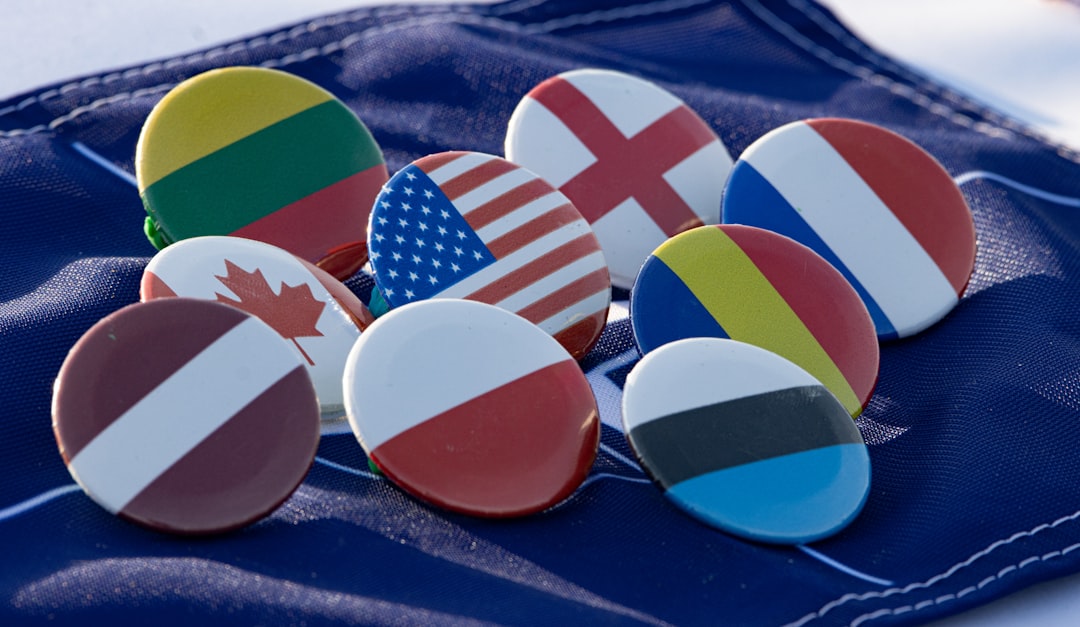
Canada’s recent decision to participate in a prominent international song competition marks a significant pivot in its cultural diplomacy. Prime Minister Mark Carney’s administration announced this groundbreaking move on Canada Day. This initiative aims to deepen Canada’s ties with European nations and the European Union. Observers suggest this strategy aligns with broader foreign policy objectives. Readers will learn about the rationale behind this unexpected cultural venture. They will also discover its potential implications for Canada’s global standing and national identity.
- Canada recently announced its entry into a major international song competition.
- This move, spearheaded by Prime Minister Mark Carney, seeks to bolster Canadian-European relations.
- The initiative was first hinted at in the 2025 federal budget.
- It represents a notable shift in Canada’s approach to soft power and cultural diplomacy.
The idea of Canada joining a major international song competition emerged during the 2025 federal budget discussions. It was a brief mention amidst broader economic forecasts. This detail, initially overlooked, gained prominence with the official Canada Day announcement. The timing underscored a deliberate message from Prime Minister Carney’s government. It signals a strategic intent to intertwine national celebration with international engagement. Historically, Canada has focused on North American and Commonwealth relations. This new direction signifies a proactive push towards European integration.
How Does a Song Competition Entry Align with Canada’s Foreign Policy?
Prime Minister Carney has consistently advocated for strengthened alliances beyond traditional partners. His vision emphasizes “soft power” as a crucial diplomatic tool. Participating in a widely watched cultural event offers a unique platform. It allows Canada to project its cultural diversity and artistic talent globally. This strategy aims to foster goodwill and mutual understanding. It could also open doors for future economic and political collaborations.
This approach leverages cultural exchange to build stronger international bonds. It moves beyond traditional state-to-state negotiations. Instead, it engages populations directly through shared experiences. Such initiatives can create a more favourable global perception of Canada. This positive image can support broader trade and investment goals.
What Are the Potential Cultural and Economic Implications?
Canada’s entry could significantly boost its cultural sector. Artists and musicians may gain unprecedented international exposure. This exposure could translate into new markets for Canadian talent. New collaborations with European artists might also emerge. This fosters a vibrant cross-cultural exchange.
Furthermore, the initiative presents tangible economic opportunities. Increased tourism to Canada is a foreseeable benefit. It could also stimulate investment in Canadian arts organizations. The contest provides a unique stage to showcase Canada’s multicultural identity. This participation fosters a deeper appreciation for Canadian arts and heritage.
How Has Public and International Reaction Unfolded?
The announcement sparked considerable discussion across Canada. Some commentators lauded the bold diplomatic move. They highlighted its potential for global engagement. Others questioned the financial investment and its direct benefits. Debates centred on resource allocation and national priorities.
Internationally, the reception has been largely positive. European media outlets have expressed curiosity. They welcomed Canada’s participation as an intriguing development. This engagement highlights a growing global interest in cultural diplomacy. It also demonstrates the unifying power of music across borders.
Are There Precedents for Non-European Participation in Such Contests?
Indeed, Australia’s long-standing involvement in the Eurovision Song Contest provides a key precedent. Australia, a non-European nation, has successfully competed for years. Their participation demonstrates the evolving nature of these international events. It proves that geographical boundaries are becoming less rigid. This precedent likely influenced Canada’s decision. It illustrates a clear pathway for global cultural integration.
Other non-European countries have also shown interest or participated in similar cultural exchanges. These examples reinforce the idea that cultural events transcend traditional geopolitical groupings. They offer new avenues for nations to connect. Canada’s move aligns with this broader trend of global cultural outreach.
Evidence and Expert Perspectives on Cultural Diplomacy
Experts in international relations view this move as a pragmatic shift. Dr. Anya Sharma, a prominent political science professor, recently noted the increasing importance of cultural diplomacy. She highlighted its capacity to build bridges where traditional politics falters. Such initiatives can cultivate a positive national brand image. They also foster long-term international relationships.
The Government of Canada’s official stance on cultural diplomacy, outlined in various policy documents, supports this approach to global engagement. These documents emphasize projecting Canadian values and culture abroad. They aim to strengthen Canada’s standing on the world stage. For further details, consult Global Affairs Canada on Cultural Diplomacy. This strategy aims to complement traditional foreign policy efforts.
What Are the Broader Implications for Canada Moving Forward?
This strategic cultural outreach could redefine Canada’s international identity. It positions the nation not just as a North American power, but as a global cultural player. The initiative may also inspire further non-traditional diplomatic efforts. These could include more cultural exchanges or joint artistic projects.
Domestically, it could ignite a renewed sense of national pride. It might also stimulate investment in the Canadian arts scene. This includes funding for talent development and creative industries. The long-term success will depend on sustained engagement and public support. It signifies a forward-looking vision for Canada’s place in the world.
Canada’s foray into this international song competition represents more than just a musical performance. It is a calculated diplomatic manoeuvre. This bold step underscores a commitment to fostering deeper global connections through shared cultural experiences. It invites Canadians to embrace a broader world stage, showcasing national talent and values. This strategic move aims to strengthen Canada’s voice and influence internationally.


