
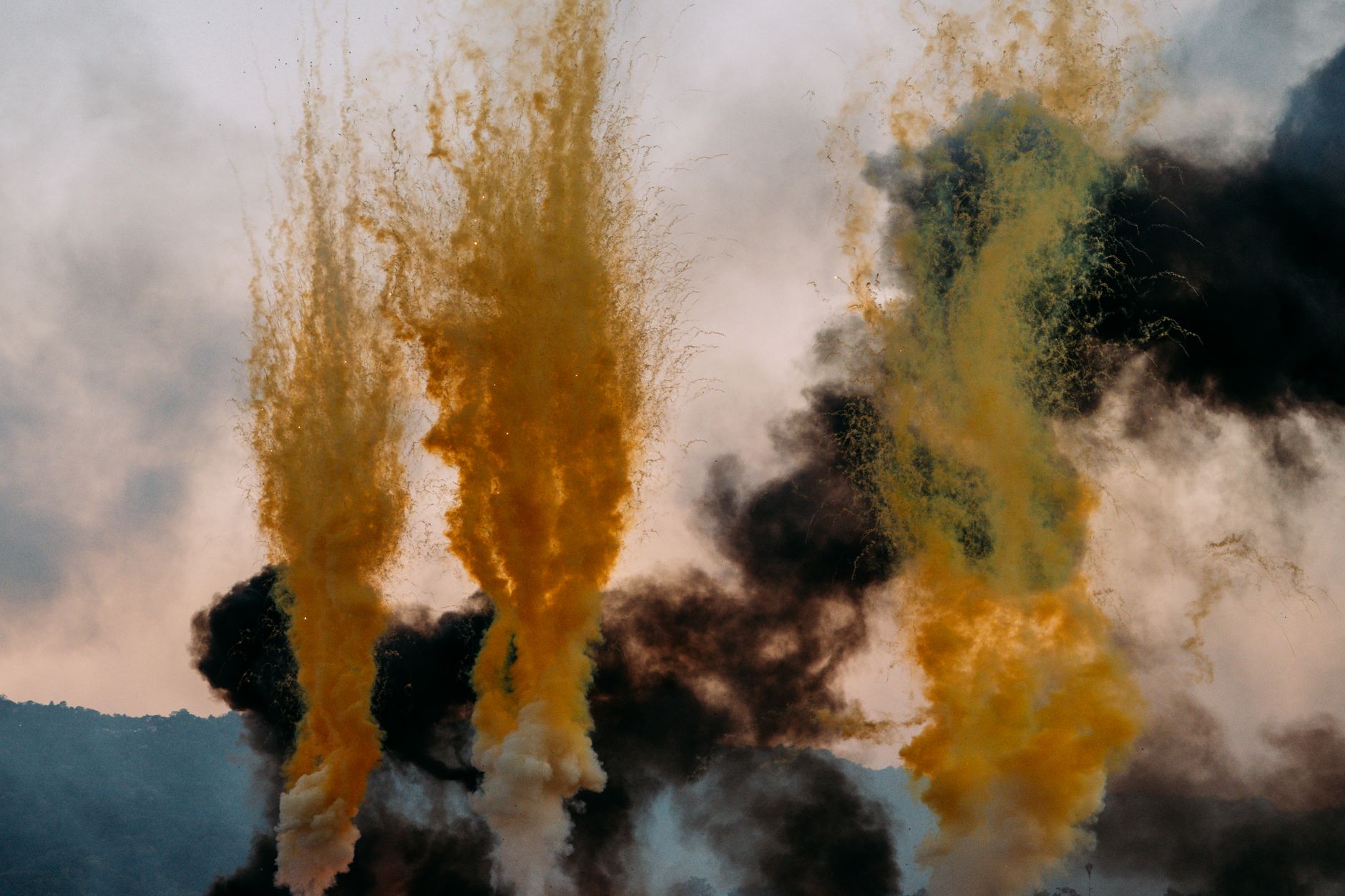
Residents across Syria’s capital, Damascus, recently experienced a series of powerful explosions, sending plumes of smoke billowing into the sky. Television footage captured the immediate aftermath, prompting widespread concern both locally and internationally. The immediate cause of these Damascus explosions remains unconfirmed, reigniting fears of escalating instability in the already volatile region. This article will explore the immediate impact, the ongoing investigation into their origin, and the broader geopolitical ramifications for Syria and its neighbours.
- Multiple explosions were recently reported across Damascus, with television footage showing significant smoke plumes.
- The precise cause and responsible party for the blasts remain unconfirmed.
- The incident underscores persistent security fragilities within Syria, impacting civilian populations.
- Regional and international observers are closely monitoring the situation for potential escalations.
Contextualizing the Incidents in Damascus
Damascus, one of the world’s oldest continuously inhabited cities, has endured significant turmoil in recent years. The Syrian conflict, which began over a decade ago, has left the nation deeply scarred. While large-scale fighting has subsided in many areas, sporadic incidents of violence continue to plague various regions. These events often highlight the complex web of domestic and international actors operating within Syrian borders. The city remains a crucial strategic point. Any security breach here becomes a matter of significant concern for regional stability.
What Was the Immediate Impact on Damascus?
The reverberations of the recent explosions were widely felt across Damascus. Initial reports, corroborated by television footage, depicted thick columns of smoke rising from various locations. Emergency services were reportedly deployed promptly to assess potential damage and casualties. The full extent of any structural harm or human cost is still being compiled by local authorities. Such incidents invariably disrupt daily life and heighten anxiety among the populace, forcing residents to once again contend with uncertainty.
Who is Responsible for the Blasts?
As of now, no group or entity has officially claimed responsibility for the Damascus explosions. This absence of immediate attribution complicates efforts to understand the motivations behind the attacks. Historically, various factions, including state actors and non-state groups, have been implicated in similar incidents within Syria. Analysts suggest that the lack of claim could indicate a covert operation or a deliberate strategy to sow confusion. Investigations are undoubtedly underway to identify the perpetrators and their objectives.
How Do These Explosions Affect Regional Stability?
The recent blasts in Damascus inevitably cast a shadow over regional stability. Syria’s neighbours, including Lebanon, Jordan, and Turkey, often feel the direct impact of internal Syrian events. Any escalation could trigger renewed refugee flows or cross-border incursions, straining already fragile relations. International powers with vested interests in the Syrian conflict also closely watch these developments. Diplomatic efforts to de-escalate tensions could be severely undermined by such unpredictable incidents. The geopolitical chessboard remains highly sensitive.
What Are the Long-Term Implications for Syria?
For Syria, incidents like the Damascus explosions exacerbate an already dire humanitarian situation. Millions remain internally displaced or as refugees in neighbouring countries. The country’s infrastructure is severely damaged, and its economy struggles under sanctions and conflict. These security breaches further deter critical reconstruction efforts and foreign investment. They also prolong the suffering of ordinary Syrians striving for normalcy. The continued instability underscores the urgent need for a lasting political resolution, moving beyond cycles of violence.
Evidence and Expert Perspectives
Television footage immediately following the explosions provided compelling visual evidence of the smoke plumes over Damascus. While official Syrian state media offered limited details, regional news outlets extensively covered the immediate aftermath. Experts in Middle Eastern security affairs suggest these incidents often serve as proxy actions or attempts to test regional defence capabilities. The complexity of the Syrian conflict means attributing responsibility is rarely straightforward. Data from organizations like the United Nations Office for the Coordination of Humanitarian Affairs (OCHA) consistently highlights the ongoing humanitarian crisis in Syria. For example, recent OCHA reports detail the persistent needs of vulnerable populations across the country, a situation only worsened by such security events. You can review these comprehensive assessments on the United Nations Office for the Coordination of Humanitarian Affairs (OCHA) reports on Syria webpage.
The recent explosions in Damascus serve as a stark reminder of Syria’s entrenched fragility. While the immediate focus remains on understanding the cause and impact, the incident undeniably underscores the persistent challenges to peace and security in the nation. It highlights the urgent need for sustained international engagement and diplomatic efforts to foster stability and alleviate the profound humanitarian crisis that continues to affect millions of Syrians. Continued vigilance and support for diplomatic solutions are paramount for the region’s future.


