
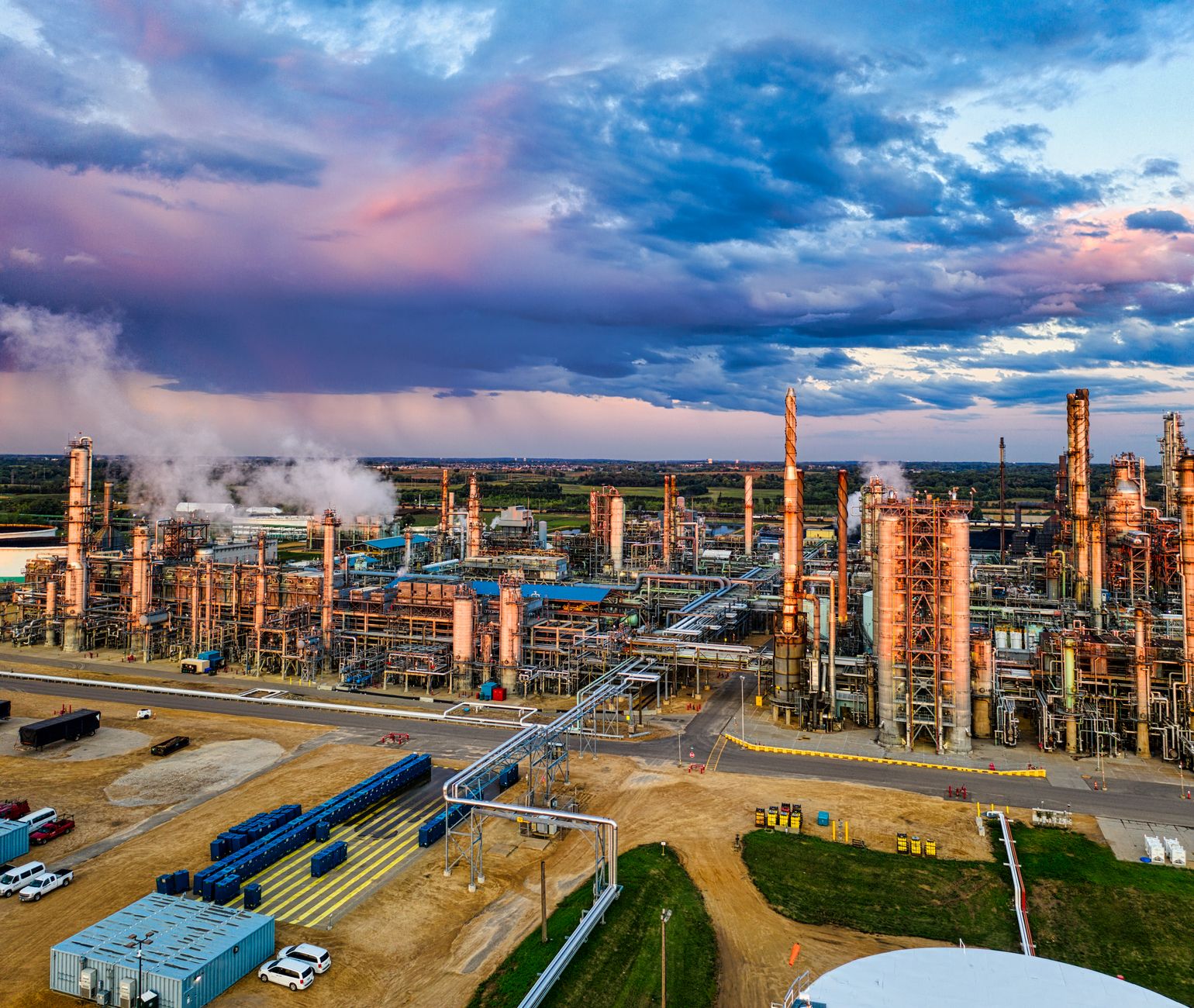
Canada’s oil patch is on the cusp of a potentially unprecedented era. Recent global events have ignited discussions about a new ‘super-cycle of production growth.’ This outlook could reshape the nation’s energy future. This projected surge, primarily centred in Alberta, is gaining traction. Industry observers and political leaders are increasingly discussing this potential. Readers will discover the factors driving this optimism. They will also learn about its potential economic implications. Furthermore, the article explores how Canada’s energy sector is positioning itself amidst evolving global demands.
- Alberta’s oil patch is projected to enter a new era of significant production growth, termed a ‘super-cycle.’
- Recent geopolitical shifts and evolving global energy security concerns are primary drivers of this optimism.
- The full economic and industrial impact of this potential super-cycle is expected to materialize over the next 15 years.
- This trend carries substantial implications for Canada’s economy, energy policy, and environmental commitments.
The concept of a ‘super-cycle’ in energy production gained prominence following observations by various commentators. Notably, late last year, Alberta Premier Danielle Smith articulated this vision. She highlighted the potential for sustained growth within the province’s vital oil and gas sector. This sentiment has been echoed by figures like John Ivison. He suggested that certain market dynamics could bring long-held aspirations for the oil patch to fruition.
For years, the Canadian energy sector faced headwinds from global efforts towards energy transition. However, recent developments have prompted a reassessment of long-term energy needs. Geopolitical instability in key oil-producing regions has underscored this. It highlights the importance of secure, reliable energy supplies from stable jurisdictions like Canada.
What Factors Are Fueling This Optimism?
Firstly, global energy demand continues to rise. This is especially true in developing economies. While renewable energy sources are expanding, the transition period still necessitates substantial fossil fuel contributions.
Secondly, supply disruptions in other parts of the world have highlighted Canada’s appeal. It is seen as a consistent and ethical energy provider. The nation’s robust regulatory environment and commitment to responsible resource development offer a distinct advantage. This enhances its standing in a volatile global market.
Finally, technological advancements within the oil sands are improving efficiency. They are also reducing the environmental footprint. Innovations in extraction methods and carbon capture technologies are making Canadian oil more competitive. These developments also address some environmental concerns.
How Might Global Energy Dynamics Shift?
The potential for a Canadian oil production super-cycle signals a re-evaluation of global energy strategies. Nations are increasingly prioritizing energy security alongside climate goals. This dual imperative suggests a more pragmatic approach to energy transition. Traditional sources continue to play a crucial role for decades.
Such a shift could lead to increased international investment in Canadian energy infrastructure. Furthermore, it could solidify Canada’s position as a key player. This would ensure global energy stability. The evolving landscape demands adaptable and resilient energy suppliers.
The Role of Geopolitics in Energy Security
Geopolitical tensions have recently underscored the fragility of global supply chains. These events have prompted a renewed focus on domestic and allied energy sources. Canada, with its vast reserves, stands to benefit from this strategic pivot. This ensures that energy remains a critical component of national security discussions worldwide.
What Role Will Technology Play in Production Growth?
Technological innovation is paramount to realizing any super-cycle. Canadian energy companies are heavily investing in research and development. This includes advanced drilling techniques and digital solutions for operational optimization. These efforts aim to boost output while simultaneously enhancing environmental performance.
Carbon capture, utilization, and storage (CCUS) technologies are particularly significant. They offer a pathway to reduce emissions intensity from oil sands operations. Widespread adoption of CCUS could significantly alter the perception and viability of Canadian oil. This innovation positions Canada at the forefront of cleaner hydrocarbon production.
How Could This Impact Canada’s Economy?
A sustained super-cycle in oil production would deliver substantial economic benefits across Canada. Alberta, as the primary producer, would see significant job creation and increased provincial revenues. This influx of capital could then fund public services and diversify the provincial economy.
Beyond Alberta, the economic ripple effects would extend nationwide. Increased demand for Canadian goods and services would benefit other provinces. Investment in pipelines and export infrastructure is also crucial. The energy sector’s contribution to Canada’s GDP would likely grow. For detailed insights into Canada’s energy outlook, consult Natural Resources Canada’s Energy Fact Book.
Investment and Infrastructure Development
Realizing this growth potential requires significant capital investment. Companies would need to expand existing facilities and develop new projects. This also includes investments in infrastructure to transport oil to domestic and international markets efficiently. Such developments are crucial for maximizing the economic return of increased production.
The potential for a Canadian oil production super-cycle represents a pivotal moment for the nation’s energy future. It balances economic prosperity with environmental stewardship. Strategic investments in technology, infrastructure, and sustainable practices will be critical. This approach ensures Canada can meet global energy needs responsibly. It solidifies its role as a reliable and innovative energy leader on the world stage for decades to come.


