
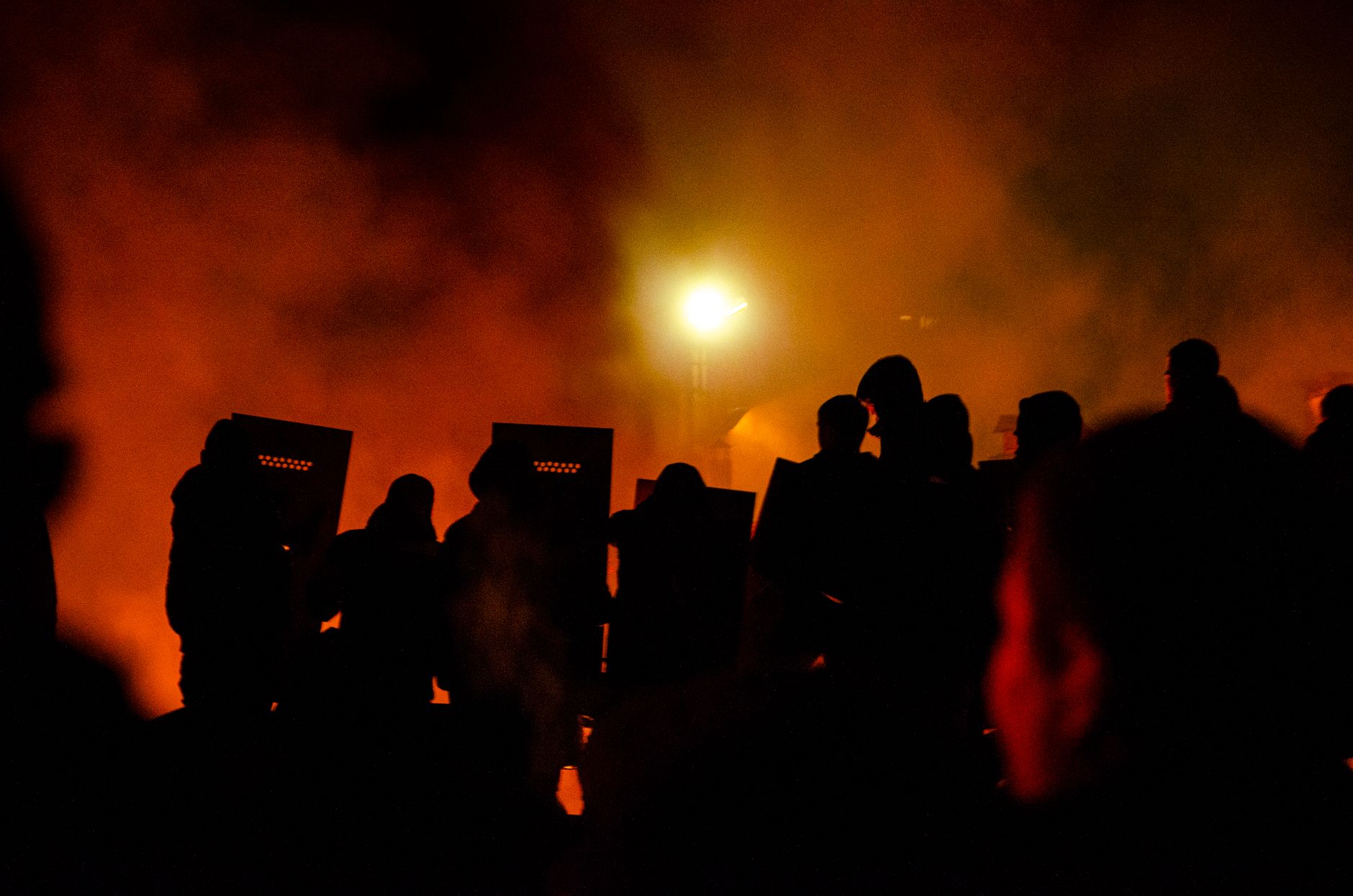
The family of a 53-year-old Edmonton woman fatally shot by Calgary police along Deerfoot Trail recently has publicly stated she was experiencing a severe mental health crisis during the incident. Their heartfelt testimony has reignited a critical dialogue across Canada regarding law enforcement’s protocols when responding to individuals in distress. This tragic event not only highlights individual suffering but also challenges public trust in existing emergency response systems. This article will examine the complex interplay between mental health, police intervention, and the ongoing calls for enhanced support systems, exploring what this incident means for future policy and community safety.
- The family of a woman fatally shot by Calgary police recently asserts she was in a mental health crisis.
- The incident on Deerfoot Trail has intensified calls for improved police training and alternative crisis response models.
- Advocates are pushing for greater integration of mental health professionals in emergency responses.
- This event underscores the urgent need for a national strategy on mental health and policing in Canada.
The tragic incident unfolded on Deerfoot Trail in Calgary late last year, involving officers from the Calgary Police Service. Details surrounding the immediate circumstances leading to the shooting remain under investigation by the Alberta Serious Incident Response Team (ASIRT). However, the family has now come forward, offering a crucial perspective on the deceased woman’s state of mind.
They contend that their loved one was grappling with significant mental health challenges at the time of the fatal confrontation. This public statement has shifted the focus of the discussion, moving beyond the immediate operational aspects of the shooting to the broader societal implications of how mental health emergencies are handled by first responders.
How Are Police Trained for Mental Health Encounters?
Canadian police forces, including the Calgary Police Service, have increasingly implemented specialized training programs aimed at de-escalating situations involving individuals experiencing mental health crises. These programs often include modules on recognizing signs of distress, communication techniques, and the use of force continuum in sensitive contexts. The goal is to prioritize safety for all involved.
Despite these efforts, critics argue that traditional policing models may not be adequately equipped to manage complex mental health emergencies. Many believe that police officers, while trained, are primarily law enforcement agents, not mental health clinicians. This distinction is central to the ongoing debate about appropriate response mechanisms, often placing officers in high-stress situations for which their primary mandate is not designed.
What Role Do Integrated Crisis Response Teams Play?
Across Canada, some municipalities have experimented with or fully implemented integrated crisis response teams. These models often pair police officers with mental health professionals, such as social workers or psychiatric nurses. The aim is to provide a more holistic and therapeutic approach to individuals in crisis.
Proponents of these models suggest they can lead to better outcomes, including reduced use of force and improved access to mental health services. However, the widespread adoption and funding for such programs remain significant challenges. Implementing these teams requires robust inter-agency cooperation, sustained government funding, and a shift in community perception regarding crisis intervention.
What Are the Implications for Public Safety and Mental Health Policy?
The recent Deerfoot Trail incident underscores the urgent need for a comprehensive national strategy addressing mental health crises in relation to public safety. Families often feel unheard or unsupported when navigating the system. Their advocacy is crucial for driving systemic change.
Policy discussions frequently revolve around diverting non-violent mental health calls away from police response entirely. Instead, they propose dedicated mobile crisis units staffed by mental health experts. Such a shift could potentially reduce fatal encounters and better serve vulnerable populations, fostering an environment where mental health support is paramount over punitive measures.
Expert Perspectives and Data Insights
Mental health experts consistently highlight the critical importance of early intervention and specialized support. Dr. Anya Sharma, a leading Canadian forensic psychologist, recently noted that “relying solely on law enforcement for mental health crises often places officers in an impossible position and can escalate situations unnecessarily.” She advocates for a multi-disciplinary approach.
Data from various Canadian jurisdictions indicates a disproportionate number of police-involved fatalities involve individuals with documented mental health issues. While specific national statistics on these incidents are complex to compile due to varying reporting standards, the trend is widely recognized by researchers and advocacy groups. For instance, a recent report from Public Safety Canada on policing in Canada emphasizes the evolving role of police in managing social issues, including mental health challenges.
This evolving role necessitates ongoing re-evaluation of training, resources, and collaborative frameworks. The family’s statement provides a stark human face to these statistical realities, pushing for tangible reforms and emphasizing the need for empathetic, trauma-informed approaches in all crisis interventions.
The family of the Edmonton woman who died on Deerfoot Trail is not alone in their call for change. Their bravery in speaking out serves as a powerful reminder of the human cost when mental health crises intersect with law enforcement. As investigations continue, the broader community and policymakers face a renewed imperative to explore and implement more compassionate and effective strategies for supporting individuals in acute mental distress, ensuring that tragic outcomes like this become less frequent across Canadian communities.


