
Major tourist sites across Paris recently adjusted their operating hours due to record-breaking summer temperatures. This unprecedented European extreme heat response saw iconic monuments close early to protect public safety. Readers will learn how extreme weather impacts global tourism hubs and urban infrastructure.
- Major Parisian monuments, including the Eiffel Tower, enacted early closures during a severe heatwave.
- Approximately one-quarter of mainland France entered the highest possible heat alert level.
- The event marked the third major heatwave of the season, signalling long-term climate challenges for European tourism.
What triggered the sudden Paris landmark closures?
The sudden operational changes caught thousands of international travellers by surprise. Meteorological services placed a quarter of the French mainland under red alert warnings. This development represents the third major heatwave to impact the country since late spring. As a result, municipal authorities had to implement emergency protocols rapidly. These measures aimed to safeguard both domestic workers and international visitors.
How are Paris landmark closures heatwave measures affecting global tourism?
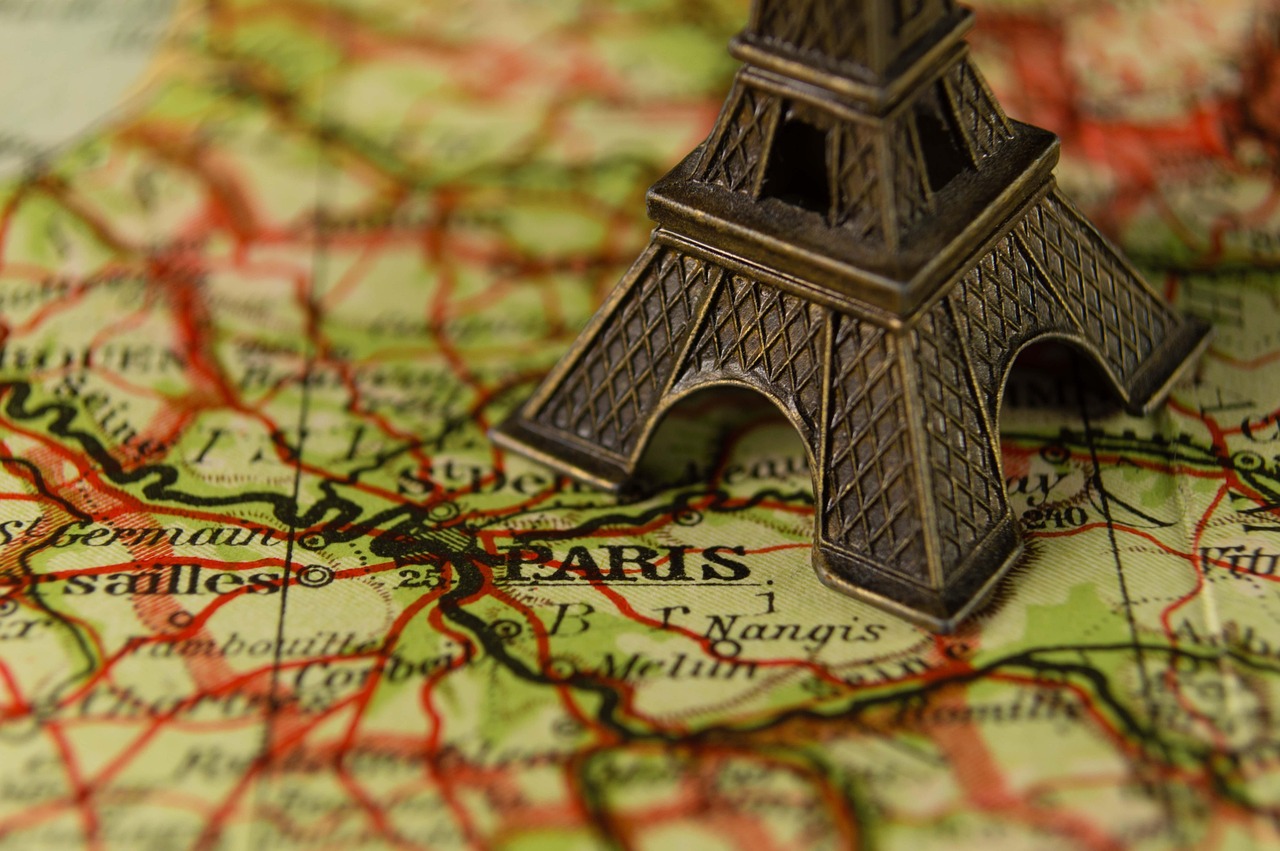
Tourism operators must now adapt to unpredictable operational windows during peak travel seasons. For example, the Eiffel Tower shortened its daily schedule to protect staff working in exposed metal structures. Other historical sites quickly followed suit to prevent heat-related medical emergencies among visitors. Consequently, travel agencies are revising their itineraries to prioritize indoor, air-conditioned activities. This shift challenges traditional summer holiday planning across Western Europe. Furthermore, outdoor waiting lines have become major liability zones for tour companies.
Why is the European extreme heat response shifting toward early closures?
Historically, European cities relied on passive cooling methods to manage summer temperatures. However, rising global baselines make these traditional strategies increasingly ineffective. According to the World Meteorological Organization, extreme heat events are growing in frequency. Therefore, proactive shutdowns have become the primary tool for disaster prevention. These early closures prevent the local healthcare system from becoming overwhelmed. Indeed, emergency rooms in major metropolitan areas face immense pressure during peak heat events. By limiting outdoor exposure, cities can significantly reduce heat stroke incidents.
How are businesses and travellers responding to the crisis?
Local business owners express deep concern over the immediate financial impact of these closures. Café operators near the Seine reported a sharp decline in afternoon foot traffic. Conversely, indoor museums equipped with modern climate control saw a massive surge in visitor numbers. In recent surveys, a majority of travellers expressed willingness to adjust their vacation timing. Many respondents indicated they would prefer visiting Europe during the shoulder seasons. This shift could help redistribute the tourism load more evenly throughout the year.
What long-term solutions are urban planners proposing?
Urban planners emphasize that older European architecture is not designed for sustained high temperatures. Many historic structures lack retrofitted cooling systems due to strict preservation laws. Thus, temporary closures remain the most viable short-term solution for heritage site managers. To combat this challenge, cities are exploring innovative architectural retrofits. For instance, reflective cool roofs can reduce indoor temperatures by several degrees. Additionally, planting vertical gardens on historic facades helps absorb solar radiation. These nature-based solutions also improve local air quality during stagnant weather conditions. However, implementing these changes requires substantial financial investment and regulatory approval. Preservationists must balance structural integrity with modern climate survival needs.
How should travellers prepare for future summer disruptions?
Prospective tourists must prioritize flexibility when booking their summer itineraries. Securing travel insurance that specifically covers extreme weather delays is highly recommended. Furthermore, scheduling outdoor excursions during the early morning hours can mitigate risks. Staying hydrated and monitoring local meteorological alerts remains vital for personal safety. By adjusting expectations, visitors can still enjoy historic destinations safely and comfortably.
What are the broader implications for the European travel sector?
These recurring weather disruptions will likely force a permanent redesign of the European holiday calendar. Many travellers may choose to visit cooler northern destinations instead of traditional Mediterranean hotspots. Additionally, travel insurance providers are adjusting their policies to cover climate-related cancellations. Governments are also facing pressure to update labour laws for outdoor workers. New regulations may soon mandate paid breaks when temperatures exceed safety thresholds. Such policy shifts will inevitably influence operational costs for the construction and hospitality sectors. For municipalities, investing in green infrastructure has become an urgent public health priority. Cities must expand urban canopy cover and create more accessible public cooling stations. Ultimately, adaptation will dictate the economic survival of historic tourism sectors.


