
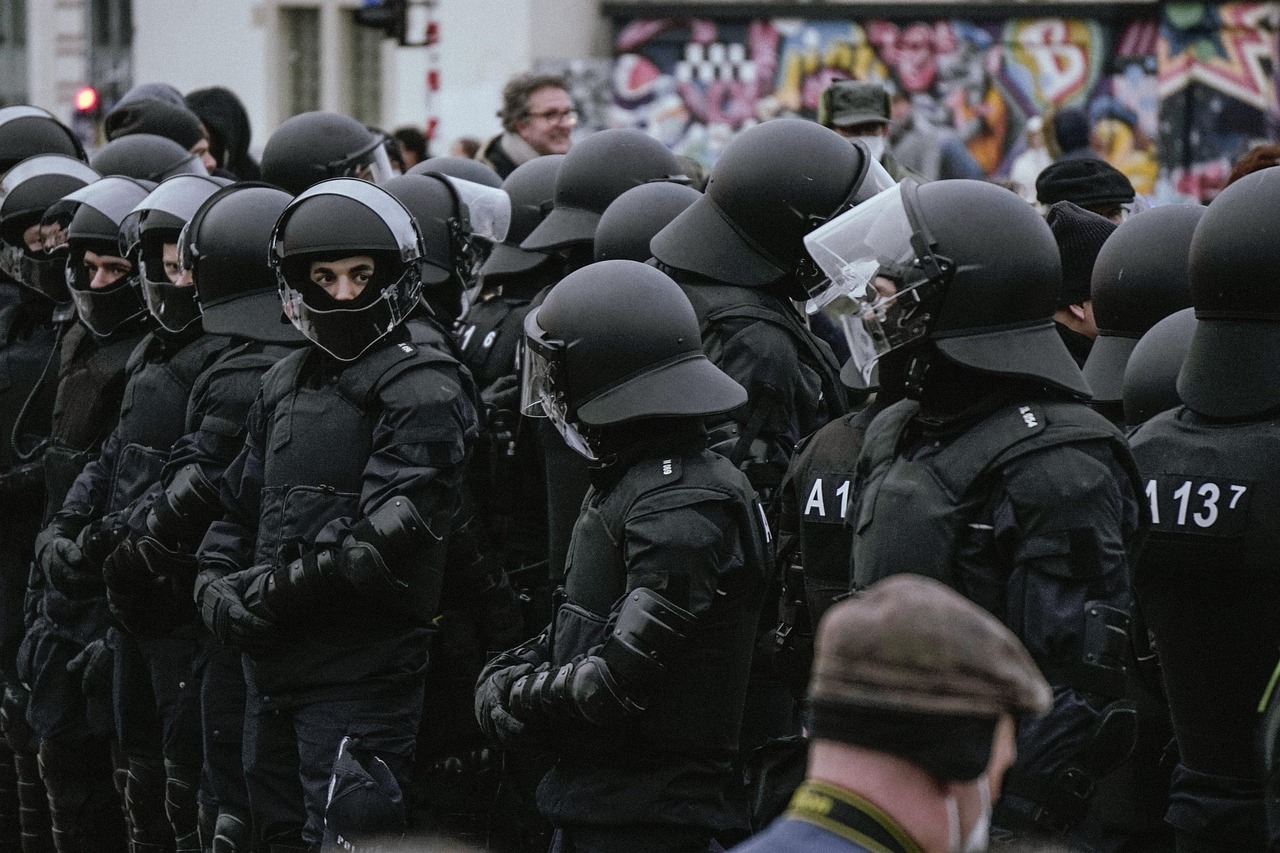
Russian police recently arrested a prominent anti-war Kremlin critic who previously challenged President Vladimir Putin.
The politician planned to contest upcoming legislative elections before authorities intervened.
They detained the candidate under the controversial “foreign agent” designation.
This arrest underscores the ongoing dismantling of the Russian political opposition.
You will learn about the legal tools used to silence dissent and the broader global implications.
- An outspoken anti-war Kremlin critic was arrested by Russian police ahead of upcoming legislative elections.
- Authorities applied the restrictive “foreign agent” law to disqualify the opposition candidate from running.
- International observers warn that these actions completely eliminate democratic competition in the country.
Understanding the Legal Barriers for Russian Dissidents
The Kremlin has systematically expanded its “foreign agent” legislation over several years.
Originally, the law targeted non-governmental organizations receiving international funding.
However, recent amendments allow authorities to label any individual or critic as an agent.
This designation effectively bars citizens from participating in public life or running for office.
The targeted politician previously attempted to run for the presidency, advocating for peace.
Consequently, this background made them a primary target for state security services.
These measures ensure that only state-approved candidates appear on ballots.
By removing competitive candidates, the administration controls the political narrative.
This strategy minimizes the risk of unexpected electoral upsets.
How Did the Arrest Unfold in Moscow?
Police officers detained the politician during a public meeting with local supporters.
Witnesses reported a heavy security presence during the sudden operation.
Law enforcement officials cited violations of the restrictive foreign agent registry laws.
Supporters view the timing of the arrest as highly calculated.
The detention occurred just weeks before the official registration deadline for candidates.
This timing prevents the opposition campaign from mounting a legal appeal.
Legal experts suggest the charges carry severe prison sentences.
The state increasingly uses criminal charges to sideline influential public figures.
As a result, political campaigns are cut short before they even begin.
How Does the “Foreign Agent” Designation Silence Candidates?
The Russian government utilizes specific legal frameworks to neutralize political threats.
Once labelled a foreign agent, an individual faces severe financial and administrative restrictions.
They must tag all public communications with lengthy, defamatory warning labels.
Furthermore, they face constant audits and potential criminal prosecution for minor compliance errors.
This system makes political campaigning virtually impossible.
Reports from the Human Rights Watch portal on Russia show these laws isolate dissidents from the public.
As a result, independent voices are systematically erased from the media and ballot boxes.
The administrative burden alone drains the resources of any political campaign.
Ultimately, the law functions as a tool for political exclusion.
What Do Political Analysts Say About the Crackdown?
Experts believe the Kremlin seeks to prevent any anti-war platform from gaining traction.
Public discontent over economic and social issues remains a concern for leadership.
Therefore, suppressing visible opposition figures is a priority for state security.
Analysts note that the definition of political activity has become extremely broad.
Even mild criticism of public policy can trigger severe state retaliation.
This environment of fear discourages new leaders from emerging.
The suppression of dissent has reached unprecedented levels.
Traditional avenues for legal protest have been completely dismantled.
Consequently, political activism has shifted entirely underground or abroad.
The Impact on Local Russian Communities
Local supporters feel the loss of representation deeply.
Many volunteers risk their own safety to support independent candidates.
This arrest leaves these communities without a unified voice.
State media often portrays these activists as traitors to the nation.
This propaganda isolates supporters from their neighbours and colleagues.
Despite the danger, some citizens continue to offer quiet resistance.
They share banned information through encrypted digital networks.
However, state surveillance technologies make these efforts increasingly risky.
The cost of dissent continues to rise for ordinary citizens.
The Global Backlash Against Electoral Manipulation
International human rights organizations have strongly condemned this latest arrest.
Diplomats argue that the upcoming elections lack any democratic legitimacy.
Many foreign governments view these arrests as a direct violation of fundamental political rights.
However, external pressure has done little to alter Moscow’s domestic policies.
Instead, the state continues to tighten its grip on internal communication.
Independent journalists face similar threats, forcing many into exile.
The remaining opposition operates under constant threat of immediate detention.
International bodies continue to document these abuses for future accountability.
Yet, immediate relief for detained activists remains unlikely.
This latest arrest signals a complete transition toward an absolute closed political system.
With the opposition sidelined, the ruling party faces no genuine challenges in the upcoming elections.
For citizens, the avenues for peaceful political expression have entirely vanished.
The international community must now decide how to engage with a government that openly rejects democratic norms.
As tension rises, the resilience of domestic activists remains the last barrier to total political conformity.
The ongoing struggle highlights the steep cost of defending democratic values in Russia today.


