
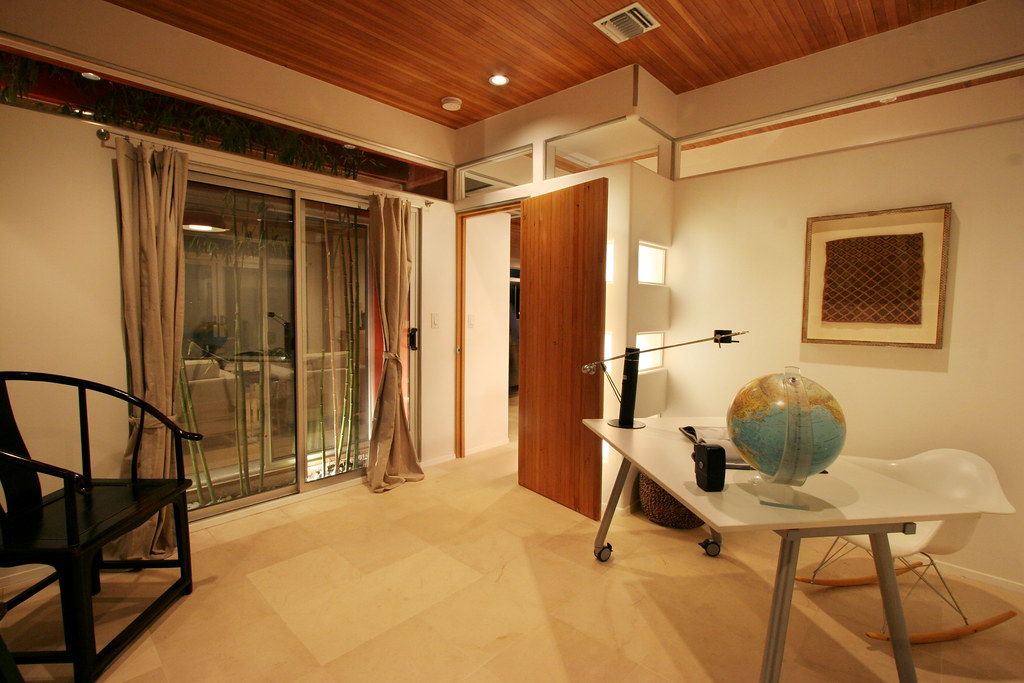
Canadian homeowners are embracing a major space-saving trend as the pocket door revival takes centre stage in modern residential architecture. This year, builders and interior designers across Canada report a massive surge in requests for these sliding doors. They are increasingly requested in both new builds and major renovations. Readers will discover why these functional fixtures are returning to favour, how they optimize tight layouts, and how to integrate them.
- Pocket doors are surging in popularity across Canadian home renovations to maximize usable floor space.
- Modern hardware improvements have resolved historical issues like sticking tracks and noisy operation.
- Integrating these sliding systems can reclaim up to ten square feet of space per room.
How did the pocket door return to modern favour?
Historically, pocket doors were a staple of Victorian-era homes. However, builder preferences shifted toward cheaper hinged doors during the suburban housing boom of the late twentieth century.
Recently, the pressure of rising urban real estate prices has forced a redesign of interior spaces. Homeowners now demand smarter, more efficient layouts. Consequently, this architectural relic has found new life in contemporary blueprints. This shift is particularly evident in high-density urban centres where every square foot carries a premium.
Why are Canadian homeowners choosing pocket doors?
Modern floor plans require maximum flexibility. Traditional swinging doors require a significant amount of clearance to open fully. In contrast, pocket doors slide seamlessly into a wall cavity.
This design completely eliminates the dead space behind standard doors. Consequently, homeowners can place furniture closer to entryways. This layout flexibility is especially valuable in tight urban condominiums and townhouses.
By reclaiming this lost floor area, residents can effectively increase the usable footprint of their homes. This simple change allows for better traffic flow and cleaner design lines throughout the property.
How does modern hardware improve the user experience?
In the past, these sliding doors had a reputation for derailment and noisy operation. Fortunately, engineering advancements have completely transformed the product category.
Today, heavy-duty aluminum tracks and ball-bearing rollers ensure whisper-quiet movement. Many manufacturers now offer soft-close mechanisms similar to high-end kitchen cabinetry. These upgrades prevent slamming and reduce wear on the wall structure.
What are the best applications for pocket doors?
These fixtures excel in transitional spaces where privacy is occasionally required. For example, they work beautifully between primary bedrooms and ensuites. They are also ideal for walk-in closets, home offices, and laundry rooms.
Additionally, they can temporarily zone off open-concept living areas. This allows families to manage noise levels without permanently blocking sightlines. When opened, the doors disappear completely, maintaining an airy, spacious feel.
What are the structural requirements for installation?
Installing these systems is easiest during the initial framing stage of a build. However, retrofitting existing walls is entirely possible with proper planning.
Homeowners must verify that the target wall is not load-bearing. Furthermore, the wall cavity must be completely free of electrical wiring and plumbing. If utilities are present, they must be rerouted, which increases project costs.
Consulting a licensed contractor is highly recommended before starting demolition. They can assess the wall structure and ensure a seamless, long-lasting installation.
What do the industry experts say?
Architects point to the growing necessity of accessible home design. According to guidelines from the Canada Mortgage and Housing Corporation, wider doorways and sliding mechanisms significantly improve residential accessibility.
Pocket doors eliminate the physical barrier of a swinging door. This change makes rooms far easier to navigate for individuals using mobility aids. Furthermore, real estate experts note that space-optimizing features directly boost property resale values.
Buyers actively seek out homes that demonstrate thoughtful, efficient design choices. Investing in premium hardware now pays dividends when it comes time to sell.
How will this trend shape future home design?
The pocket door revival reflects a broader cultural shift toward minimalism and efficiency. As building costs continue to rise, maximizing every square centimetre of a home is essential.
Designers predict that these sliding systems will soon become standard features in urban developments. Ultimately, this trend proves that classic design solutions can adapt to meet modern living challenges.
Investing in these sleek, functional doors offers a practical way to elevate both home utility and aesthetic appeal.


