
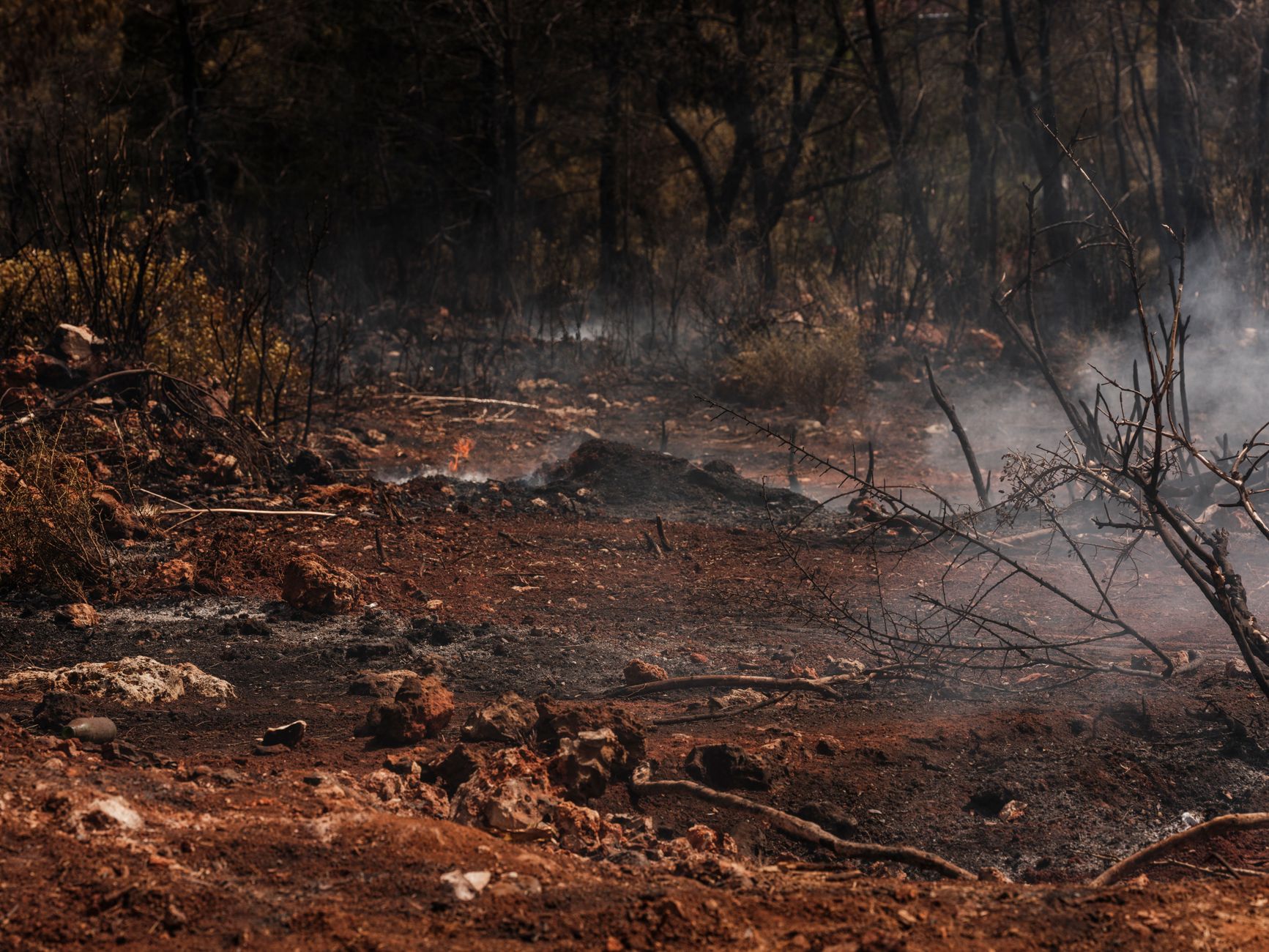
An aggressive wildfire north of Madrid has forced the evacuation of hundreds of residents and scorched vast areas of land. Emergency crews are currently battling the blaze, which has already consumed approximately 13,000 hectares. This sudden Spanish wildfire response highlights the growing vulnerability of European forests to extreme climate events. In this report, you will learn about the immediate containment efforts, the regional impact, and the broader environmental implications.
- Emergency services have evacuated approximately 700 residents from communities north of Madrid.
- The wildfire has already consumed more than 13,000 hectares of forest and shrubland.
- Adverse weather conditions are complicating containment efforts for hundreds of active firefighters.
How Did the Madrid Wildfire Escalate So Rapidly?
The fire erupted in a densely forested region situated just north of the Spanish capital. Dry conditions and strong winds quickly fueled the flames across parched terrain. Consequently, the blaze expanded rapidly, threatening several neighbouring municipalities.
Historically, central Spain experiences intense summer heat. However, recent seasonal shifts have extended the traditional wildfire window. This extension leaves regional ecosystems highly vulnerable to early-season ignitions.
Local authorities quickly declared a high-level emergency. They deployed specialized military emergency units to assist local fire brigades. Despite these rapid deployments, the sheer speed of the fire front presented immediate challenges. Strong winds changed direction frequently, which trapped crews and forced tactical retreats.
What Measures Are Authorities Taking to Contain the Blaze?
Firefighters are focusing their efforts on creating defensive perimeters around vulnerable villages. Air tankers and helicopters are dropping water to cool active hotspots. Meanwhile, ground crews are cutting firebreaks through dense vegetation to halt the advance.
First responders prioritized saving human lives during the initial outbreak. Accordingly, police coordinated the orderly evacuation of about 700 citizens. Evacuees found temporary shelter in nearby municipal sports complexes and community centres.
The regional government has urged residents in neighbouring zones to remain vigilant. High winds can carry embers over long distances. As a result, new spot fires can ignite without warning behind established containment lines. Emergency services have established a unified command post to coordinate the complex multi-agency response.
Why Are European Wildfires Becoming More Severe?
Environmental scientists point to a long-term drying trend across the Iberian Peninsula. Rising global temperatures have significantly depleted soil moisture levels. Consequently, vegetation ignites much more easily and burns with greater intensity.
Data from the Copernicus Atmosphere Monitoring Service confirms that extreme fire danger indices are rising across Southern Europe. These elevated risks are no longer confined to the peak summer months. Instead, dangerous conditions now emerge much earlier in the calendar year.
Forestry experts emphasize the need for proactive landscape management. Overgrown underbrush acts as a potent fuel source during dry spells. Therefore, controlled burns and strategic thinning are essential to mitigate future catastrophic events. Without these preventative measures, suppression efforts become increasingly dangerous and less effective.
What Are the Long-Term Implications for Regional Communities?
The destruction of 13,000 hectares will have lasting ecological consequences. Local wildlife habitats have suffered severe degradation. Furthermore, the loss of vegetation increases the risk of soil erosion and future flooding during heavy rains.
On an economic level, the cost of suppression and recovery will strain regional budgets. Tourism and agriculture, which support many rural communities, face immediate disruptions. Rebuilding infrastructure and restoring damaged ecosystems will require substantial long-term investment.
This crisis underscores the urgent need for enhanced climate adaptation strategies. Municipalities must invest in more robust early-warning systems and community education. Ultimately, communities must adapt to a landscape where wildfire threats are an ongoing reality. Improved zoning laws and fire-resistant building materials will likely become mandatory in high-risk zones.
As emergency crews continue to battle the flames north of Madrid, the immediate focus remains on securing the perimeter. The resilience of local communities is being tested by this environmental emergency. Moving forward, the lessons learned from this disaster must inform future forestry policies and disaster preparedness plans across Spain.


