
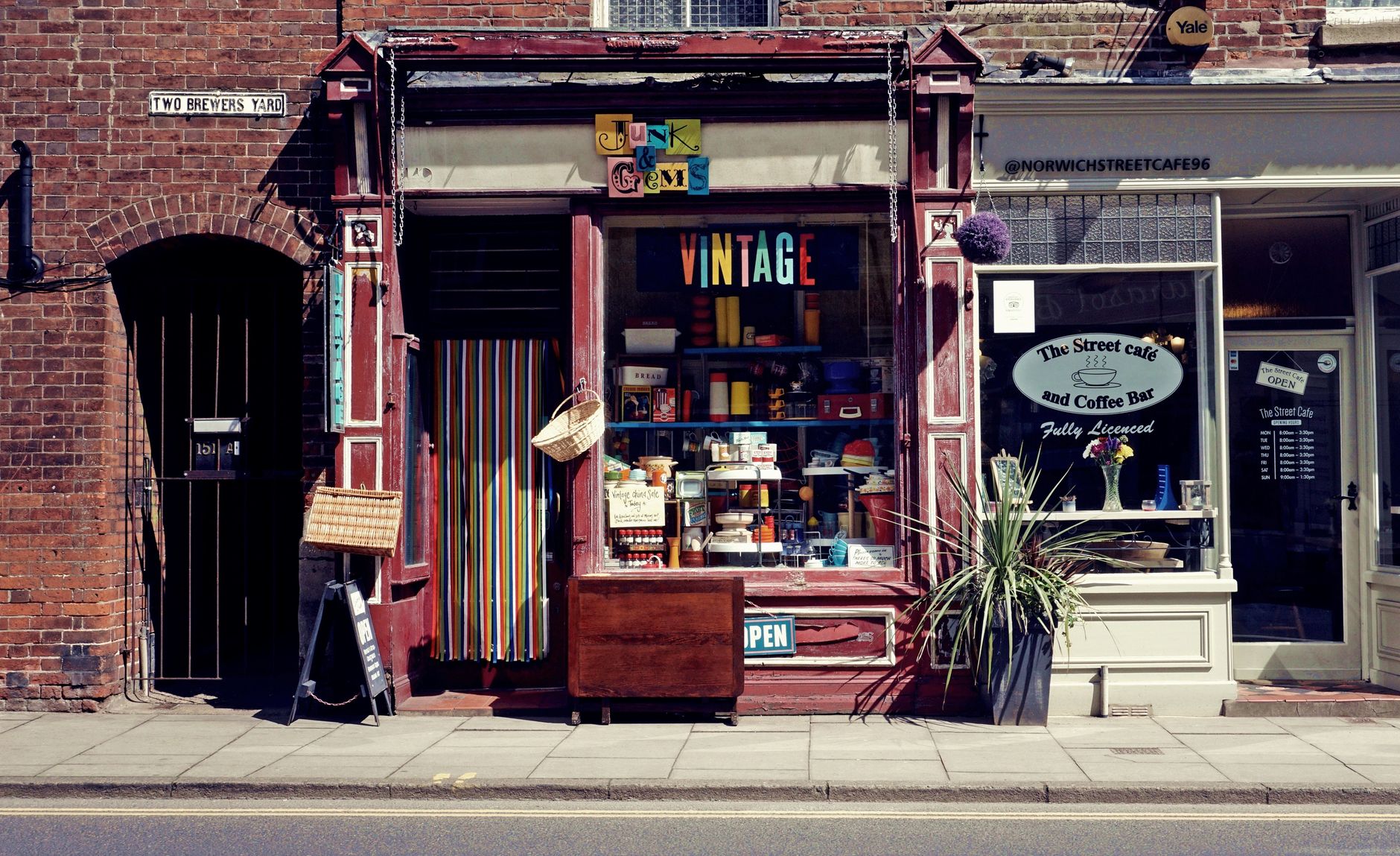
Local business owners are doubling down on physical storefronts in Edmonton’s core despite a wave of restaurant closures. While safety concerns and accessibility issues persist, independent merchants refuse to abandon the city centre. Learn how downtown Edmonton retail resilience is shaping the local economy and what this means for urban revitalization.
- Multiple prominent restaurant closures have sparked concerns about the economic health of Edmonton’s downtown core.
- Local retail boutique owners are choosing to remain, citing deep community ties and long-term faith in urban recovery.
- Business operators are actively calling for improved safety measures and better parking accessibility from municipal leaders.
Recently, several high-profile eateries in Edmonton’s downtown core shut their doors permanently. These closures fueled public anxiety regarding the viability of the central business district.
Historically, the area relied heavily on office workers to sustain foot traffic. However, hybrid work models have permanently altered these commuter patterns in recent years.
Consequently, remaining businesses must adapt to a shifting customer base that relies more heavily on local residents.
Why Are Edmonton Retailers Choosing to Stay Downtown?
Many boutique owners view the current economic turbulence as a temporary hurdle. They argue that a vibrant downtown is essential for the identity of the entire city.
Furthermore, moving an established retail shop is incredibly costly. Merchants prefer to invest their capital into security upgrades and local marketing campaigns instead.
Many retailers have spent years building loyal customer bases. These relationships cannot easily be replicated in suburban strip malls.
Additionally, the unique architectural spaces of the downtown core offer character. This aesthetic appeal is crucial for boutique branding.
Rather than fleeing, merchants are collaborating on joint marketing initiatives. They hope to draw shoppers back with exclusive in-store events.
How Are Safety and Accessibility Impacting Foot Traffic?
Safety remains a primary concern for both business owners and potential shoppers in the core. Street-level issues have occasionally deterred patrons from visiting physical stores.
Additionally, parking costs and complex transit routes limit accessibility. Business owners frequently urge municipal leaders to address these systemic challenges.
According to the City of Edmonton municipal government website, revitalizing the core requires a balanced safety approach. Improved lighting and increased foot patrols are among the top priorities for local merchants.
Some business owners have invested in private security measures. Others have adjusted their operating hours to match peak daylight traffic.
These adjustments represent significant financial investments for small enterprises. Yet, owners view them as necessary costs to protect staff and patrons.
Advocates argue that a clean, welcoming environment is the best marketing tool. They continue to lobby for immediate municipal intervention to clean up public spaces.
What Does This Mean for the Future of the Core?
The persistence of these retailers suggests that the downtown core is transitioning rather than dying. While the food and beverage sector faces immediate pressure, specialty retail is carving out a niche.
This shift could encourage more diverse developments in the future. For instance, residential growth may eventually offset the loss of daily office commuters.
Urban planners suggest that mixed-use developments will dominate the next era of downtown growth. Relying solely on retail or dining is no longer a viable strategy.
Instead, a blend of cultural spaces, residential units, and experiential retail will drive foot traffic. The current struggle of the restaurant sector may pave the way for these innovative concepts.
In the meantime, the steadfastness of current retailers acts as a vital bridge. They preserve the street-level vibrancy that makes future development attractive to investors.
As Edmonton navigates this economic transition, the actions of independent retailers will dictate the pace of recovery. Supporting these local businesses is vital for maintaining a diverse urban ecosystem.
Shoppers who value unique local brands must consciously choose to visit the city centre. By prioritising these brick-and-mortar shops, residents can directly contribute to a safer, more vibrant downtown.
The coming months will test the resolve of these merchants. However, their current stance proves that Edmonton’s entrepreneurial spirit remains deeply rooted in the heart of the city.


