
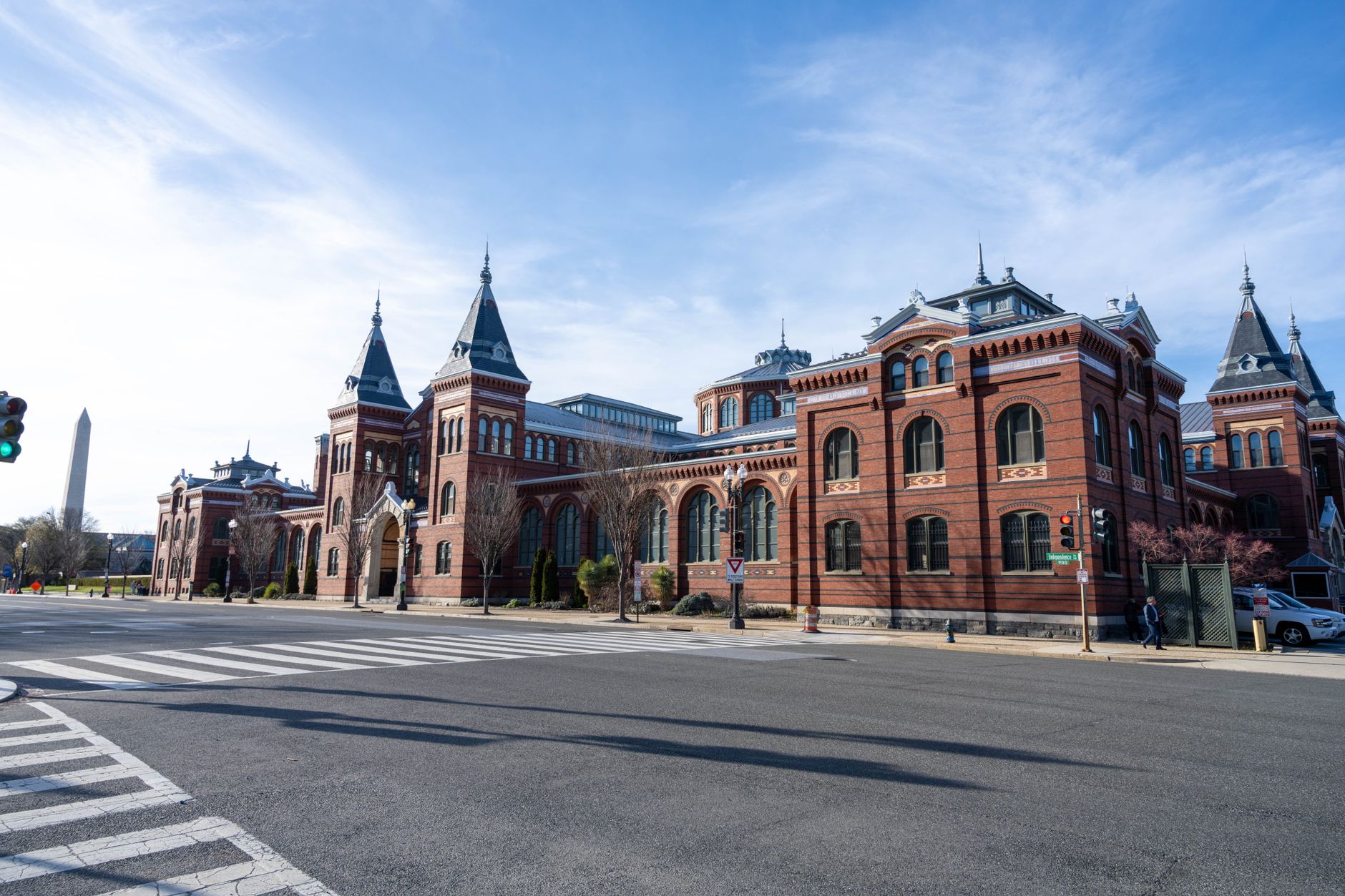
U.S. President Donald Trump has issued a controversial executive order targeting Washington museums. The directive mandates Smithsonian museum disclaimer signs outside the National Museum of American History. These signs will warn visitors of allegedly inaccurate historical information inside the facility. This article explores the details of this executive order and its impact on public institutions. Readers will learn about the political motivations and the reactions from top historians.
- U.S. President Donald Trump issued an executive order requiring warning signs at the Smithsonian.
- The signs must advise visitors about potentially inaccurate historical information in the exhibits.
- Historians and museum administrators have raised immediate concerns over political interference.
- The mandate highlights an escalating battle over the curation of American historical narratives.
The Smithsonian Institution operates as a unique trust instrumentality of the United States. It receives significant federal funding each year to maintain its vast historical collections. Recently, tensions have escalated between federal officials and cultural institutions over historical interpretation.
Critics argue that some museum exhibits present a biased view of national history. In response, the administration decided to take direct action regarding public signage. This executive order represents a major shift in how the government interacts with national museums.
Historically, these institutions have maintained a high degree of curatorial independence. Federal leaders rarely intervened in the specific presentation of historical facts. This new directive marks a departure from that long-standing tradition of academic autonomy.
Why is the administration demanding Smithsonian museum disclaimer signs?
The administration claims that certain exhibits fail to present an objective view of national history. Officials argue that visitors deserve a warning before viewing revisionist narratives. According to the executive order, the signs must be highly visible to all incoming guests.
The mandated text must clearly state that some contents may lack historical accuracy. Supporters of the move believe it promotes intellectual balance in public spaces. They argue that taxpayers deserve transparency regarding the content they fund.
However, opponents view the mandate as an attempt to censor complex historical truths. They believe the signs will unnecessarily discredit verified historical research. This disagreement has sparked a fierce debate over the role of government in education.
How are historians and cultural institutions reacting to the mandate?
The academic community has reacted with widespread concern to the new directive. Many professional historians argue that the order undermines the independence of museum curators. They fear it will compromise the integrity of educational displays.
The official administration of the Smithsonian Institution website has acknowledged the receipt of the executive order. They are currently reviewing the legal implications of the presidential mandate. Spokespersons stated they remain committed to presenting accurate history.
Legal experts suggest the order could face immediate challenges in federal court. They point out potential violations of the First Amendment regarding compelled speech. Courts will need to determine if the president has authority over museum signage.
Meanwhile, museum visitors have expressed mixed reactions to the proposed signage outside the building. Some tourists welcome the warnings as a call for critical thinking. Others worry that political agendas are interfering with educational spaces.
What specific exhibits are causing the current controversy?
Several recent exhibitions have drawn intense scrutiny from conservative policymakers in Washington. Displays covering early colonial history and civil rights have faced the most criticism. Detractors claim these exhibits focus too heavily on national flaws.
Conversely, defenders argue these displays offer a complete and honest view of the past. They believe that ignoring difficult truths does a disservice to the public. The conflict highlights different philosophies on how to teach history.
Curators spend years researching and assembling these detailed historical collections. They rely on peer-reviewed sources and physical artifacts to tell stories. Many feel the executive order dismisses this rigorous scientific process.
What does this order mean for the future of public museums?
This directive could establish a significant precedent for other federally funded institutions. Similar signage mandates might soon target art galleries and national parks. Curators may face increased pressure to alter exhibits to avoid political controversy.
Consequently, this pressure could lead to self-censorship within the cultural sector. Curators might avoid controversial topics altogether to protect their funding. This trend could ultimately limit the depth of public education.
Funding for these institutions could also become tied to compliance with such orders. Congress may face pressure to adjust budgets based on museum cooperation. The debate highlights the ongoing struggle over who controls the national narrative.
How will this affect international tourism and education?
The Smithsonian museums attract millions of international visitors to Washington every year. These tourists seek to understand the complex history of the United States. Introducing warning signs could alter how international guests perceive American institutions.
Some experts warn it could damage the global reputation of American scholarship. Foreign academic institutions might view the signs as evidence of state-sponsored revisionism. This could impact collaborative research projects and international loans of artifacts.
Educators who bring school groups to the museum must also adapt. Teachers will need to address the signs before students enter the exhibits. This adds a new layer of complexity to history curricula.
As the situation develops, the balance between political oversight and academic freedom remains highly fragile. The placement of these warning signs will undoubtedly shape public perception of American history. Ultimately, visitors must decide how they navigate the complex stories presented within these national walls.


