
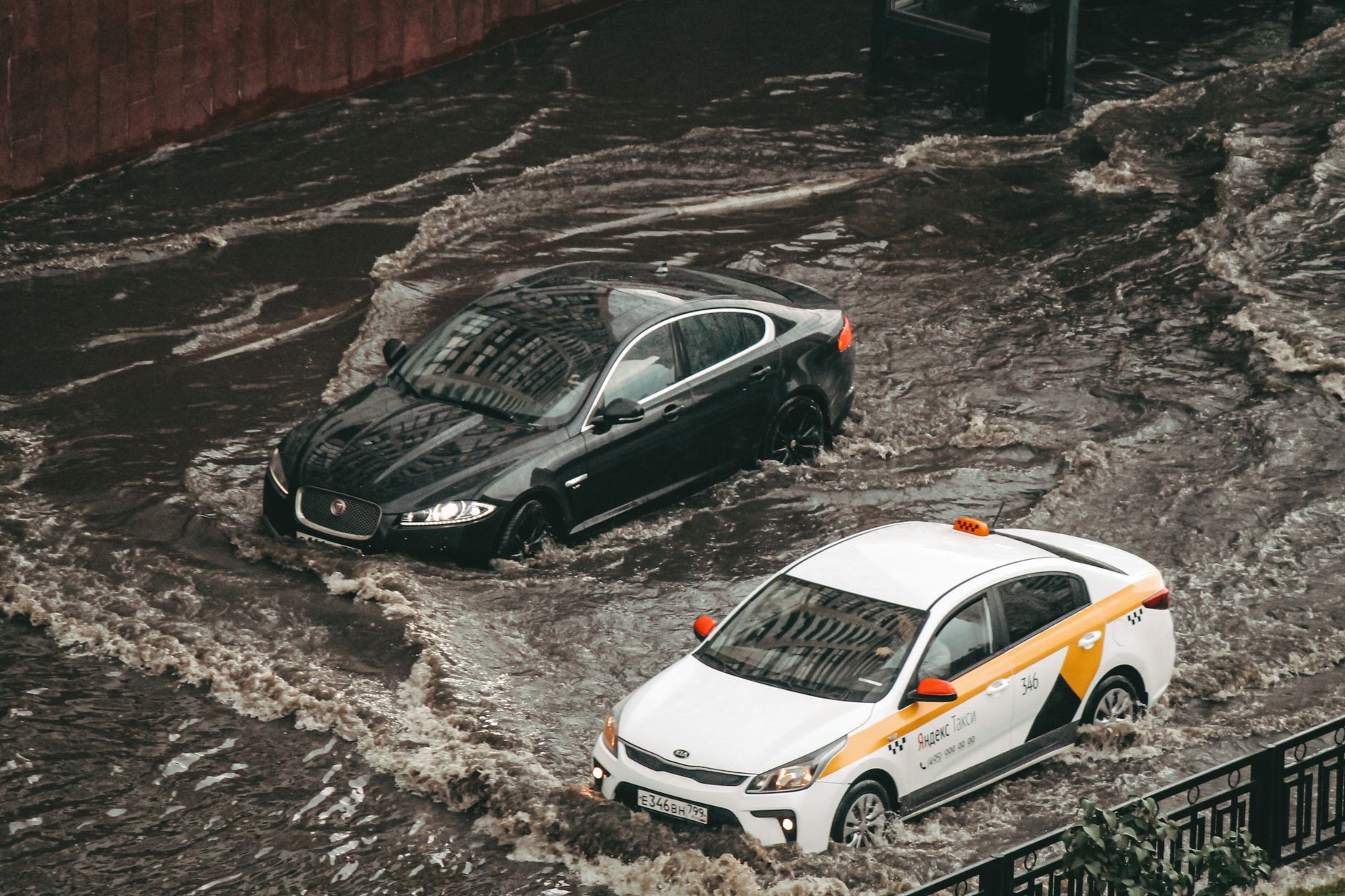
A severe thunderstorm recently inundated Edmonton, Alberta, forcing the closure of major arterial routes like Whitemud Drive and Yellowhead Trail. This sudden deluge overwhelmed municipal drainage systems, triggering a massive surge in emergency 911 calls. Readers will learn how this extreme weather event exposes critical vulnerabilities in Edmonton flash flooding infrastructure. Furthermore, we examine the municipal strategies required to mitigate future urban transportation disruptions.
- Torrential rainfall rapidly submerged major Edmonton freeways, halting traffic on Whitemud Drive.
- Emergency services faced an unprecedented volume of distress calls during the peak of the storm.
- The incident highlights the urgent need for resilient municipal stormwater infrastructure.
- Urban planners are prioritising dry pond construction to manage future severe weather events.
Why Are Edmonton Freeways Vulnerable to Sudden Storms?
Edmonton has experienced increasingly volatile summer weather in recent years. Historically, the city relies on a vast network of drainage basins. However, rapid urban expansion has altered local topography.
Consequently, concrete surfaces prevent natural water absorption. This shift amplifies the risk of flash flooding during intense cloudbursts. During this specific event, the storm dropped significant precipitation within a very short timeframe.
As a result, low-lying underpasses quickly became impassable traps for motorists. Water pooled rapidly on Whitemud Drive, leaving several vehicles submerged to their bumper lines. Local authorities quickly mobilized to close the most affected sections.
Meanwhile, stranded drivers had to wait for emergency crews to clear the roadways. This event underscores the growing challenges of managing stormwater in mature urban environments.
How Does Urban Flooding Impact Public Safety and Emergency Services?
The sudden influx of water created immediate hazards for Edmonton commuters. As roadways transformed into rivers, emergency dispatchers received hundreds of urgent assistance requests. Consequently, response times for non-emergency incidents temporarily increased.
First responders had to prioritise life-safety rescues in deep-water zones. For instance, crews deployed specialized watercraft to reach stranded motorists on Whitemud Drive. Fortunately, no serious injuries were reported during the peak of the storm.
However, the incident placed a severe strain on municipal emergency resources. Officials noted that simultaneous road closures hindered the movement of emergency vehicles across the city. This gridlock demonstrated how localized weather events can disrupt broader city operations.
What Solutions Are Engineers Implementing to Prevent Future Disasters?
City engineers are actively assessing the performance of existing drainage assets. Currently, Edmonton is investing in significant stormwater management upgrades to mitigate future risks.
According to guidelines on the City of Edmonton municipal portal, upgrading dry ponds remains a key priority. These specialized green spaces temporarily hold excess rainwater during intense storms. These dry ponds release water slowly into the drainage system.
Consequently, this process prevents the sudden overloading of underground pipes. However, retrofitting older neighbourhoods presents complex engineering challenges. Older drainage systems simply lack the capacity required for modern storm intensities.
Therefore, systemic upgrades require sustained capital investment over several fiscal cycles. Furthermore, engineers are exploring smart monitoring technologies. These sensors provide real-time data on water levels in high-risk underpasses.
How Can Motorists Navigate Severe Summer Storms Safely?
Defensive driving during severe weather is crucial for personal safety. First responders urge motorists to avoid flooded underpasses entirely. Even shallow water can quickly disable a vehicle’s electrical system.
Additionally, moving water exerts tremendous force on passenger cars. Just thirty centimetres of rushing water can sweep a vehicle away. If trapped, occupants must remain calm and dial emergency services immediately.
Safety authorities recommend staying inside the vehicle unless water levels pose an immediate threat. Furthermore, drivers should monitor local weather alerts closely. Modern mobile applications provide real-time updates on active storm cells.
What Are the Long-Term Implications for Edmonton?
This recent storm serves as a stark warning for cold-climate urban centres. As extreme weather patterns intensify, traditional infrastructure models must evolve. Edmonton must accelerate its transition toward climate-resilient design.
Municipal budgets will likely face increased pressure to fund these essential upgrades. Property owners may also see adjustments in utility rates to support infrastructure development. However, the cost of inaction remains far higher than these preventative investments.
Ultimately, protecting public safety requires proactive collaboration between citizens and policymakers. By investing in robust drainage systems today, the city can safeguard its vital transit links for tomorrow.


