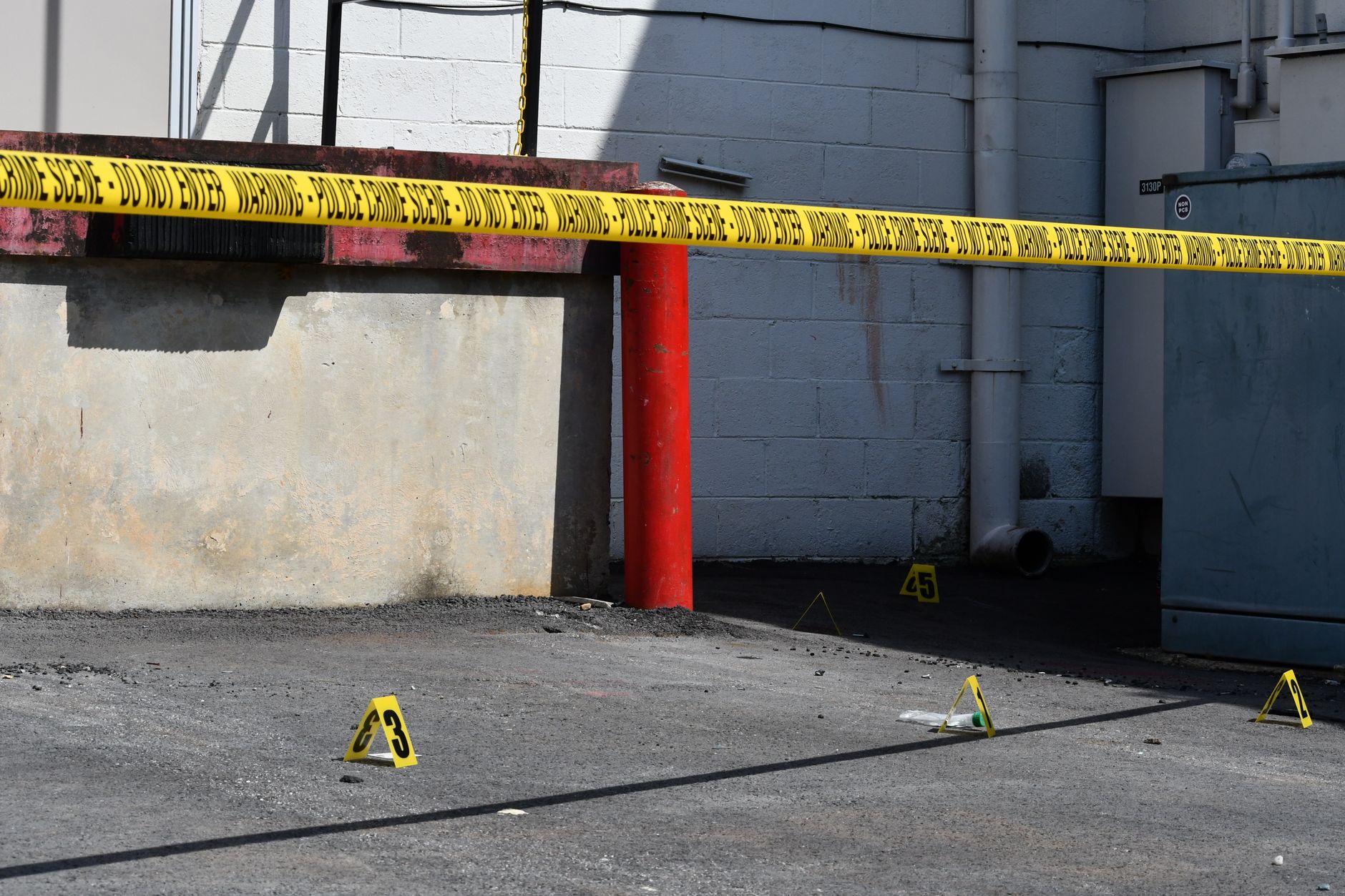
Toronto police are investigating after gunfire and vandalism damaged two locations of a popular Jewish-owned bakery chain in suspected hate-motivated attacks in Toronto. This article examines the rising security concerns, community responses, and systemic efforts to combat targeted violence in Canadian urban centres.
- Two locations of a Jewish-owned bakery chain in Toronto were targeted in separate, early-morning incidents.
- One establishment suffered damage from gunfire, raising urgent safety concerns among local business owners.
- Community advocates warn that unchecked antisemitism is escalating across urban Canadian neighbourhoods.
- Law enforcement officials have launched a specialized investigation into these suspected hate crimes.
What happened during the recent targeted incidents?
The targeted incidents occurred during the early hours of a Sunday morning, shocking residents in the affected neighbourhoods. Police officers responded to reports of vandalism at one location, while a second site suffered visible damage from bullet impacts. Investigators are treating both occurrences as linked and potentially motivated by hate.
This escalation follows a period of heightened tensions and rising reports of bias-related offences across Canada. Community leaders note that local businesses have increasingly become targets for political and religious vandalism. Consequently, the incidents have renewed calls for stronger protective measures for minority-owned enterprises.
In recent years, hate crimes in major Canadian metropolitan areas have shown a persistent upward trend. Toronto, as the country’s most populous city, has experienced a disproportionate share of these incidents. Security analysts point out that commercial spaces are particularly vulnerable due to their public accessibility.
Why are security concerns escalating for Toronto businesses?
The recent violence has deeply shaken the local business community. Owners express growing anxiety over the safety of their staff and patrons during operating hours. Many establishments are now actively upgrading their security infrastructure to deter future acts of violence.
Furthermore, the use of a firearm in one of the incidents marks a dangerous escalation in tactics. Business associations are demanding increased police patrols in culturally diverse commercial districts. They argue that visible law enforcement presence is crucial to restoring public confidence.
Local advocacy groups have continuously documented these trends, warning that online radicalization often translates into physical violence. The recent bakery attacks represent a physical manifestation of these online hostilities. Consequently, community members are demanding immediate, systemic intervention from federal and provincial authorities.
How are authorities responding to hate-motivated incidents?
The Toronto Police Service has deployed specialized hate crime units to lead the ongoing investigation. Officers are currently reviewing security camera footage from surrounding properties to identify potential suspects. They are also appealing to the public for any dashboard camera recordings from the area.
To understand the broader context of these offences, readers can review the official Toronto Police Service hate crime reports, which document statistical trends in regional bias-motivated incidents. These resources highlight a worrying upward trajectory in offences targeting religious minorities.
Additionally, municipal leaders have publicly condemned the acts, promising solidarity with the affected communities. However, advocates argue that political statements must be backed by concrete, actionable security funding.
What evidence points to a rise in targeted offences?
Data collected by independent watchdogs confirms a sharp increase in antisemitic incidents over the past several quarters. These reports indicate that both vandalism and physical harassment have reached unprecedented levels. The targeting of food establishments, which serve as cultural gathering points, is a deliberate attempt to disrupt daily life.
Expert criminologists suggest that public landmarks and businesses are chosen to maximize psychological impact. By striking familiar neighbourhood spots, perpetrators aim to instill widespread fear. This strategy underscores the necessity of robust, community-wide defence mechanisms.
Furthermore, legal experts are advocating for stricter sentencing guidelines for hate-motivated offences. They argue that the justice system must send a clear message that such actions carry severe consequences. Clearer legal precedents could serve as a powerful deterrent against future crimes.
What do these attacks mean for community cohesion?
The impact of these events extends far beyond physical property damage. Local residents express fear that such acts threaten the multicultural fabric of the city. Interfaith groups have quickly mobilized, releasing joint statements to denounce the violence and promote unity.
Nevertheless, the psychological toll on the Jewish community remains significant. Many community members feel increasingly isolated and vulnerable in their own neighbourhoods. Educational institutions and community centres are also reviewing their security protocols in response to the heightened threat level.
In response, grassroots initiatives are emerging to support the targeted bakeries. Patrons are organizing community visits to buy goods and show solidarity. These efforts demonstrate a collective resilience against divisive actions.
Moving forward, the resolution of this investigation will serve as a critical test for local law enforcement. The collective response from both citizens and policymakers will shape the safety landscape of the city. Supporting vulnerable businesses and maintaining vigilant community awareness will remain paramount as Toronto navigates these complex challenges.