
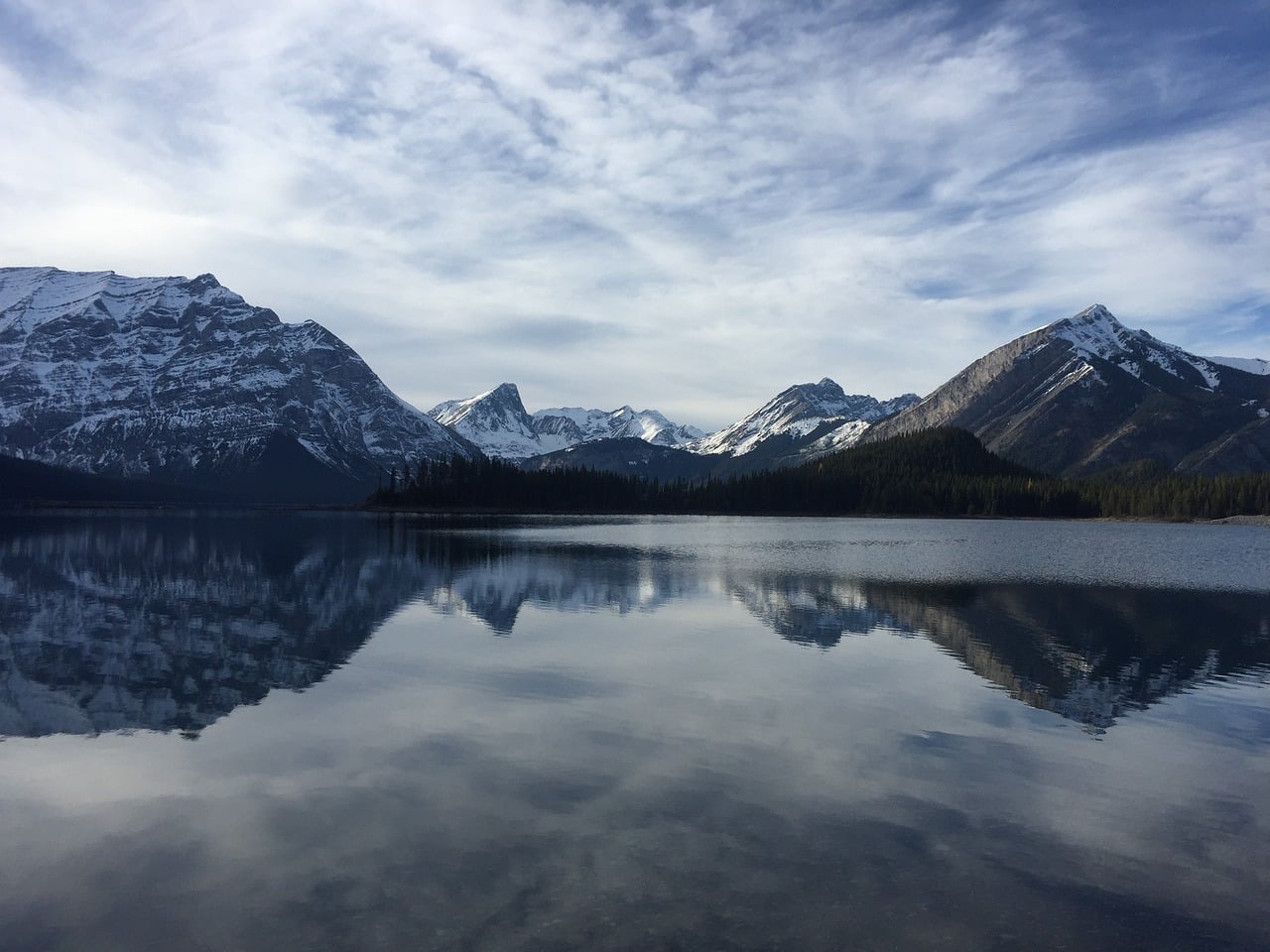
Officials recently halted the Chestermere Lake water flow after an upstream oil spill occurred near Calgary.
This preventive action caused water levels in the popular recreational reservoir to drop temporarily.
However, municipal authorities expect water levels to normalise quickly as containment efforts conclude.
In this report, you will learn about the rapid environmental response. We also cover the reservoir’s safety status and long-term protective measures.
- The Chestermere Lake water flow was temporarily suspended to prevent upstream oil contamination from entering the reservoir.
- Local water levels are recovering rapidly following the successful containment of the upstream spill.
- Environmental protection teams continue to monitor water quality to ensure safety for residents and wildlife.
Understanding the Chestermere Water System
Chestermere Lake is a vital semi-natural reservoir located just east of Calgary, Alberta.
It serves as a crucial hub for local recreation, agricultural irrigation, and municipal stormwater management.
The Western Irrigation District manages the canal system that supplies water to the lake from the Bow River.
This interconnected network supports thousands of hectares of farmland across the region.
Recently, an oil spill occurred upstream in the supply network.
To protect the lake’s delicate ecosystem, operators immediately closed the canal intake gates.
This rapid response successfully blocked the contaminated water from entering the municipal basin.
However, it also temporarily halted the inflow necessary to maintain standard lake levels.
How Did the Upstream Spill Affect Chestermere Lake Water Flow?
The temporary closure of the intake gates caused a noticeable decline in the reservoir’s water levels.
Because Chestermere Lake relies on continuous supply from the Bow River canal system, any interruption quickly impacts the shoreline.
Officials prioritised environmental safety over maintaining immediate water volumes.
They kept the gates closed until water quality tests confirmed the complete absence of hydrocarbons.
Fortunately, the containment process moved swiftly.
Crews worked diligently upstream to secure the source of the spill and clean the affected channels.
The decision to halt the flow prevented a minor industrial accident from becoming a major ecological disaster.
Water managers monitored the situation hourly to coordinate the eventual reopening of the gates.
As cleanup efforts concluded, technicians prepared to slowly restore the inflow.
This gradual process prevents sudden pressure changes in the canal banks.
What Environmental Safeguards Are Protecting Local Waterways?
Southern Alberta employs strict regulatory frameworks to manage sudden environmental emergencies.
When a spill occurs, provincial agencies coordinate with local water districts to isolate the threat immediately.
These containment protocols rely on physical booms, skimming equipment, and real-time water sampling.
According to Alberta environmental protection guidelines, rapid isolation prevents widespread ecological damage.
In this instance, the early warning system allowed operators to shut the gates before any oil reached the lake.
This proactive strategy preserved the local aquatic habitat and protected municipal water intakes.
Environmental scientists have deployed automated sensors along the canal to detect chemical changes.
These advanced tools provide early alerts to prevent future contamination events.
Collaboration between municipal staff and provincial inspectors ensured a unified response.
This teamwork limited the impact on both wildlife and residential areas.
How Will This Incident Impact Residents and Recreation?
Residents of the lakeside city of Chestermere should expect water levels to return to normal operating limits shortly.
Boating and other recreational activities may experience brief restrictions while final safety checks are completed.
Local officials advise the public to avoid the immediate canal entry points until all monitoring is finalised.
However, the main body of the lake remains safe and unpolluted.
Property owners along the shoreline are encouraged to inspect their docks as water levels stabilise.
The municipal government continues to provide regular updates to reassure the community.
Water quality testing will continue for several days to ensure absolute safety.
Analysts are looking for any trace elements that might have bypassed initial containment.
Public health officers have confirmed that the local drinking water supply remains completely unaffected by the incident.
What Are the Long-Term Implications for Regional Water Security?
This incident highlights the vulnerability of shared water systems in rapidly growing regions.
As industrial and residential areas expand near vital waterways, robust monitoring systems become increasingly essential.
The successful containment of this spill demonstrates the value of rapid-response protocols.
Moving forward, regional water managers will likely review this event to refine their emergency procedures.
Investing in automated detection technology could further reduce response times during future incidents.
Such upgrades would safeguard both agricultural interests and urban communities.
By maintaining strict oversight, Alberta can protect its vital water resources for future generations.
Safe, clean water remains the top priority for both local communities and agricultural partners across the province.
Continuous education for industries operating near water sources will also play a key role in prevention.
Collaborative efforts ensure that economic activity does not compromise environmental integrity.


