
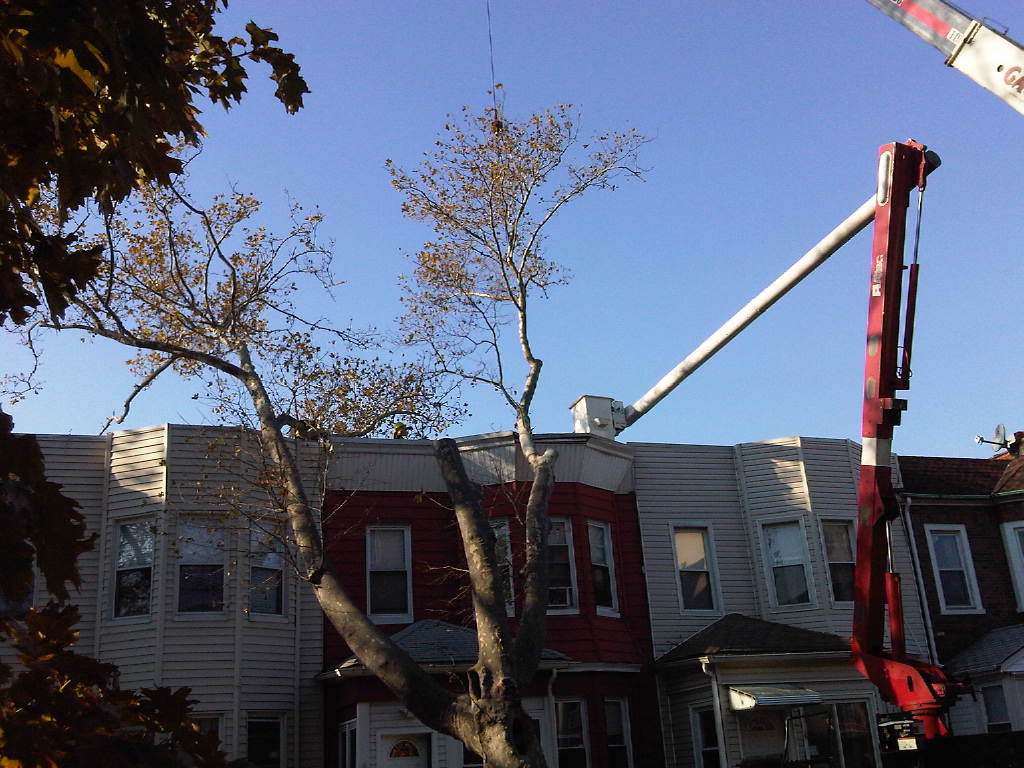
The City of Edmonton faces an unprecedented financial challenge as severe summer weather expenses surpass traditional winter maintenance budgets. Municipal officials recently revealed that Edmonton storm cleanup costs will reach an estimated $20 million to $30 million. This follows a series of violent summer thunderstorms.
City Manager Eddie Robar confirmed summer storm damage outpaced winter control costs for the first time in his tenure. This developing fiscal situation highlights the growing financial toll of extreme weather on municipal infrastructure. Readers will learn how these rising costs impact local taxpayers, municipal services, and future climate adaptation strategies.
- Edmonton storm cleanup costs are projected to reach between $20 million and $30 million.
- Summer storm damage expenses have exceeded winter maintenance costs for the first time in recent history.
- The unprecedented deficit forces municipal leaders to re-evaluate infrastructure resilience and emergency contingency funds.
Why is Summer Weather Suddenly Costing More Than Winter?
Historically, winter snow removal dominated Edmonton’s seasonal maintenance budget. Cold weather operations require significant resources for plowing, salting, and sanding active roadways.
However, recent seasonal shifts have brought intense, localized severe weather events during the warmer months. These storms delivered torrential rain, damaging winds, and heavy hail across several neighbourhoods.
Consequently, the resulting debris, flooded infrastructure, and fallen trees required immediate, resource-intensive emergency responses.
How Does This Unprecedented Deficit Affect Municipal Operations?
Managing a sudden multi-million-dollar shortfall requires difficult administrative decisions. Typically, the city maintains stabilization reserves to absorb unexpected operational deficits.
However, the sheer scale of the summer damage strains these existing financial safety nets. City staff must now reallocate funds from other municipal programmes to cover the immediate cleanup bills.
As a result, some non-essential infrastructure projects may face delays.
What Do Experts Say About the Rising Financial Toll?
According to administrative reports, the sheer volume of canopy damage created immense pressure on local waste management. Tree debris removal alone required hundreds of extra contracted labour hours.
Furthermore, public works crews worked overtime to clear blocked drainage systems and restore safe transit pathways.
Residents can review the official City of Edmonton financial reporting guidelines to understand how emergency reserves are managed.
City Manager Eddie Robar noted that winter storms usually present the primary financial risk to the city. This sudden reversal indicates a shift in how municipalities must plan for seasonal emergencies.
The financial impact extends beyond simple debris removal. Heavy rainfall overwhelmed older drainage systems, causing localized flooding in low-lying areas.
This required immediate engineering assessments and emergency repairs to prevent structural failures. Additionally, local businesses suffered indirect losses due to temporary road closures and power outages.
How Does Emergency Tree and Canopy Management Impact the City?
The urban forest canopy took a devastating hit during the recent weather events. Thousands of mature trees across public parks and residential streets suffered severe damage.
This destruction created significant safety hazards, requiring immediate intervention from specialized arborists.
Consequently, the city had to expedite emergency contracts with private tree service companies. These external contracts quickly drained the municipal forestry budget.
Arborists worked around the clock to remove hanging branches and unstable trunks from public pathways. This massive effort highlighted the vulnerability of Edmonton’s aging urban forest to high-velocity winds.
What Long-Term Budgetary Adjustments Are Under Consideration?
City administrators must now present a revised financial plan to the city council. This plan will likely propose reallocating funds from deferred capital projects to cover the deficit.
However, delaying infrastructure improvements could lead to higher maintenance costs in the future.
Some council members suggest creating a dedicated extreme weather reserve fund. This fund would remain separate from standard winter maintenance accounts to ensure targeted financial protection.
Establishing such a reserve would require careful planning and potentially difficult trade-offs in other departments.
What Do These Rising Costs Mean for Edmonton Taxpayers?
In the long term, residents could see adjustments to municipal property tax rates to rebuild depleted reserve funds. Alternatively, city council may choose to adjust service levels in other departments to balance the ledger.
Moreover, the recurring nature of these storms suggests that emergency budgets must permanently increase. Taxpayers will likely demand better climate adaptation measures to protect public and private property.
Ultimately, municipal leaders must balance immediate recovery efforts with long-term infrastructure investments.
How Will Edmonton Adapt to Future Climate Challenges?
Urban planners are already advocating for more resilient infrastructure designs to mitigate future storm impacts. This includes upgrading stormwater management systems and reinforcing the urban forest canopy.
Additionally, upgrading emergency alert systems can help residents prepare for severe weather events. By investing in preventative measures now, the city hopes to reduce cleanup bills in future years.
However, these upgrades require substantial upfront capital, complicating current budget discussions.
Furthermore, municipal leaders are exploring partnerships with provincial and federal governments for disaster mitigation funding. Securing external grants could alleviate the pressure on local property owners.
Without collaborative funding, municipal governments face an uphill battle against escalating weather anomalies. Consequently, proactive planning must replace reactive spending to ensure long-term stability. The transition to a climate-resilient city remains a complex, expensive, and urgent priority for administration.


